
Planting
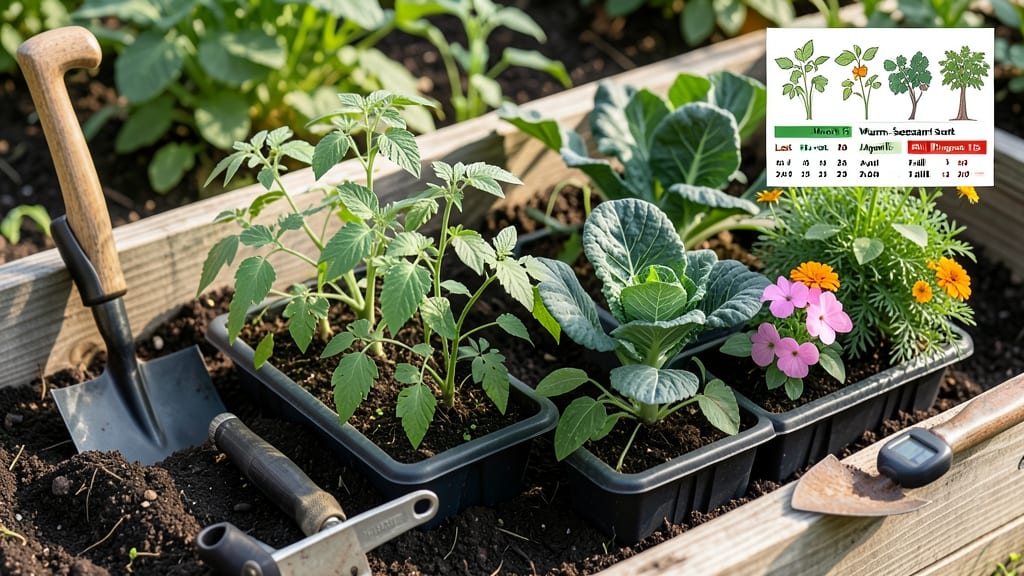
Planting a garden in South Carolina means timing your seeds and transplants to avoid frost and maximize your harvest—especially in zones 7b-8a, where a single misstep can turn your spring greens into a sad, shriveled mess.
South Carolina’s mild winters and long growing season make it a gardener’s paradise—but planting at the wrong time can mean wasted seeds and missed harvests. Timing is everything, and knowing your exact planting window by zone ensures your tomatoes, peppers, and greens thrive from seed to table.
Most gardeners in Zone 7b can start cool-season crops like broccoli and spinach as early as mid-March, while Zone 8a gardeners might wait until late February. Warm-season crops like okra and peppers, however, need to wait until soil temperatures hit 60°F—usually mid-April or later.
Below, I’ll break down the exact months to plant by crop, how to adjust for coastal humidity or Upstate frost, and even how to stretch your growing season with row covers. Ready to turn your 🌱 dreams into a bountiful harvest?
South Carolina planting zones & exact months for vegetables, flowers, and herbs
South Carolina spans USDA Hardiness Zones 7a-8b, giving gardeners a 215-day frost-free growing season—perfect for warm-season crops like tomatoes and peppers.
But timing is critical: Plant broccoli too early in Zone 7a, and frost will kill it; wait too long in Zone 8b, and your okra may bolt before harvest. Each zone has unique frost dates and soil temperature thresholds that dictate when to start seeds or transplant.
For Zone 7a (Upstate), the last frost typically hits March 15, while Zone 8b (Coastal) enjoys no frost until November 15. Soil temperatures must reach 60°F for warm-season crops (like peppers) and 40°F for cool-season crops (like kale).
Use a soil thermometer to avoid guessing—cool soil stunts growth, and hot soil can scorch seedlings.
Below is your zone-specific planting calendar, including exact months for vegetables, flowers, and herbs. Bookmark this for your spring and fall planting seasons!
In Zone 7a, start cool-season crops like lettuce and spinach indoors by February 15 to transplant outdoors by March 15. For warm-season crops, wait until soil temps hit 60°F—usually mid-April—before planting tomatoes or peppers. Use row covers to extend the season if frost threatens.
Zone 8b gardeners enjoy the longest growing season, allowing year-round planting for some crops. Start cool-season greens like kale as early as January, while warm-season crops like okra can be direct-sown by March 15. Take advantage of fall planting for broccoli and carrots—they thrive in cooler temps and can be harvested before frost.
For herbs, timing varies: Basil needs warm soil (65°F+) and should wait until April 15 in Zone 7a, while parsley and cilantro tolerate cooler temps and can start in February. Flowers like marigolds and zinnias are heat-tolerant and can be sown as early as March 1 in Zone 8b, but wait until April 15 in Zone 7a to avoid frost damage.
Pro tip: Use succession planting to maximize yields. In Zone 7b, sow bush beans every 2 weeks from April 15–June 1 for a continuous harvest. Similarly, lettuce can be sown every 3 weeks from February–October in Zone 8a to avoid bolting.
Monitor local frost alerts via the SC State Climate Office or apps like Old Farmer’s Almanac. Adjust planting dates by 1–2 weeks if your microclimate runs cooler (e.g., mountain areas) or warmer (e.g., coastal flats).
For example, Charleston (Zone 8b) can plant sweet potatoes by March 1, while Greenville (Zone 7a) should wait until April 15.
Remember: So
How to adjust planting times for South Carolina’s microclimates (coastal vs. Piedmont vs. Upstate)
South Carolina’s diverse microclimates create unique challenges for gardeners. The Coastal Plain (Zone 8a) enjoys milder winters, while the Piedmont (Zone 7b) faces hotter summers, and the Upstate (Zone 7a) battles earlier frosts.
Each region demands different planting strategies to maximize yields and avoid common pitfalls like bolting lettuce or frost-damaged tomatoes.
In Charleston’s humid coastal zone, I’ve learned to plant sweet potatoes as early as late March, while Upstate gardeners in Greenville must wait until mid-April to avoid frost.
The Piedmont’s intense summer heat also means starting okra and squash from seed indoors by March 1st to beat the rush of pests and heat stress.
Here’s how to adjust your planting schedule based on your region:
| Region | Key Climate Factors | Adjust Planting Times | Season Extension Tips | Regional Success Story |
|---|---|---|---|---|
| Coastal Plain (Zone 8a) | Humid, mild winters, long growing season | Start warm-season crops 2-3 weeks earlier (late Feb-March) | Use shade cloth for summer heat protection | Collards thrive year-round in Charleston |
| Piedmont (Zone 7b) | Hot summers, shorter frost-free season | Plant heat-lovers indoors by March 1st, transplant after May 15 | Install drip irrigation to conserve water | Okra yields 50% higher with early starts |
| Upstate (Zone 7a) | Cooler nights, earlier frosts | Wait until after May 1st for warm crops, use row covers | Build cold frames for fall/winter greens | Kale survives winter with protection |
The Coastal Plain allows me to grow peppers and eggplants year-round with minimal protection, while Upstate gardeners must treat these as annuals. In the Piedmont, I’ve found that mulching with straw keeps soil temps stable for tomatoes during our brutal July heat waves.
My biggest mistake? Planting sweet potatoes too early in Zone 7a—always wait until soil reaches 70°F or use black plastic mulch to warm the ground. For coastal gardeners, row covers extend the growing season by 4-6 weeks in both spring and fall.
Regardless of your zone, always check soil temperatures with a probe—cool-season crops like broccoli need 40-50°F soil, while warm-season cucumbers require 70°F+. Local extension offices provide frost date averages—use them to plan your succession plantings.
By tailoring your schedule to your microclimate, you’ll enjoy bumper crops of collards, okra, and tomatoes—no matter where in South Carolina you garden. 🌱