
Planting
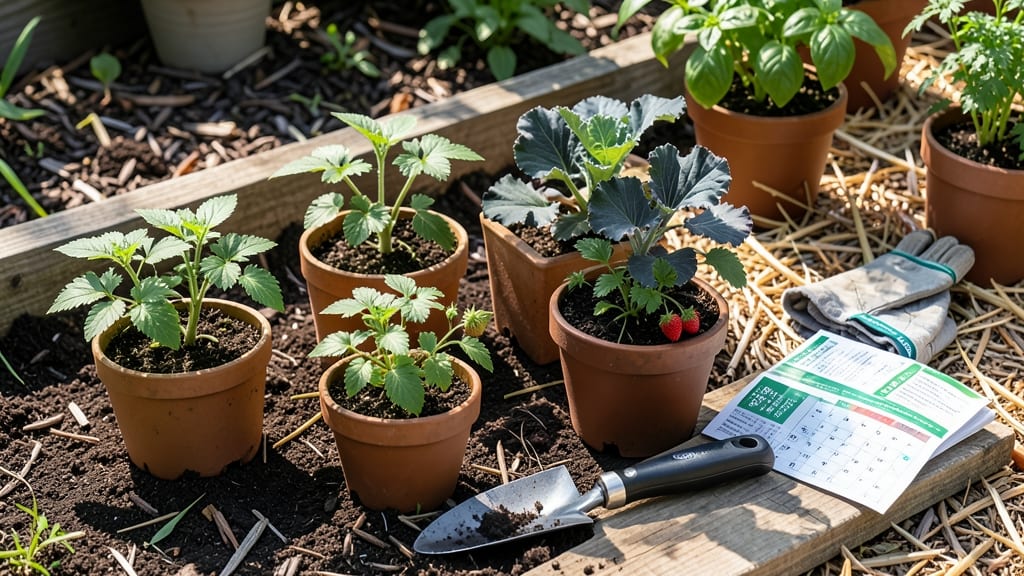
To plant a garden in New Brunswick, aim for early May after the last frost — missing this window can leave your 🌱 seedlings struggling or your warm-weather crops stunted.
Timing your garden planting in New Brunswick can mean the difference between a thriving harvest and wasted seeds. The province’s varied climate, from coastal Saint John to inland Fredericton, means frost-free dates shift by weeks, and a late cold snap can set back even the most careful gardener.
Whether you’re sowing hardy greens in April or waiting for soil to warm for tomatoes, knowing your local frost dates is the key. Below, I break down the ideal planting schedule by crop type, plus how to adjust when Mother Nature throws a curveball.
You’ll learn how to prepare your soil, when to start seeds indoors, and which plants thrive in New Brunswick’s shorter growing season — so you can enjoy a bountiful harvest from spring to fall.
New Brunswick frost-free dates by region: when to start planting
New Brunswick's frost-free dates vary dramatically across regions, making precise timing essential for your garden's success. Whether you're in Fredericton, Saint John, Moncton, or rural areas, understanding these dates helps you avoid frost damage to tender seedlings.
The province's climate—marked by cool springs and unpredictable late frosts—demands careful planning to maximize your growing season.
For most of New Brunswick, the average last frost date falls between mid-May and early June, but rural areas can experience frost as late as June 15th. Coastal regions like Saint John often warm up slightly earlier, while inland areas like Fredericton may face delays.
Historical data shows that 10-year averages can shift by up to two weeks due to climate variability, so always check local forecasts before planting.
Here’s a quick reference for the frost-free windows in New Brunswick’s key regions, along with planting adjustments for microclimates like south-facing slopes or sheltered valleys:
| Region | Avg. Last Frost | Avg. First Frost | Growing Season | Microclimate Tip |
|---|---|---|---|---|
| Fredericton | May 25 | October 10 | 138 days | Use row covers for early starts |
| Saint John | May 15 | October 15 | 153 days | Coastal warmth extends season |
| Moncton | May 20 | October 5 | 138 days | Urban heat islands warm soil faster |
| Rural Areas | June 1 | September 25 | 117 days | Plant near buildings for warmth |
In Fredericton, where the average last frost is May 25th, I recommend waiting until June 1st to plant warm-season crops like tomatoes and peppers. The city’s inland location means cooler nights, so use black plastic mulch to warm the soil faster.
For cool-season crops like peas and lettuce, you can start as early as late April under frost cloth.
Saint John’s coastal climate gives gardeners a head start, with an average last frost of May 15th. This region is ideal for early planting of heat-loving plants, but be cautious—late May frosts still occur about 1 in 5 years.
I’ve found that south-facing beds near the coast stay warmer longer, extending the season by up to two weeks.
Moncton’s urban heat island effect makes it one of the warmest spots in the province. The city’s concrete and pavement absorb heat, raising soil temperatures by 2-3°C compared to rural areas. This means you can plant tomatoes and cucumbers by May 25th without risking frost damage.
However, north-facing gardens in Moncton may still experience delays, so test soil temps with a soil thermometer.
Rural areas, especially in the Fundy Coastal Region, face the shortest growing seasons. With an average last frost of June 1st, I suggest focusing on fast-maturing varieties like bush beans or radishes.
If you’re determined to grow tomatoes, start them indoors in early April and transplant after June 10th. Cold frames can add 3-4 extra weeks to the season in these areas.
Microclimates play a huge role in New Brunswick gardening. A south-facing slope can warm up 1-2 weeks earlier than a flat field, while a low-lying area may hold frost longer.
I always scout my garden in late April to identify these spots—plant heat-lovers on slopes and cool-season crops in shaded valleys. Even a 5-foot difference in elevation can shift frost dates by 3-5 days.
For historical frost data, check Environment Canada’s climate normals for your specific location. In my Fredericton garden, I’ve seen late frosts as late as June 10th, so I always keep frost cloth on hand.
If you’re unsure, err on the side of caution—waiting one extra week for warm-season plants can save your entire crop from blackened leaves and stunted growth.
Pro tip:
Best planting schedule for New Brunswick gardens by vegetable type
New Brunswick's variable climate demands precise planting timing to protect tender crops from late frosts while maximizing harvests. Cool-season vegetables like kale and peas thrive in early spring or fall, while tomatoes and peppers need warm soil temperatures. Understanding these windows ensures your garden flourishes year-round.
For cool-season crops, start seeds indoors 6-8 weeks before your last frost date (typically late April to early May) or sow directly in early spring. Warm-season plants should wait until after the last frost (usually mid-May to early June) when soil temperatures reach 10°C (50°F).
Perennials like asparagus and strawberries have unique schedules requiring early planting.
Succession planting is key for continuous harvests. For example, sow lettuce every 2 weeks from April to July, then again in August for fall crops.
This technique extends your growing season and prevents gluts. Peas and radishes are perfect for quick succession—plant them every 10-14 days for a steady supply.
New Brunswick's short growing season makes fall planting crucial. Extend harvests by sowing spinach, kale, and carrots in late summer for late fall or early winter harvests. Use row covers to protect tender crops from early frosts, which can occur as early as mid-October in most regions.
For perennials, timing matters just as much. Plant asparagus crowns in early spring (April) for a 2-year establishment period before harvest. Strawberries thrive when planted in early spring or fall, with June-bearing varieties needing cool temperatures to set fruit. Mulch heavily to protect roots during winter.
Always check your local last frost date—Fredericton averages May 10, while coastal areas like Saint John may be 2-3 weeks earlier. Adjust your schedule accordingly, and don’t forget to harden off seedlings gradually before transplanting to avoid shock.