
Planting
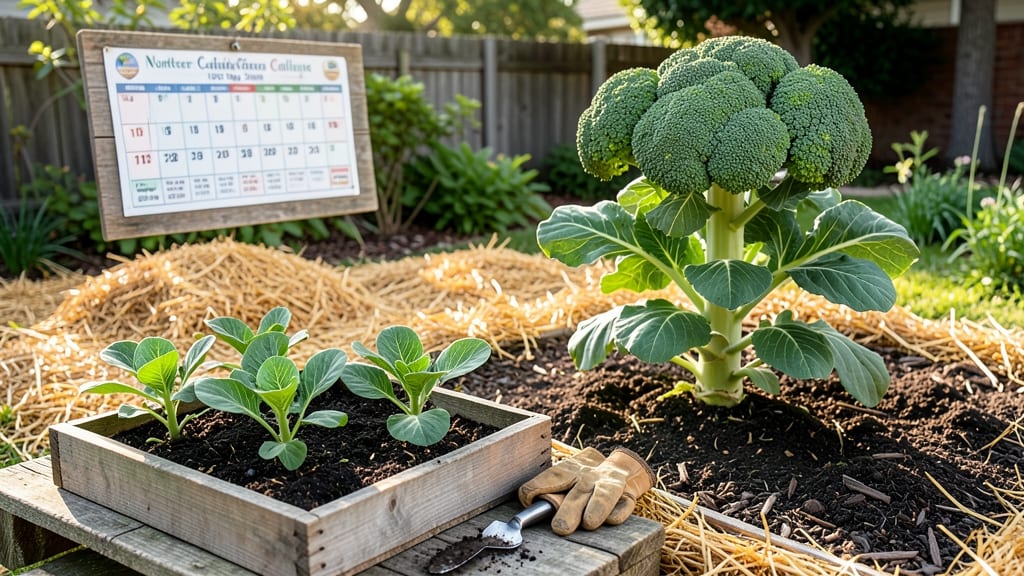
Planting a vegetable garden 🥕 in Northern California at the right time means the difference between a thriving harvest and a sad, wilted disappointment.
Northern California’s diverse microclimates mean your vegetable garden’s success hinges on planting at the perfect time—avoid early frosts in the Bay Area while capitalizing on Santa Cruz’s longer growing seasons.
Coastal areas like San Francisco (Zone 9b) can start cool-season crops like lettuce and spinach as early as January, while inland valleys like Sacramento (Zone 8a) should wait until February to avoid frost damage.
Below, I break down the exact frost-free timeline by zone, which crops to plant each month, and how to extend your growing season for continuous harvests—so you never miss a single opportunity to grow.
Northern California frost-free planting dates by USDA Zone (2024 guide)
Northern California’s microclimates create a gardener’s paradise—but also a challenge. The Bay Area (Zones 9a-9b) enjoys mild winters with rare frosts, while the Sacramento Valley (Zone 8a) faces earlier frost risks.
Coastal areas like Santa Cruz (Zone 9b) can grow year-round, but inland valleys need precise timing to avoid heatwave stress or early frost damage. Mastering these frost-free windows ensures your vegetable garden thrives.
Your planting success starts with knowing last spring frost and first fall frost dates. In Zone 7b (e.g., parts of Shasta County), the average last frost is March 15, while Zone 10a (coastal Mendocino) rarely sees frost.
Warm-season crops like tomatoes and peppers need soil temps above 60°F, while cool-season kale and carrots tolerate light frosts. Below, we break down planting windows by zone and region to help you align your garden with nature’s calendar.
| USDA Zone | Region Examples | Last Spring Frost | First Fall Frost | Cool-Season Planting | Warm-Season Planting |
|---|---|---|---|---|---|
| 7b | Sacramento Valley, Chico | March 15 | November 1 | Sept 1 - Oct 15 | April 15 - June 1 |
| 8a | San Francisco East Bay, Santa Rosa | March 1 | November 15 | Aug 15 - Sept 30 | March 20 - May 15 |
| 9a | San Francisco, Oakland, Napa | February 15 | December 1 (rare) | July 15 - Sept 15 | March 1 - April 30 |
| 9b | Santa Cruz, Monterey, Coastal Mendocino | January 31 | December 31 (rare) | June 15 - Aug 31 | February 15 - April 15 |
| 10a | Coastal Humboldt, Redwood Coast | January 15 | None (year-round) | May 1 - July 31 | January 15 - March 31 |
In Zone 7b, where frosts linger longer, prioritize cool-season crops like broccoli and spinach in early spring (February-March) and late summer (August-September). For warm-season crops, wait until April 15 to avoid soil-borne diseases from cold, wet soil.
In contrast, Zone 9b coastal gardens can plant tomatoes as early as February 15—just 6 weeks before the Bay Area’s last frost. This extended window lets you squeeze in two harvests of warm-season crops if you use succession planting.
Heatwaves complicate planting in inland areas like Sacramento Valley. After June 1, daytime temps often exceed 90°F, stressing leafy greens and root vegetables. Opt for heat-tolerant varieties like Malabar spinach or Swiss chard, and provide afternoon shade with row covers or shade cloth.
Coastal areas avoid this issue entirely—Santa Cruz’s Zone 9b allows year-round planting of kale, carrots, and peas with minimal frost risk.
Timing isn’t just about frost—it’s about soil temperature. Use a soil thermometer to confirm 60°F+ for tomatoes and peppers. In Zone 8a, this often means waiting until April 15 even if the air feels warm.
For cool-season crops, aim for 40-50°F soil temps—ideal for lettuce and radishes. Pro tip: Direct-sow peas and spin
Best vegetables to plant by month in Northern California (Zone-specific picks)
Northern California’s microclimates create a gardener’s paradise, but timing is everything. Coastal areas like Santa Cruz enjoy milder winters, while inland valleys such as Sacramento face hotter summers. To thrive, match your vegetable varieties to the right month—whether it’s cold-hardy kale in January or heat-loving okra by July.
For coastal regions (USDA Zone 9b), start cool-season crops like broccoli and peas as early as October, while inland areas (Zone 8a) should wait until February to avoid frost damage.
Warm-season plants like tomatoes and peppers need to wait until April-May for soil temperatures to rise above 60°F.
🌱 Monthly Planting Guide for Northern California
- January-February: Direct-sow spinach, peas, and lettuce in coastal areas. Inland gardeners should start seedlings indoors for broccoli and cabbage.
- March-April: Transplant cauliflower and Brussels sprouts after last frost. Direct-sow radishes and carrots for early harvests.
- May-June: Warm-season stars like tomatoes, peppers, and squash go in after soil warms. Use row covers for early cucumbers.
- July-August: Succession plant beans and zucchini for fall harvests. Heat-tolerant varieties like Malabar spinach thrive.
- September-October: Cool-season crops return—plant kale, garlic, and onions for winter harvests. Direct-sow lettuce under shade cloth.
- November-December: Hardy greens like kale and arugula grow well. Plant cover crops (e.g., clover) to protect soil.
In coastal Marin County, I’ve had success with heirloom tomatoes planted in late April under drip irrigation to avoid fungal issues. Meanwhile, Napa Valley’s hotter inland climate demands shade cloth for peppers during peak summer months.
For succession planting, try bush beans every 2 weeks from May to July. This ensures a steady harvest while avoiding overcrowding. Heat-resistant varieties like ‘Heatmaster’ tomatoes are my go-to for inland gardens.
Don’t forget fall planting! Garlic planted in October-November yields sweeter bulbs. Winter squash like butternut can also be direct-sown in late summer for a November harvest.
Pro tip: Use mulch to regulate soil temperature. Straw keeps roots cool in summer and warm in winter—perfect for Northern California’s unpredictable swings. 🌱