
Planting
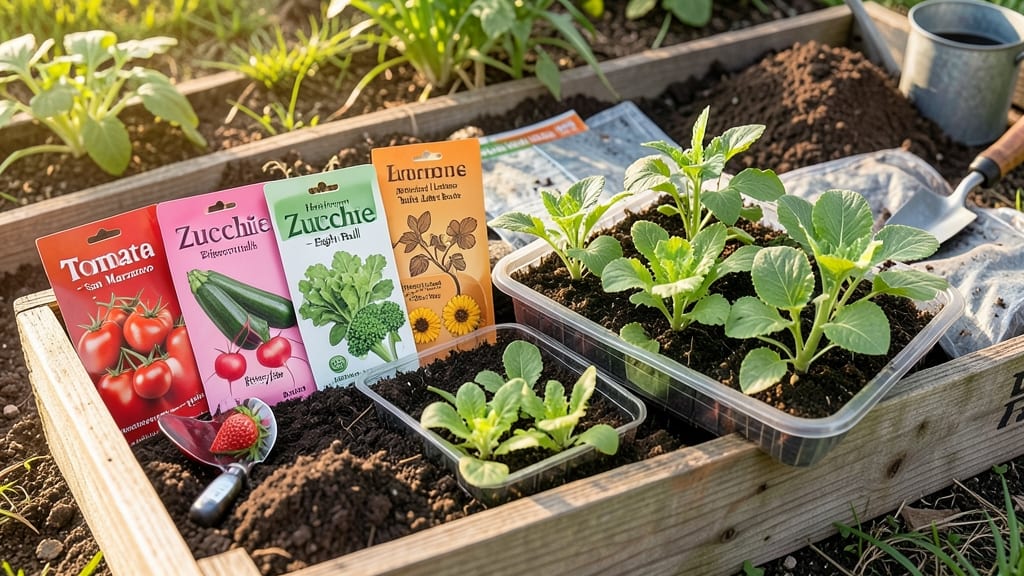
Planting your garden in Michigan at the right time means the difference between a bountiful harvest and a sad, frost-nipped failure.
Michigan’s unpredictable spring weather can turn a gardener’s excitement into frustration—planting too early risks frost damage, while waiting too long may shorten your growing season. But with the right timing, you can maximize yields and avoid common mistakes.
This guide breaks down the exact frost dates by region, so you know when to start seeds indoors, when to transplant tender crops, and how to adjust for late frosts or early heatwaves. No more guessing whether your soil is warm enough or if those seedlings are safe outside.
You’ll learn the step-by-step schedule for cool-season crops like lettuce and peas, warm-season favorites like tomatoes and peppers, and even how to stretch your harvest with succession planting. Let’s get your garden off to the best start possible!
Michigan frost dates by region: when to start planting vegetables
Michigan’s gardening success hinges on understanding last frost dates, which vary dramatically between the state’s Upper Peninsula (UP) and Lower Peninsula (LP). The USDA zones 5a-6b create a 3-4 week difference in planting windows—meaning a March start in southern Michigan could mean May planting in the UP.
These variations directly impact when you can safely plant cool-season crops like spinach or warm-season favorites like tomatoes.
For gardeners, knowing these dates isn’t just about avoiding frost damage—it’s about maximizing your growing season length. In Zone 6b (southern LP), you might enjoy a 180-day frost-free window, while Zone 5a (UP) gardeners typically see just 120 days.
This means early varieties or extended season techniques (like row covers) become essential in northern regions.
Here’s how Michigan’s frost dates break down by region, along with actionable advice for each zone:
These dates may seem rigid, but Michigan’s climate throws curveballs—late frosts in May or early warmth in March can shift your timeline. That’s why I recommend using a soil thermometer (aim for 50°F for cool-season crops and 60°F+ for warm-season plants) alongside frost dates.
For example, Zone 6b gardeners might plant peppers indoors in March but wait until soil hits 65°F before transplanting outdoors in May.
In the Upper Peninsula, where frost-free days are limited, focus on fast-maturing varieties (like bush beans or radishes) and succession planting. Meanwhile, southern Michigan gardeners can afford to experiment with longer-season crops like tomatoes or squash, which thrive in the extended growing window.
The key is aligning your planting calendar with both frost dates and soil conditions—not just the calendar month.
For cool-season crops (e.g., kale, carrots, peas), you can often start seeds 4–6 weeks before your last frost date.
In Zone 5a, that means early April sowings, while Zone 6b gardeners might begin in late March. Warm-season crops, however, demand patience—tomatoes and peppers should only go into the ground after the soil temperature consistently stays above 60°F, which can be mid-May in the UP but early May in southern LP.
Pro tip: Use frost-sensitive indicators like hydrangea blooms (when they open, frost risk drops significantly) or local weather station alerts to fine-tune your timing. I also recommend marking your planting deadlines on a
Best planting schedule for Michigan gardens: crop-specific timing
Michigan gardeners know timing is everything—especially when last frost dates can swing wildly between April 15 in southern Michigan and May 20 in the Upper Peninsula. The key to a bountiful harvest lies in matching each crop type to its ideal planting window.
Cool-season vegetables like lettuce and peas thrive when soil temps hover around 40°F, while tomatoes and peppers need 60°F+ to germinate. Let’s break down the exact weeks to plant your top 12 Michigan crops, plus succession planting secrets to keep your garden productive all season.
For cool-season crops, start in March–April—just as soon as soil is workable. These hardy plants can handle light frosts and even snow cover (yes, really!). Warm-season crops, on the other hand, demand patience: wait until after May 15 in most regions to avoid frost damage.
Pro tip: Use a soil thermometer—50°F is the magic number for many seeds to sprout reliably. Below, I’ve mapped out the critical deadlines for each crop, plus backup dates if spring drags its feet.
- Lettuce: March 15–April 15 (sow every 2 weeks for continuous harvest)
- Peas: April 1–April 30 (tolerates light frost)
- Spinach: March 20–April 10 (bolts in heat—plant early!)
- Onions: March 1–April 15 (start indoors for earlier harvests)
- Tomatoes: May 15–June 1 (plant after last frost; use row covers if needed)
- Peppers: May 20–June 10 (soil must be 60°F+)
- Beans: May 10–June 15 (direct-sow after soil warms)
- Cucumbers: May 25–June 5 (needs long, warm season)
- Every 2 weeks: Sow lettuce, radishes, beans for staggered harvests
- June–July: Plant fall crops (kale, carrots) for autumn harvests
- August: Direct-sow spinach, peas for early fall growth
- Tomatoes/peppers: June 15 (last chance in northern MI)
- Cucumbers/squash: June 10 (needs 90+ frost-free days)
- Broccoli/cabbage: July 1 (for fall harvests)
Let’s talk succession planting, my favorite trick for non-stop harvests. For example, if you plant lettuce every 2 weeks from March through July, you’ll enjoy fresh greens until first frost. The same goes for radishes (30-day harvest!) and bush beans.
Even warm-season crops like zucchini can be replanted in late June for a second flush of produce. Just mark your calendar: July 15 is the last call for most summer crops in Michigan’s Zone 5–6 regions.
Don’t let Michigan’s unpredictable weather derail your garden. If spring lingers (hello, late frosts!), opt for cold-hardy varieties like ‘Winterbor’ kale or ‘Sugar Snap’ peas. For warm-season crops, use row covers to buy time—just remove them when flowers appear to prevent heat stress.
And always check your local Almanac frost dates; they’re your best friend for regional adjustments. With this schedule, you’ll be harvesting tomatoes in July and kale in October, all while avoiding the heartbreak of frost-nipped seedlings.
Pro move: Keep a gardening journal to track your actual frost dates versus the Almanac predictions. Over time, you’ll refine your schedule—maybe you’ll find June 1 is safer for tomatoes in your area. Share your successes (and failures!) in the comments—I love hearing how Michigan gardeners adapt. Happy planting!