
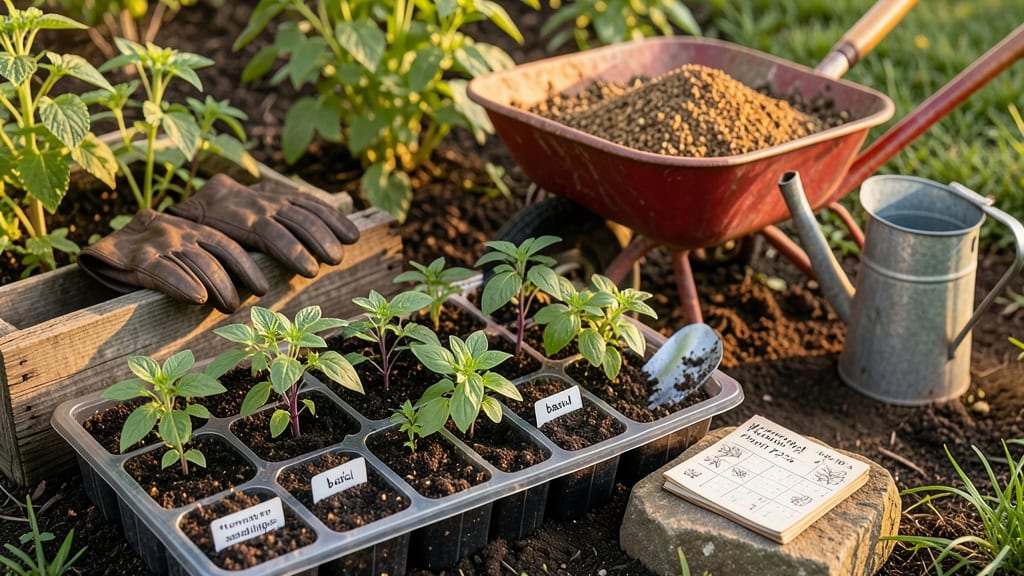
When to Plant a Garden in Kentucky: USDA Zone 6b Planting Calendar for Peak Yields

Planting

When to Plant a Garden in Kentucky: USDA Zone 6b Planting Calendar for Peak Yields

Planting a garden in Kentucky at the right time means the difference between a harvest of juicy tomatoes and sad, bolted seedlings.

Kentucky’s mild climate and fertile soil make it a gardener’s paradise—but timing your planting is everything. Get the schedule wrong, and your tomatoes could bolt before harvest or your cool-season crops might rot in the heat.

With USDA Zone 6a-7a frost dates averaging April 15 for spring and October 15 for fall, knowing when to start seeds indoors, transplant seedlings, and direct-sow is critical. A misstep can mean lost yields or wasted effort.

Below, I break down the exact planting calendar for Kentucky’s most popular vegetables, flowers, and perennials—plus pro tips to stretch your growing season and handle unpredictable weather. Ready to dig in?

🌱 When to Plant General Garden Garden
Jan ❄️
Feb 🌱
Mar 🌱
Apr 🌱
May 🌱
Jun 🌱
Jul ☀️
Aug ☀️
Sep 🍂
Oct 🍂
Nov 🍂
Dec ❄️
Ideal Time
Also Good

Kentucky planting calendar by season: exact dates for cool and warm-season vegetables

Kentucky’s USDA Zone 6b climate offers a 165-day growing season, but precise timing separates a thriving garden from a disappointing one. The average last frost date is April 15, while the first frost typically arrives October 15.

Southern Kentucky (like Bowling Green) enjoys 2-3 extra warm weeks, while northern regions (like Lexington) may face earlier frosts. Plan accordingly to avoid heat stress in warm-season crops or frost damage in cool-season varieties.

Cool-season vegetables like lettuce and broccoli thrive when soil temperatures stay below 75°F, while warm-season crops such as tomatoes and peppers need soil at 60°F+ to germinate. Below is your month-by-month planting guide, tailored to Kentucky’s unique conditions.

Adjust for your specific microclimate—urban areas may warm faster than rural spots, and elevation can delay frost dates by 1-2 weeks.

Pro Tip: Use row covers to extend cool-season planting by 2-3 weeks in spring or cold frames to overwinter greens like spinach and kale. For warm-season crops, wait until soil reaches 60°F+ (test with a soil thermometer) to ensure strong germination.

Plant Type Months to Plant Soil Temp Requirement Days to Harvest Notes for Kentucky
Cool-Season Vegetables March-April, August-September 45-75°F 30-90 days Plant lettuce and spinach 4-6 weeks before last frost. Use row covers for fall planting.
Warm-Season Vegetables May-June, July (succession) 60°F+ 50-120 days Wait until soil warms to 60°F+ for tomatoes and peppers. Southern KY can plant 2 weeks earlier.
Broccoli March-April, August 50-70°F 60-90 days Avoid planting in hot summer—bolts quickly. Use shade cloth if late-summer planting.
Tomatoes May-June (after frost) 60°F+ 70-90 days Northern KY: Start indoors in April. Southern KY: Direct sow mid-April with row covers.
Peppers May-June 65°F+ 60-90 days Slow to germinate—use heat mats if soil is below 70°F. Southern KY can plant early May.
Green Beans May-June, July (succession) 55°F+ 50-60 days Plant in succession every 2 weeks for continuous harvest. Tolerates light frost if young.
Radishes March-April, August-September 40-70°F 25-30 days Fast-growing—ideal for fall gardens. Harvest before they get <

How to adjust your planting schedule for Kentucky’s microclimates and unpredictable weather

Kentucky’s weather can shift faster than a summer thunderstorm, leaving gardeners scrambling when late frosts or early heatwaves disrupt planting plans. The key to success? Flexibility. Northern Kentucky’s cooler microclimates (like Lexington) often experience 2-3 weeks later last frosts than southern regions (like Bowling Green).

Even within USDA Zone 6b, your backyard’s microclimate—near a hill, by a lake, or in a city heat pocket—can push planting windows by 10-14 days.

I’ve learned the hard way that sticking to a rigid calendar means risking wilted seedlings or bolting greens. Instead, layer your planting strategy with season extenders, backup crops, and weather-ready adjustments. Here’s how to turn Kentucky’s unpredictability into your garden’s advantage.

⚠️ Late Frost Risk in Kentucky

Northern Kentucky (e.g., Louisville) averages a last frost by April 15, but 30% of years see frost as late as May 5.

Southern Kentucky (e.g., Paducah) is safer by April 1, but heatwaves can hit by June 1. Pro Tip: Use frost-sensitive plants like tomatoes and peppers only after May 15 in the north, or risk losing your crop.

Start with row covers to protect early plantings. These lightweight fabrics raise soil temperatures by 5-8°F and shield seedlings from light frosts down to 25°F. I use them for spinach, kale, and broccoli planted in late March—extending my harvest window by 3-4 weeks.

For even earlier starts, pair row covers with cold frames or mini greenhouses. These can push soil temps into the 60s°F range, letting you sow cold-hardy crops like peas and lettuce as early as February.

Heat-sensitive crops? Switch to container gardening. Pots on wheels let you move tomatoes, peppers, and eggplants to shade or cooler spots during 90°F+ days. I’ve kept basil thriving through July heatwaves by placing its container in the morning sun and moving it to afternoon shade.

Containers also let you stagger plantings—sow a few seeds every 2 weeks to ensure a continuous harvest.

Don’t forget backup planting strategies for when weather throws you a curveball. If a late frost wipes out your cucumber starts, replant with bush beans or radishes, which mature in 30-40 days.

For early heatwaves, swap out bolting lettuce for swiss chard or kale, which handle heat better. Keep a seedling emergency kit with fast-germinating seeds (like radishes or bush beans) ready to replant.

Monitor your local microclimate by tracking soil temperature—aim for 40°F for cool crops and 60°F+ for warm-season plants. Use a soil thermometer or check online Kentucky Mesonet data for real-time updates.

In my Louisville garden, I’ve seen 10°F soil temp swings in 24 hours during spring transitions. Adjust your schedule based on actual conditions, not just the calendar.

With these adjustments, you’ll turn Kentucky’s unpredictable weather into your garden’s superpower. Test your row covers, cold frames, and container setups this season—and watch your harvests thrive even when Mother Nature throws a wrench into the plan. 🌱

★★★★★5.0(6 reviews)
Categories Planting