
Planting
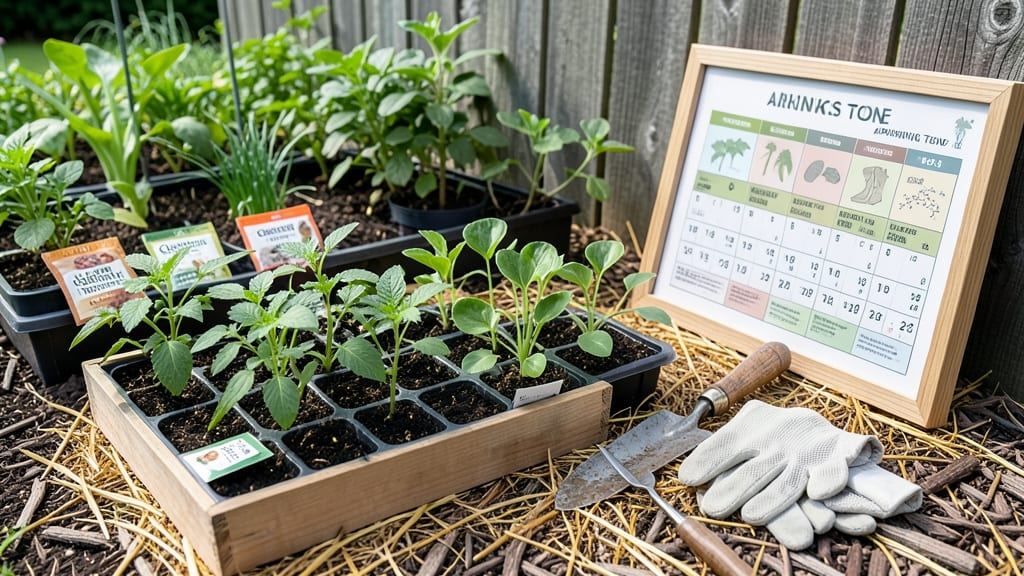
Planting a garden in Arkansas at the right time means the difference between a bountiful harvest and wasted effort—especially with frost dates shifting by region.
Arkansas gardeners know timing is everything—plant too early and risk frost damage, too late and miss peak harvests. But with the state’s diverse climate zones, figuring out the exact best planting windows can be tricky.
Whether you’re in the Delta’s warmer lowlands or the Ozarks’ cooler highlands, the key is aligning your schedule with local frost-free dates, soil warmth, and microclimates that can push your harvest by weeks.
Here’s your step-by-step guide to planting for maximum yields, from cool-season greens to sun-loving tomatoes, tailored to Arkansas’s unique growing seasons.
Arkansas frost-free dates by region: key planting windows for vegetables, flowers & herbs
Arkansas spans five USDA hardiness zones (6a-8a), meaning your last frost date can vary by 3-4 weeks depending on where you live.
In the Ozark Mountains (Zone 6a), gardeners typically see their last frost around April 15th, while the Arkansas Delta (Zone 8a) often warms up by March 1st. These differences dramatically impact when you should plant cool-season crops like spinach versus warm-season staples like tomatoes.
Understanding these regional variations helps you avoid frost damage to tender seedlings and ensures you plant warm-loving crops only after soil temperatures reach their minimum thresholds.
For example, peppers and eggplants need soil at 70°F+, which may not happen until mid-April in the north but could be ready by late February in the south. Let’s break down the optimal planting windows for each zone.
Pro Tip: Use a soil thermometer to confirm readiness—tomatoes and cucumbers won’t thrive in cold soil, even if air temperatures seem warm. Arkansas Extension Service recommends waiting until soil hits 60°F for tomatoes and 65°F for peppers.