
Planting
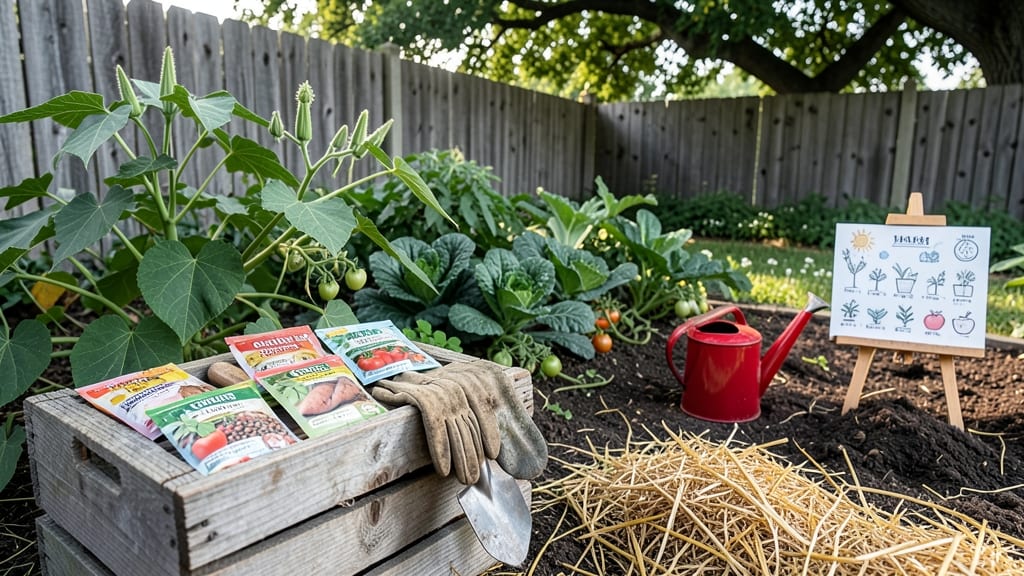
To plant a garden in Arkansas at the right time means catching the sweet spot between frost and heat—late winter to early spring for most zones, with year-round flexibility in the warmest areas.
Picture this: you’ve prepped your soil, ordered seeds, and even marked your beds—only to wake up to a late frost that turns your tender seedlings into sad, wilted souvenirs. Or worse, you plant too late and watch your tomatoes bolt before they ripen.
Arkansas’s diverse USDA zones (6b-8a) mean the "perfect" window shifts from Little Rock’s chilly March to Texarkana’s balmy February, and getting it wrong costs you months of missed harvests.
Here’s the good news: with a few simple adjustments—like knowing your last frost date, choosing the right crops for your microclimate, and timing succession plantings—you can turn Arkansas’s unpredictable weather into an advantage.
Whether you’re growing heat-loving peppers or cool-season greens, the key is planting when the soil is warm enough and the forecast cooperates.
Below, I’ll break down the exact zone-by-zone schedule for Arkansas, plus pro tips to handle frost, heat waves, and everything in between. No more guessing—just peak yields and a garden that thrives all season long.
Arkansas planting schedule by USDA zone (6b-8a) for maximum yields
Arkansas spans USDA zones 6b through 8a, giving gardeners a unique advantage: you can grow everything from frost-hardy kale to heat-loving okra. But without precise timing, even the hardiest plants struggle.
The key lies in understanding your frost-free dates—Little Rock averages March 15, while Texarkana often sees its last frost by February 15. These dates separate cool-season winners (like broccoli) from warm-season stars (like peppers).
For Zone 6b (northern Arkansas), start cool-season crops like spinach and peas in early March, while Zone 8a (southern Arkansas) can plant tomatoes and cucumbers as early as February.
The difference? 100+ frost-free days in the north vs. 240+ in the south. This means southern gardeners can even try year-round herbs like basil with proper protection.
Here’s your zone-specific planting roadmap, including frost dates, ideal windows, and Arkansas-specific tips to avoid common mistakes like bolting lettuce or stunted tomatoes.
| Plant Type | Zone 6b (North) | Zone 7a (Central) | Zone 8a (South) | Notes |
|---|---|---|---|---|
| Cool-Season Crops (Lettuce, Broccoli, Peas) | Feb 15 - Mar 15 Last frost: Mar 15 |
Feb 1 - Mar 1 Last frost: Mar 1 |
Jan 15 - Feb 15 Last frost: Jan 15 |
Plant 4-6 weeks before last frost. Use row covers for early starts. |
| Warm-Season Crops (Tomatoes, Peppers, Okra) | Apr 15 - May 1 Soil temp: 60°F+ |
Mar 20 - Apr 15 Soil temp: 60°F+ |
Feb 1 - Mar 1 Soil temp: 60°F+ |
Wait until soil warms to 60°F. Use black plastic mulch to speed warming. |
| Year-Round Herbs (Basil, Cilantro, Parsley) | Mar 1 - Oct 15 Protect from frost |
Feb 15 - Nov 1 Container-friendly |
Year-round Use greenhouses |
Basil thrives in heat; cilantro bolts fast—sow every 3 weeks. |
| Fall Plantings (Kale, Carrots, Radishes) | Jul 15 - Aug 15 First frost: Nov 15 |
Jul 1 - Aug 1 First frost: Nov 1 |
Jun 15 - Jul 15 First frost: Dec 1 |
Plant 90 days before first frost. Radishes mature in 30 days—perfect for quick harvests. |
| Perennials (Asparagus, Rhubarb, Strawberries) | Mar 1 - Apr 15 Establish roots |
Feb 15 - Mar 15 Establish roots |
Jan 1 - Feb 15 Establish roots |
Asparagus takes 2-3 years to harvest; plant crowns in early spring. |
For Zone 6b gardeners in Fort Smith, focus on early spring plantings like cabbage (sow by February 28) and late summer crops such as sweet potatoes, which thrive in Arkansas’s hot, humid summers. In Zone 8a (e.g., Texark
How to adjust planting dates for Arkansas' unpredictable weather patterns
Arkansas' weather can throw even the most experienced gardeners off schedule. Late frosts in April and early heat waves in May are common, making it critical to stay flexible. The key is using soil temperature as your guide—not just calendar dates.
A soil thermometer ($10 at garden centers) reveals when the ground is truly ready for seeds, often weeks before air temperatures suggest.
I learned this lesson the hard way when my tomato seedlings wilted after a surprise 30°F frost in early April. Since then, I’ve relied on succession planting and microclimate adjustments to protect my garden.
For example, raised beds warm up faster than in-ground soil, giving me a 2-3 week head start on planting warm-season crops like peppers and squash.
- 1 Use a soil thermometer—plant cool-season crops when soil hits 40°F and warm-season crops at 60°F+.
- 2 Stagger plantings every 2 weeks for lettuce, beans, or carrots to extend harvests and hedge against weather surprises.
- 3 Choose microclimates wisely: South-facing beds warm faster; raised beds dry out less; and low spots retain frost longer.
- 4 Monitor local forecasts for frost warnings and use row covers or cloches to protect tender seedlings.
- 5 Plant heat-loving crops like okra or sweet potatoes after Memorial Day when soil stays consistently above 70°F.
One of my biggest adjustments was switching to succession planting for leafy greens. Instead of sowing all my spinach at once in March, I plant half in February (under row covers) and the rest in April.
This ensures a steady harvest even if one batch gets hit by late frost or bolting heat. For warm-season crops, I now plant peppers in both May and June—if the first batch struggles with unseasonable cold, the second has a backup.
Don’t overlook microclimates in your yard. A south-facing slope might be 5–10°F warmer than a shaded north side, letting you plant tomatoes there 1–2 weeks earlier. I also use black plastic mulch in raised beds to accelerate soil warming by 10–15°F compared to bare ground.
For frost-prone areas, low tunnels (DIY with PVC pipes and row covers) can add 4–8°F of protection.
If you’re new to Arkansas gardening, start with cold-hardy crops like kale, peas, and radishes—they tolerate 30°F and give you confidence as you learn your local patterns. For warm-season crops, wait until the average nighttime temperature stays above 55°F (check your USDA zone for exact dates).
And always keep a garden journal to track what works each year!
Remember: Arkansas’ unpredictable weather isn’t a curse—it’s a challenge to get creative. By combining soil temperature data, succession planting, and microclimate smarts, you’ll turn those late frosts and early heat waves into opportunities for a longer, more resilient harvest. 🌱