
Planting
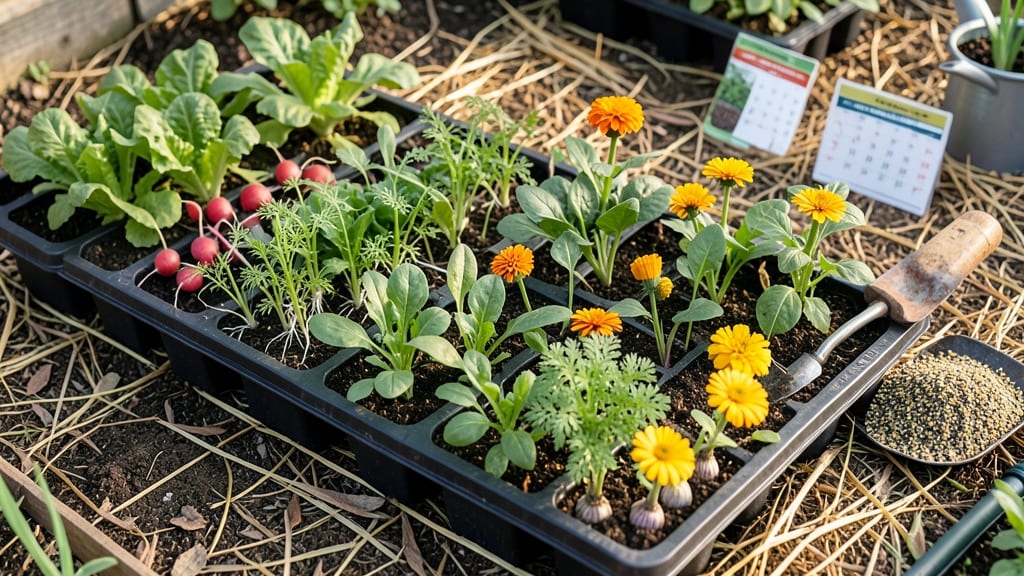
Planting your garden in Zone 7 at the right time means the difference between a thriving harvest and a disappointing one—getting the timing wrong can leave even the hardiest General Garden Plants 🌱 struggling to take root.
If you’ve ever watched your seedlings wilt in a late frost or seen your tomatoes bolt in the heat, you know how critical those week-by-week windows really are. The good news? With the exact schedule I’m about to share, you’ll never miss a planting opportunity again.
This guide breaks down the best times to start seeds and transplant everything from cool-season greens to warm-season favorites, using frost dates and soil temps as your guide. No more guesswork—just peak yields all season long.
Ready to transform your garden? Here’s how to time your plantings for the most successful harvests in Zone 7, whether you’re in the Piedmont or the Appalachians.
Zone 7 planting calendar: exact weeks to start seeds and transplant vegetables
Mastering the Zone 7 planting schedule means aligning your garden with nature’s rhythm. In this region—spanning the Piedmont to the Appalachians—your last spring frost typically arrives around March 15, while the first fall frost hits November 15.
These dates create a 215-day growing season, perfect for both cool-season and warm-season crops if timed correctly.
Cool-season crops like broccoli, lettuce, and spinach thrive when planted 4-6 weeks before your last frost, while warm-season crops such as tomatoes, peppers, and cucumbers need soil temperatures of at least 60°F to germinate successfully. Below, you’ll find a precise week-by-week breakdown to maximize your harvest.
| Crop Type | Planting Window | Soil Temp Threshold | Seed Start Indoors | Transplant Outdoors | Harvest Time |
|---|---|---|---|---|---|
| Cool-Season Crops | Feb 15 - March 30 Aug 15 - Sept 30 |
40-50°F | 4-6 weeks before last frost | 2-4 weeks before last frost or 8-10 weeks before first frost |
Spring: April - June Fall: Sept - Nov |
| Broccoli | Feb 20 - March 15 Aug 1 - Aug 20 |
45°F | 6-8 weeks before transplant | March 1 - April 15 July 15 - Aug 30 |
Spring: May - June Fall: Oct - Nov |
| Lettuce | Feb 15 - April 1 July 15 - Aug 30 |
40°F | Not typically needed | March 1 - April 15 July 1 - Aug 15 |
Spring: April - May Fall: Sept - Oct |
| Spinach | Feb 15 - March 30 July 15 - Aug 30 |
40°F | Not typically needed | March 1 - April 15 July 1 - Aug 15 |
Spring: April - May Fall: Sept - Oct |
| Warm-Season Crops | March 30 - May 15 July 15 - Aug 15 |
60°F+ | 6-8 weeks before last frost | After last frost (April 15+) | Summer: June - Sept |
| Tomatoes | March 20 - April 30 July 1 - July 15 |
60°F+ | 6-8 weeks before transplant | April 15 - May 15 | Summer: June - Sept |
| Peppers | March 15 - April 15 July 1 - July 15 |
65°F+ | 8-10 weeks before transplant | April 30 - May 15 | Summer: July - Sept |
| Cucumbers | April 15 - May 15 July 1 - July 15 |
60°F+ | 3-4 weeks before transplant | May 1 - May 15 | Summer: June - Sept |
For cool-season crops, begin sowing seeds indoors 4-6 weeks before your last frost date (around February 15) to give seedlings a head start. Transplant them outdoors 2-4 weeks before the last frost (typically March 1) to ensure they establish roots before warmer weather arrives.
In fall, repeat the process 8-10 weeks before the first frost (around August 15) for a second harvest.
Warm-season crops like tomatoes and peppers are more sensitive to cold, so wait until the soil temperature reaches at least 60°F (usually mid-April) to transplant them outdoors.
Start seeds indoors 6-10 weeks before the last frost (around March 15) to ensure they’re ready for transplanting by April 15. For a late summer harvest, you can also sow some warm-season crops in early July.
Pro tip: Use a soil thermometer to check temperatures before planting. Cool-season crops can handle 40-50°F soil, while warm-season crops need 60°F+ for optimal germination. If your soil is too cold, wait a few more days or use black plastic mulch to warm it up faster.
Don’t forget about succ
How to adjust your planting schedule for early, mid, and late season success
Zone 7 gardeners have a unique advantage—our 215 frost-free days let us grow more than most regions. But even here, planting too early or late can mean lost harvests.
The key? Adjusting your schedule for early, mid, and late season success by using succession planting, frost protection, and season-extending tools. Let’s break down how to maximize your growing window without common mistakes.
Many gardeners make the mistake of planting warm-season crops like tomatoes and peppers too early when soil temps are still cool. Others miss the fall window for cool-season crops like kale and carrots. The solution? Strategic adjustments based on your microclimate.
For example, urban heat islands may allow earlier planting, while shady spots might delay it. We’ll cover how to fine-tune your schedule for your specific conditions.
One of my favorite tricks for early season success is using row covers or low tunnels to create a microclimate. These tools can raise soil temps by 5-10°F, allowing you to plant warm-season crops 2-3 weeks earlier.
For example, I’ve successfully transplanted tomato seedlings in early April under a floating row cover without frost damage. Just remove the cover when flowers appear to prevent heat stress.
For late-season harvests, succession planting is a game-changer. Instead of planting all your lettuce or spinach at once, sow small batches every 2 weeks from March through September. This ensures a continuous harvest and prevents bolting (when plants flower prematurely due to heat).
Pair this with frost-tolerant varieties like ‘Winter Density’ kale or ‘Rainbow Mix’ carrots for fall and winter yields.
Don’t forget about cold frames—these simple structures can extend your harvest window by months. Place them over cool-season crops in early fall to protect from light frosts.
I’ve kept spinach and radishes growing until mid-November using a DIY cold frame made from wood and plastic sheeting. Just ensure good ventilation to prevent overheating during sunny days.
Finally, monitor your local microclimate. A south-facing bed warms up faster than a north-facing one, and urban areas can be 5-10°F warmer than rural spots. Use a soil thermometer to check temps before planting—warm-season crops need 60°F+, while cool-season crops tolerate 40-50°F.
With these adjustments, you’ll avoid wasted effort and maximize your Zone 7 growing potential. 🌱