
Picking
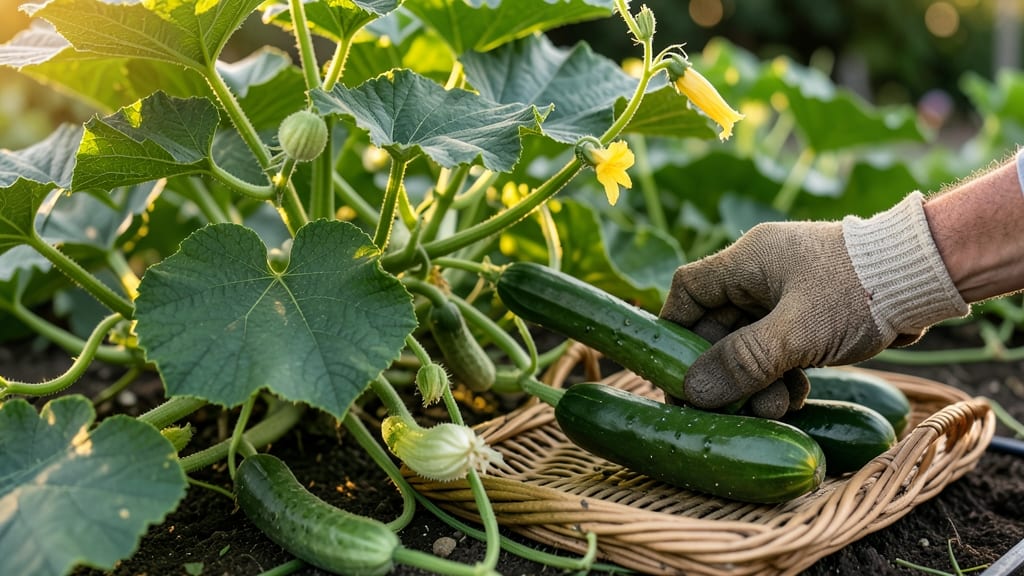
To pick cucumbers from your garden at the perfect moment means crisp, flavorful fruit instead of bitter, seedy disappointments.
I’ve watched 🥒 cucumbers go from perfect to overripe in a single day—leaving me with a pile of sad, mealy veggies that tasted like regret. The key?
Timing. Harvest too early, and you’re left with small, underdeveloped fruit. Wait too long, and the flavor turns sour, the seeds harden, and the texture goes mushy.
Below, I’ll show you exactly how to spot the ideal moment to pick—whether it’s by size, color, or even the way the stem snaps. You’ll also learn how often to harvest for maximum yield and the best time of day to avoid common mistakes that ruin flavor.
Ready to turn your cucumber patch into a flavor-packed harvest? Let’s get started.


How to determine cucumber ripeness by size and color
Harvesting cucumbers at the right moment transforms your garden into a flavor factory. The key lies in understanding size, color, and texture cues that signal peak ripeness. Different varieties—like slicing cucumbers or pickling cucumbers—have unique timing needs, so let’s break it down for perfect harvests every time.
Most gardeners focus on green cucumbers, but color isn’t the only clue. A cucumber’s stem end and skin firmness also reveal its readiness. For example, slicing varieties like 'Straight Eight' should be harvested when they reach 6–8 inches and develop a deep, glossy green hue.
Meanwhile, pickling cucumbers like 'Boston Pickling' are best picked smaller, at 2–3 inches.
🌱 Summary Table: When to Pick Cucumbers from Garden
| Variety Type | Ideal Size | Color Cues | Texture Test | Stem End |
|---|---|---|---|---|
| Slicing (e.g., 'Straight Eight') | 6–8 inches | Deep green, glossy | Firm but yields slightly | Yellowing |
| Pickling (e.g., 'Boston Pickling') | 2–3 inches | Bright green, uniform | Very firm, no give | Green, hard |
| Yellow (e.g., 'Lemon Cucumber') | 4–6 inches | Pale yellow, matte | Soft, slightly wrinkled | Brown/dry |
| White (e.g., 'White Wonder') | 5–7 inches | White, creamy | Firm, smooth | Yellowing |
Color variations extend beyond green. Yellow cucumbers like 'Lemon Cucumber' ripen when they turn pale yellow and develop a slightly wrinkled skin. These varieties are sweeter and perfect for salads or garnishes.
Meanwhile, white cucumbers like 'White Wonder' should be harvested when they reach 5–7 inches and exhibit a creamy white hue with no green streaks.
Don’t overlook the texture test: press your thumbnail gently into the cucumber’s skin. If it leaves a slight dent but doesn’t bruise, it’s ready. A cucumber that’s too firm is underripe, while one that’s overly soft may be past its prime.
For pickling cucumbers, aim for maximum firmness—they should feel almost rock-hard when pressed.
Watch the stem end for subtle clues. A yellowing or brown stem end indicates the cucumber is nearing peak ripeness. If the stem end remains green and hard, the cucumber needs more time.
For vining varieties, this cue is especially important, as overripe cucumbers can stress the plant and reduce future yields.
Environmental factors like heat stress or watering inconsistencies can alter ripening cues. In hot climates, cucumbers may ripen faster, so check them every 2–3 days. Conversely, cooler weather slows ripening, so monitor plants more frequently during temperature swings. Always harvest in the morning when cucumbers are coolest and crispest.
Pro tip: Harvest regularly to encourage continuous production. When you pick one cucumber, the plant often responds by flowering and setting new fruit. This trick works especially well for bush varieties, which produce fruit more densely than vining types.
Ignoring ripe cucumbers can lead to bitter, seedy disappointments—so stay vigilant!
For heirloom varieties, always check the seed packet or plant tag for specific ripening guidelines. Some, like 'Armenian Cucumbers,' can grow up to 12 inches before reaching ideal flavor.
Others, such as 'Corinto,' are tiny and crisp at just 3 inches. Tailoring your approach to the variety ensures you never miss the sweet spot.
Remember, the goal is crisp, flavorful cucumbers straight from your garden. By mastering these size, color, and texture cues, you’ll transform your harvest from mediocre to magnificent—every single time. Happy picking! 🥒
Common mistakes that ruin cucumber flavor (and how to avoid them)
Even the most attentive gardeners can end up with bitter, seedy cucumbers if they ignore subtle signals from their plants. The key to peak flavor lies in understanding when cucumbers are truly ready—and when they’ve passed their prime.
I’ve learned the hard way that overripe harvesting or ignoring plant stress can turn your garden’s best intentions into disappointing bites.
One of the biggest mistakes is waiting too long to harvest. Cucumbers continue to grow and develop seeds and bitterness once they reach maturity. If you’re harvesting yellowing cucumbers or ones with soft spots, you’ve likely missed the window for crisp, sweet flavor.
Even a 24-hour delay can make a difference in texture and taste.
⚠️ ⚠️ callout-warning ⚠️
🚨 When to Pick Cucumbers: The Critical Window
Harvest cucumbers when they reach 6–8 inches for slicing varieties or 3–5 inches for pickling types. The stem end should start yellowing, and the skin should yield slightly when pressed with a thumbnail. If you wait until cucumbers detach easily from the vine, they’ve likely become overripe and bitter.
💡 Pro Tip: Check cucumbers every 2–3 days during peak production to avoid missing the perfect harvest moment.
Another common pitfall is overwatering or underwatering, both of which stress plants and reduce flavor. Cucumbers need consistent moisture, but soggy soil leads to blossom-end rot, while drought causes bitter, tough fruit.
I’ve found that morning watering (before 10 AM) keeps plants hydrated without inviting fungal diseases like powdery mildew.
Pay attention to your plant’s flower signals. If cucumbers drop off before ripening or flowers fail to set fruit, your plant might be heat-stressed or nutrient-deficient.
In hot climates, cucumbers often stop producing when temperatures exceed 90°F (32°C). Providing shade cloth or mulching can help maintain steady yields during heatwaves.
Finally, harvesting at the wrong time of day can affect flavor. Cucumbers picked in the early morning are crispest because they’ve had a full night to hydrate. Evening harvests often yield softer, less flavorful produce.
I now make it a habit to grab my basket first thing in the morning to ensure the best quality.
By avoiding these mistakes—harvesting at the right size, monitoring plant signals, and maintaining ideal growing conditions—you’ll enjoy cucumbers that are crisp, sweet, and bursting with flavor all season long. 🥒