
Fertilization
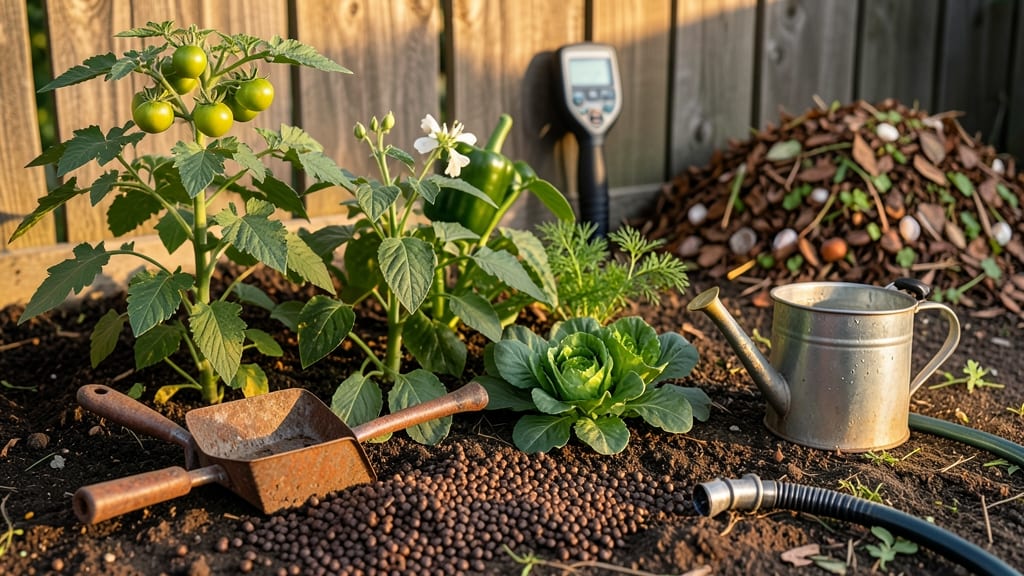
Fertilizing your vegetable garden at the right time means the difference between bountiful harvests and struggling plants 🥬 — and missing the window can cost you the whole season.
Most gardeners rush to feed their veggies as soon as they sprout, only to watch their tomatoes flower but never fruit or their greens bolt into seed. The secret? Timing your fertilizer applications to match your plants' growth stages — not just when you think they need it.
In this guide, you’ll learn the exact spring and fall windows to fertilize for maximum growth, how to read your soil’s hunger signals, and which crops actually hate extra nutrients. We’ll also cover organic vs. synthetic timing tricks that save you money and keep your garden thriving.
Skip the guesswork and discover how a little planning now can mean double the harvest next year — plus how to fix over-fertilized plants before it’s too late.
Spring fertilization schedule for fast vegetable growth
Spring is the make-or-break season for your vegetable garden's success. The first 6 weeks after planting determine whether your plants grow lush or struggle—yet many gardeners miss the critical fertilization windows that unlock explosive yields.
I’ve learned the hard way that timing matters more than the fertilizer itself, especially when balancing organic and synthetic options.
Your soil’s nutrient reserves deplete over winter, leaving spring plants hungry. A pre-planting soil test (available for $10-$20 at local extension offices) reveals what’s missing—usually nitrogen for leafy greens or phosphorus for root crops.
I always test mine in early March to adjust my plan. Without this step, you might over-fertilize with nitrogen, causing leafy growth at the expense of fruit production.
🌱 Key Insight: Fast-growing crops like lettuce and spinach need light, frequent feedings, while tomatoes and peppers thrive with slow-release nutrients. The mistake I see most often? Treating all veggies the same. Your broccoli and carrots have entirely different hunger schedules.
Organic fertilizers like compost and manure teas release nutrients slowly, making them ideal for pre-planting (apply 4-6 weeks before sowing). I swear by worm castings for seedlings—they’re gentle but packed with microbes that jumpstart root growth.
For synthetic fertilizers, I use quick-release options (like 20-20-20) only during active growth phases, never at planting.
Watch for these starvation signs: Yellowing leaves (nitrogen deficiency), purple stems (phosphorus lack), or weak stems (potassium shortage). Last year, my peppers
Fall fertilization secrets for next year’s harvest
Fall fertilization might seem counterintuitive—after all, most veggies are winding down for winter. But this late-season feeding is actually a game-changer for next year’s harvest. By focusing on root development and soil health now, you’re building a fertility bank that will fuel spring growth before you even plant.
Think of it as a nutrient deposit in your soil’s savings account.
The key is timing: aim for 6-8 weeks before your first frost, typically September-October in most climates. This window lets plants absorb nutrients without triggering excessive late-season growth that could be damaged by cold.
For example, broccoli and kale planted in fall will benefit from this head start, while tomatoes and peppers should skip fall feeding—they’re annuals that won’t survive winter anyway.
Fall Fertilization: Quick-Absorb vs. Slow-Release
Quick-Absorb Fertilizers
- ✅ Immediate nutrient boost for root growth
- ✅ Ideal for late-season crops like spinach or carrots
- ✅ Water-soluble options like fish emulsion
Best for: Fast-absorbing plants or when you need a quick nutrient spike before dormancy.
Slow-Release Fertilizers
- ✅ Gradual nutrient release over months
- ✅ Reduces leaching in winter rains
- ✅ Organic options like compost or bone meal
Best for: Long-term soil health and spring prep—think of it as a fertility time capsule.
Pro Tip: Mix both! Use quick-absorb for current fall crops (like lettuce) and slow-release to feed next year’s plants.
Not all veggies need fall fertilization—avoid feeding warm-season crops like peppers or cucumbers after early summer. These plants are sensitive to temperature drops and may produce bitter or poor-quality harvests if fed too late.
Instead, focus on cool-season crops like spinach, carrots, and garlic, which will benefit from the extra nutrients before winter sets in.
To create your fertility bank, start by amending the soil with compost or well-rotted manure. Work it into the top 6-8 inches of soil where roots will grow next spring.
For a nutrient boost, add a balanced fertilizer (like 10-10-10) or organic options such as kelp meal or bone meal. These will break down slowly, releasing nutrients just as your spring plants need them.
One mistake I see often is over-fertilizing in fall, which can lead to excessive top growth that weakens plants before winter. Stick to half the recommended dose of what you’d use in spring.
Also, water thoroughly after applying fertilizer to help nutrients penetrate the soil. This is especially critical in dry climates where fall rains may be scarce.
Remember, the goal isn’t to feed this year’s harvest—it’s to set up next year’s success. By investing time in fall fertilization, you’ll see stronger seedlings, healthier plants, and bigger yields starting in spring. It’s like giving your garden a head start on the growing season! 🌱