
Fertilization
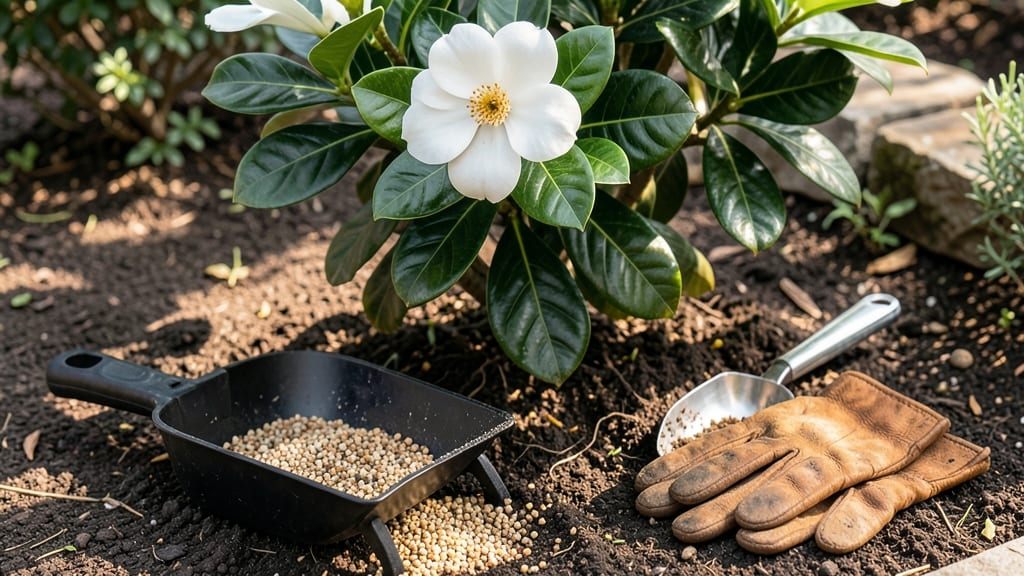
Fertilizing gardenias in Florida at the right time is the secret to those fragrant white blooms 🌸 that make your yard smell like a tropical paradise.
But here’s the catch: Florida’s humid climate and sandy soil mean timing is everything. Feed them too early, and you’ll end up with leaf burn instead of blossoms.
Too late, and your gardenias might skip their spring show entirely. The key? A precise schedule that aligns with their natural growth cycles.
In this guide, I’ll walk you through the exact months to fertilize—spring for pre-bloom energy and fall for root strengthening—plus how to pick the right acidic fertilizer and avoid common mistakes that Florida gardeners make.
You’ll learn when to skip fertilization entirely (yes, there’s a season for that), how to tell if your gardenias are hungry or overfed, and which fertilizers actually work in our state’s unique soil. Let’s get those gardenias thriving!
Optimal fertilizing schedule for Florida gardenias: spring & fall timing explained
Florida gardenias thrive when fertilized at the right times, but their delicate nature means timing matters more than most plants. The two critical windows—early spring and late fall—align with their natural growth cycles.
In Florida’s USDA zones 9a-11, these periods avoid heat stress and excessive rainfall that can wash away nutrients.
Your gardenias need acidic soil (pH 5.0-6.5) to absorb nutrients effectively. Florida’s sandy soil often lacks organic matter, so we’ll focus on slow-release fertilizers that mimic natural nutrient availability. The goal? Vibrant blooms without burning roots or leaves.
Spring fertilization (February-March) kickstarts growth before blooming season. Fall fertilization (October-November) strengthens roots for winter. Summer feeding is minimal—just enough to maintain health without overloading the plant during peak heat.
For spring feeding, I recommend starting in late February when daytime temps consistently reach 70°F. Use a balanced acidic fertilizer (like azalea mix) and apply it to moist soil in the morning. This timing avoids stressing new growth with summer heat.
In late fall, switch to a slow-release organic fertilizer like composted pine bark. Apply it in October when temps drop below 80°F—this gives roots time to absorb nutrients before cooler weather sets in. Avoid synthetic fertilizers in fall, as they can encourage tender new growth vulnerable to cold.
Florida’s rainy season (June-September) complicates fertilization. Heavy rains can leach nutrients, so I cut back to light organic top-dressing every 6-8 weeks. Always water deeply after fertilizing to help nutrients reach roots before rain washes them away.
If your gardenias show yellow leaves or sparse blooms, they may need extra iron. Florida’s alkaline soil often lacks this micronutrient. Try a chelated iron supplement in spring, but avoid overdoing it—too much iron can be toxic. Test your soil every 2-3 years to monitor pH and nutrient levels.
Pro tip: Mulch heavily after fertilizing to retain moisture and regulate soil temperature. Use 2-3 inches of pine bark mulch, which also slowly acidifies the soil over time. This mimics gardenias’ natural habitat and reduces the need for frequent pH adjustments.
Never fertilize when gardenias are stressed—like after transplanting or during drought. Wait until they’ve established new roots or recovered from water restrictions. And always follow label instructions—over-fertilizing can cause leaf burn or root damage.
🌸 With this precise timing, your Florida gardenias will reward you with fragrant blooms year after year—without the guesswork. Start with spring’s growth boost, then recharge roots in fall for a resilient, thriving shrub.
Signs your gardenias need fertilizer (and when to skip it)
Your gardenias might be whispering for help if their leaves turn yellow between the veins—a classic sign of iron deficiency. Florida’s sandy soil often lacks essential nutrients, so this nutrient deficiency is common.
But before grabbing that fertilizer, check for other clues like sparse blooms or stunted growth, which also signal it’s time to feed your plants.
Over-fertilizing is just as harmful as under-fertilizing. If you spot brown leaf edges or crispy tips, your gardenias are crying out for a break. These are burn symptoms from too much salt or fertilizer buildup. In Florida’s heat, this happens faster than you’d think—especially if you’re using synthetic fertilizers.
Seasonal timing matters more than you realize. Gardenias in Florida thrive with spring and fall feeding, but summer’s intense heat can stress them. If you missed the spring window, don’t panic—just wait until late summer or early fall to avoid shocking the plant during its peak growth phase.
When to Fertilize Gardenias in Florida
- Early spring (Feb-Mar) – Boosts growth before blooming
- Late fall (Oct-Nov) – Strengthens roots for winter
- Acidic fertilizer only – pH 5.0-6.5 for optimal uptake
- Slow-release granules – Reduces burn risk in Florida heat
- Summer (June-Aug) – Plant slows growth to conserve water
- Winter (Dec-Jan) – Semi-dormant; fertilizing causes stress
- After heavy rain – Nutrients leach away; wait until soil dries
- If leaves show burn – Flush soil with water first to reduce salt buildup
Pro Tip: Test soil pH before fertilizing—Florida’s alkaline soil can neutralize nutrients.
If your gardenias are already showing deficiency signs, act fast but gently. Mix a balanced acidic fertilizer (like 6-6-6 or 8-4-4) with water and apply it to the root zone, not the leaves.
For organic options, try coffee grounds or peat moss—both lower pH naturally and provide nutrients.
Don’t forget to water deeply after fertilizing to help nutrients reach the roots. Florida’s sandy soil drains quickly, so a 1-2 gallon soak per plant ensures the fertilizer doesn’t wash away before your gardenias can use it.
Timing is everything—always feed in the early morning to avoid evening moisture that can invite fungal issues.
Missed the ideal window? No stress. Gardenias are forgiving if you adjust your approach. If you’ve already fertilized too late in the season, reduce watering slightly to slow nutrient uptake and focus on mulching to retain moisture.
Next year, mark your calendar for February and October—these are your golden months for feeding.