
How To
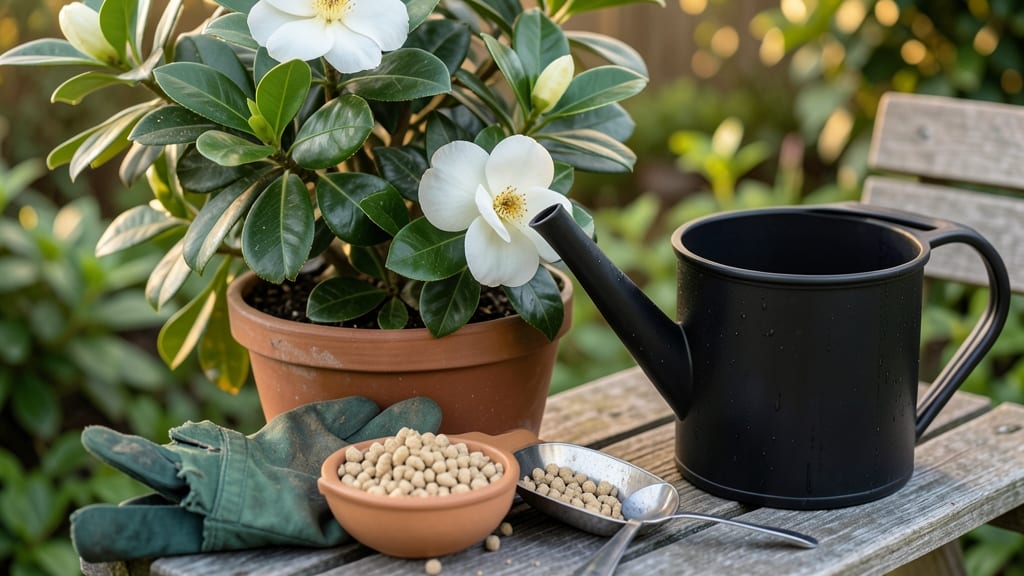
To fertilize gardenia plants at the right time means feeding them just as new growth starts in spring and again when buds form in summer—timing that makes all the difference between vibrant blooms and sad, sparse flowers.
Picture this: You’ve waited all winter for those fragrant white blooms 🌸, only to see your gardenia produce a handful of buds that never open. Or worse, the leaves turn yellow and crispy from too much fertilizer. That’s not just bad luck—it’s a timing problem.
Gardenia thrives when fed in sync with its natural cycle, not on a rigid schedule. The key is knowing when to pause (fall and winter) and when to feed lightly (spring) or more aggressively (summer) to fuel those showstopping blooms.
In this guide, you’ll learn the exact seasonal schedule for fertilizing gardenias, from the best organic and synthetic options to how often to feed—and when to stop—to keep your plant lush, blooming, and healthy year after year.
Best times of year to fertilize gardenia for maximum blooms
Timing your gardenia fertilizer applications is the key to those fragrant, white blooms you adore. Gardenias are finicky about nutrient timing—too early, and you’ll spur leafy growth over flowers.
Too late, and your plant may skip blooming entirely. The secret lies in syncing fertilizer with their natural growth cycles, which peak in spring and summer.
Most gardeners make the mistake of fertilizing year-round, but gardenias actually rest in winter. Feeding them during dormancy stresses the plant and wastes nutrients. Instead, focus on three critical windows: early spring for new growth, late spring for bud formation, and summer for bloom support.
Let’s break down the exact months and methods for each.
🌱 Did You Know? Gardenias thrive in acidic soil (pH 5.0-6.5). If your soil tests higher, amend it with sulfur or peat moss before fertilizing—your plant won’t absorb nutrients properly otherwise!
| Season | Key Growth Stage | Fertilizer Type | Frequency | Why It Matters |
|---|---|---|---|---|
| Early Spring (March-April) | New Leaf Growth | Balanced (10-10-10) or Organic | Light feed (½ dose) | Stimulates roots and foliage |
| Late Spring (May-June) | Bud Formation | High-Phosphorus (5-10-5) | Every 4 weeks | Encourages abundant blooms |
| Summer (July-August) | Blooming Season | Slow-Release Granules | Every 6 weeks | Sustains flowers and foliage |
| Fall (September-October) | Post-Bloom Recovery | None | Stop fertilizing | Prepares plant for dormancy |
| Winter (November-February) | Dormant Period | None | N/A | Avoids winter stress |
Spring is your first critical window—typically March to April—when gardenias wake from dormancy. A light fertilizer application (half the recommended dose) kickstarts root and leaf growth. Use a balanced fertilizer (10-10-10) or organic options like fish emulsion to avoid burning tender new shoots.
Apply it to moist soil in the morning to prevent salt buildup.
By late spring (May-June), your gardenia should be forming buds. This is when you switch to a high-phosphorus fertilizer (5-10-5) to support flowering. Phosphorus is the nutrient that promotes blooms, so don’t skip this step! Feed every 4 weeks
How to adjust fertilizer frequency based on gardenia growth stage
Your gardenia’s growth isn’t just about water and sunlight—it’s also about feeding it at the right times to match its natural cycle. Over-fertilizing in winter or skipping spring feeds can leave your plant struggling.
Let’s break down how to time your fertilizer applications for new growth, bud formation, and post-bloom recovery.
Gardenia plants have three key growth phases: spring flush (when new leaves emerge), summer budding (when flower buds form), and fall/winter dormancy (when the plant rests).
Each phase requires a different approach to fertilization. For example, feeding too much in late summer can delay blooming, while skipping spring feeds stunts growth.
⚠️ callout-warning
Never fertilize gardenias when they’re dormant (fall/winter) or right after transplanting. Overfeeding in these stages causes leaf burn or root damage. Always wait until new growth appears (spring) or buds form (late summer) before applying fertilizer.
Pro Tip: Test your soil first—gardenia thrives in acidic soil (pH 5.0-6.5). If your soil is too alkaline, fertilizing won’t help!
Start with a light feed in early spring (March-April) as your gardenia breaks dormancy. Use a balanced fertilizer (10-10-10) or an acid-loving plant blend (8-3-9) to support root and leaf development.
Apply 1 tablespoon per plant around the root zone, keeping it 2 inches away from the trunk to avoid root burn.
As summer approaches (June-August), switch to a higher-phosphorus fertilizer (e.g., 10-20-10) to encourage flower bud formation. Feed every 4-6 weeks but reduce the amount to ½ tablespoon per plant. Stop fertilizing by late August to allow buds to set properly for fall blooms.
In fall and winter (September-March), your gardenia enters dormancy. Skip all fertilizer during this time—feeding can stress the plant and lead to yellowing leaves or poor blooming the next season. Instead, focus on mulching to protect roots and pruning dead blooms to redirect energy.
Watch for signs of over-fertilization, like crispy leaf edges or under-fertilization, such as pale leaves or sparse blooms. Adjust your schedule based on your gardenia’s response—some varieties need less frequent feeding, while others thrive with monthly applications during the growing season.