
Fertilization
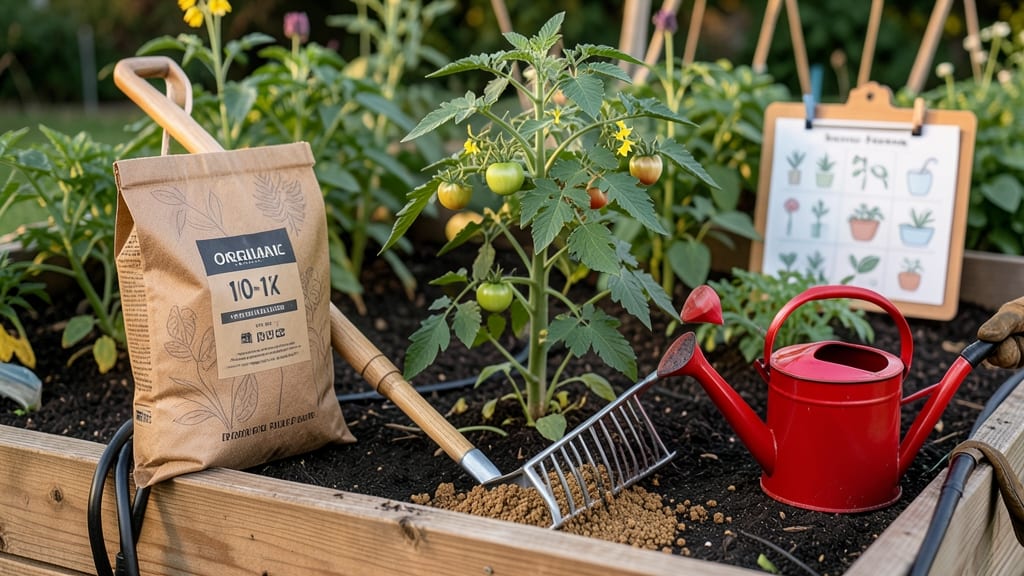
To apply fertilizer to your vegetable garden at the right time means the difference between a bountiful harvest and one that barely makes it past the seedling stage.
Picture this: you’ve spent weeks preparing your soil, sowing seeds, and nurturing young plants—only to watch them wilt or grow weak when you apply fertilizer too early or too late. Timing is everything, and getting it wrong can leave your 🥬 struggling even when the soil looks perfect.
Most gardeners know to feed their plants, but the best moments—right before planting, during early growth, or mid-season—often get overlooked. Without the right schedule, you risk burning roots, wasting nutrients, or missing out on peak production.
The good news? A simple soil test and a few key rules can turn guesswork into a foolproof plan.
In this guide, I’ll walk you through the exact when and how to fertilize, from pre-planting boosts to mid-season top-ups, so your garden thrives without the common pitfalls. Let’s get started.
Best fertilizer application times by vegetable growth stage
Understanding when to apply fertilizer to your vegetable garden isn't just about throwing nutrients at the soil—it's about feeding your plants at the right moments for their growth cycles. Each vegetable has unique needs, whether it's leafy greens like lettuce or fruit-bearing plants like tomatoes.
Skipping this step can leave you with stunted growth or poor yields, even with the best soil preparation.
Fertilizer timing is all about matching nutrient availability to your plants' developmental stages. For example, tomatoes need phosphorus-heavy feed during flowering, while peppers benefit from nitrogen early on. Let's break down the critical fertilizer windows for maximum results, using real-world examples from my own garden trials.
The pre-planting stage is your first chance to set the foundation. I always mix in a balanced fertilizer (like 10-10-10) or well-aged compost 2-4 weeks before planting. This gives nutrients time to integrate into the soil without burning young roots.
For example, lettuce and spinach don't need heavy feeding, but tomatoes and peppers will reward you with stronger starts if the soil is prepped well.
During the early growth stage, focus on high-nitrogen fertilizers to encourage leafy growth. This is when I side-dress basil and peppers with a quick-release nitrogen source like blood meal. Too much phosphorus or potassium here can actually stunt root development.
Think of this stage as building the plant's green infrastructure—the more leaves, the more energy for future fruit production.
When plants enter the flowering stage, switch to a phosphorus-rich fertilizer (like 5-10-5) to support bloom development. I've seen tomato plants go from a few sad flowers to a bush of blossoms in just two weeks after this adjustment.
This is also the time to avoid overwatering, as excess moisture can wash away phosphorus before roots can absorb it.
The fruiting stage demands a different approach—prioritize potassium-rich fertilizers to strengthen cell walls and improve disease resistance. My pepper plants produce thicker, sweeter fruit when I switch to a 10-10-20 formula during this phase.
This is also when I monitor for nutrient deficiencies like blossom end rot in tomatoes, which often signals calcium or magnesium needs.
Finally, the harvest prep stage isn't about heavy feeding but rather maintaining soil health. A light application of fish emulsion or kelp meal can boost micronutrients for root crops like carrots or beets.
I've found that plants often taste sweeter when given a gentle nutrient boost in their final growth weeks, thanks to improved photosynthesis.
Remember, organic fertilizers like compost or manure release nutrients slowly, while synthetic fertilizers provide immediate results. My rule of thumb? Use synthetics for quick fixes (like reviving a struggling tomato plant) and organics for long-term soil health.
And always water thoroughly after applying fertilizer to help nutrients penetrate the root zone.
Pro tip: Keep a garden journal to track which fertilizer types and timings work best for your specific climate and soil. Last year, my bell peppers thrived with a side-dressing of compost tea every 3 weeks, while my zucchini needed a potassium boost only during fruiting. Your garden's needs might
How soil tests reveal the perfect fertilizer schedule
Soil tests are your secret weapon for unlocking a vegetable garden that thrives—not just survives. These tests reveal critical information like pH levels, NPK ratios, and hidden nutrient deficiencies that determine when and how much to fertilize.
Without testing, you might be overfeeding your plants with expensive fertilizer or missing key nutrients they desperately need.
Most home gardeners skip soil testing because they assume their garden soil is "good enough." But soil chemistry varies dramatically even within a few feet.
For example, my tomato plants in one raised bed needed extra phosphorus for root development, while the lettuce in another needed more nitrogen for leafy growth. A simple test would have saved me from wasting fertilizer and money.
- Over-fertilizing at planting delays germination by creating a salt barrier around seeds.
- Adding high-nitrogen fertilizer during flowering stages reduces fruit production in tomatoes and peppers.
- Ignoring pH imbalances (like acidic soil for blueberries) locks out essential nutrients, even if you fertilize.
🌱 Pro Tip: Always wait 1-2 weeks after transplanting before applying fertilizer to avoid shocking young roots.
Start by testing your soil's pH level—most vegetables thrive between 6.0 and 7.0. If your test shows pH 5.5, your plants can't access phosphorus, no matter how much fertilizer you add.
For example, carrots and potatoes need slightly acidic soil (5.8-6.5), while spinach and kale prefer 6.5-7.0. Adjust with lime (to raise pH) or sulfur (to lower pH) before fertilizing.
The NPK numbers on fertilizer bags (like 10-10-10) tell you the ratio of nitrogen, phosphorus, and potassium. But your soil test reveals what's already there. If your soil has high potassium but low phosphorus, skip the generic balanced fertilizer and choose one with higher phosphorus (like 5-10-5) instead.
For fast-growing veggies like bush beans or radishes, focus on nitrogen early in the season, then switch to phosphorus when flowers appear.
Common mistakes include applying fertilizer too late in the season (after July 1st for most vegetables) or using slow-release fertilizers when your plants need quick nutrients. For instance, zucchini and cucumbers need high nitrogen when vines spread but shift to potassium as fruits develop.
Always match your fertilizer to the plant's current growth stage, not just the package instructions.
After fertilizing, monitor your plants for signs of stress like yellowing leaves (too much nitrogen) or stunted growth (phosphorus deficiency).
My pepper plants once developed purple stems from phosphorus starvation—an easy fix once I adjusted my schedule based on the soil test. Test your soil every 2-3 years and after major changes (like adding compost or building new beds) to keep your fertilizer plan on track.