
Planting
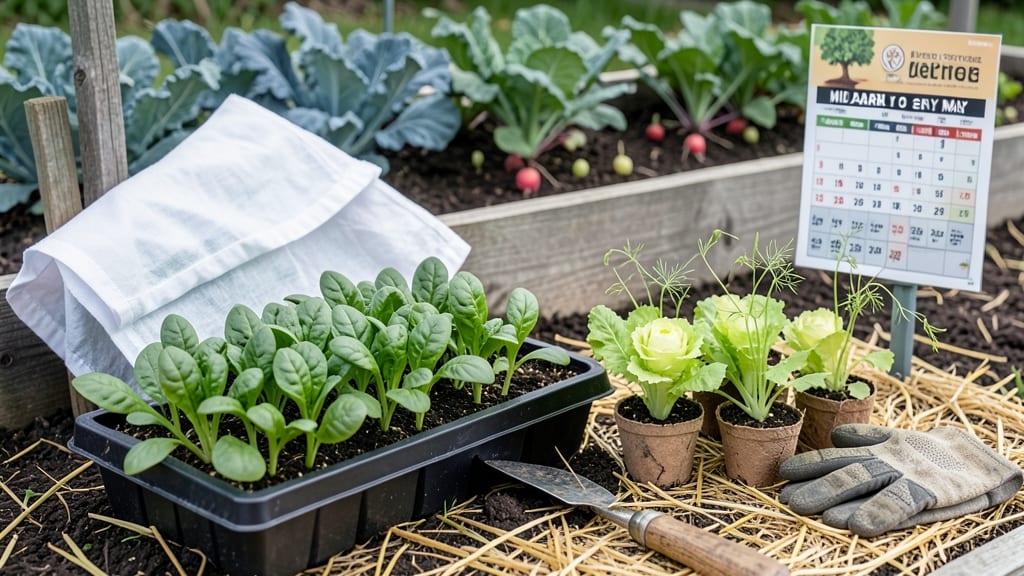
Planting a garden in Michigan at the right time means the difference between a bountiful harvest and a frost-killed disappointment.
Michigan’s unpredictable frost dates can make or break your garden—planting too early risks frost damage, while waiting too long cuts your growing season short. Whether you're in the Upper Peninsula or the Lower Peninsula, timing is everything.
Cool-season crops like lettuce and peas thrive when soil temperatures hit 40°F, while warm-season favorites like tomatoes and peppers need to wait until after the last frost—typically late April to early May in most regions. But don’t just guess: use Michigan State University’s frost-date data to fine-tune your schedule.
In this guide, I’ll break down the best planting windows for your zone, share strategies to extend your season, and help you avoid common mistakes that waste precious growing time.
Michigan’s frost dates by region: last spring & first fall frost timelines
Michigan’s climate varies dramatically from its Upper Peninsula to the Southern Lower Peninsula, with frost dates shifting by weeks. Knowing your last spring frost and first fall frost is critical for timing plantings—especially for heat-loving veggies like tomatoes or cool-season crops like spinach.
These dates determine when to start seeds indoors, transplant seedlings, and harvest before frost hits.
Michigan spans USDA Zones 4-6, but frost timelines differ significantly between regions. The Upper Peninsula (Zone 4) often sees frost 2-3 weeks later in spring and 1-2 weeks earlier in fall compared to Southern Michigan (Zone 6).
Using Michigan State University’s climate data, here’s what to expect in your area.
Why frost dates matter: Planting warm-season crops (tomatoes, peppers) too early risks frost damage, while cool-season crops (kale, carrots) planted too late may bolt or struggle. Fall frosts also signal when to harvest or protect tender plants with row covers or cold frames.
Below is a region-by-region breakdown of average frost dates, helping you align your planting schedule with Michigan’s short but productive growing season. Adjust for early/late years by monitoring local forecasts from the National Weather Service.
Pro Tip: Use frost-free days to calculate planting windows. For example, tomatoes need 80-100 frost-free days to mature, while lettuce tolerates cooler temps and can be planted 4-6 weeks before the last frost.
The Upper Peninsula has the shortest growing season, with only 100–120 frost-free days. Focus on fast-maturing crops like bush beans (50 days) and radishes (25 days) to maximize yields.
In contrast, Southern Michigan enjoys 140–160 frost-free days, allowing for longer-season varieties like heirloom tomatoes (85+ days) or squash (100+ days).
For Northern Lower Peninsula gardeners, aim to plant warm-season crops like peppers and eggplants by May 15 to ensure they mature before frost. Use black plastic mulch to warm soil faster and extend the season.
In Southern Michigan, you can push the envelope with late-season plantings of broccoli or cabbage in early August for fall harvests.
Always check local microclimates—valleys and low-lying areas frost earlier than hills or urban zones. If you’re near Lake Michigan, expect 1–2 weeks later for spring frosts due to the lake’s moderating effect.
For real-time updates, bookmark the Michigan State University Extension’s frost date maps or use the National Weather Service’s Point Forecast tool.
To hedge your bets, start cool-season crops indoors 4–6 weeks before the last frost date. For warm-season crops, begin seeds indoors 6–8 weeks before transplanting outdoors. Harden off seedlings gradually to avoid shock when moving them to the garden.
Remember: Michigan’s frost dates are averages, not guarantees. Keep a garden journal to track your local frost dates year after year. Over time, you’ll refine your planting schedule to match your unique microclimate—leading to bigger harvests and healthier plants! 🌱
Best planting schedule for Michigan gardens: warm-season vs. cool-season crops
Michigan’s short growing season demands precision when planting warm-season and cool-season crops. Warm-season plants like tomatoes and peppers need soil temperatures above 55°F (13°C) to thrive, while cool-season crops such as lettuce and spinach tolerate—and even prefer—cooler temperatures. Timing is everything to avoid frost damage or stunted growth.
I’ve broken down the ideal planting windows based on Michigan’s average last frost dates (mid-April to early May in most regions) and first fall frosts (mid-September to early October). For Southern Michigan, you’ll have a slightly longer window than the Upper Peninsula, so adjust accordingly.
Pro tip: Use row covers or cold frames to extend your season by 2-4 weeks for both warm and cool crops. This simple trick can mean the difference between a bountiful harvest and a disappointing one.
🌱 Michigan Planting Timeline: Warm vs. Cool-Season Crops
- Early April: Start cool-season crops indoors (e.g., lettuce, spinach, kale). Direct-sow hardy greens like peas and radishes once soil is workable.
- Mid-April to Early May: Plant cool-season crops outdoors after last frost (e.g., broccoli, cabbage, carrots). Use row covers for extra protection.
- Late May to Early June: Warm up your soil with black plastic mulch and plant warm-season crops like tomatoes, peppers, and cucumbers after soil reaches 60°F (16°C).
- June to Early July: Begin succession planting for warm crops (e.g., bush beans, zucchinifall lettuce and spinach for late-season harvests.
- Late July to August: Plant fast-maturing crops like bush beans, radishes, and turnips for a fall harvest before first frost. Avoid planting warm-season crops after mid-August in most regions.
For tomatoes and peppers, which are heat-lovers, I recommend waiting until mid-May to early June in Northern Michigan or late April to May in Southern Michigan. These plants need warmth to germinate, so don’t rush—patience pays off with bigger yields.
Cool-season crops like spinach and kale can handle light frosts, so you can plant them as early as March under row covers or directly in April. For a fall harvest, sow seeds again in July to August to beat the first frost.
To maximize your garden’s potential, plan for succession planting. For example, after harvesting early bush beans, replant with radishes or lettuce—they mature quickly and won’t compete for space. This strategy keeps your garden productive from spring to fall.