
Fertilization
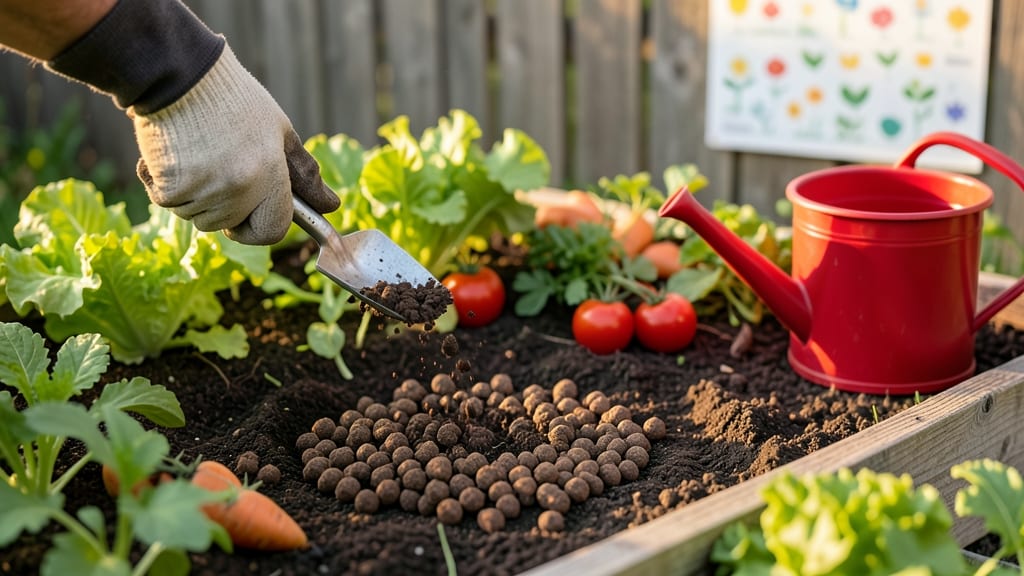
You should fertilize your garden at specific seasonal windows—not just when it crosses your mind—because timing directly impacts plant health and yield.
Picture this: you’ve just planted your spring Garden 🌱, the soil is rich, and you’re eager to see growth. But if you fertilize too early, you risk burning tender roots; too late, and your plants miss their critical nutrient boost.
The difference between thriving blooms and struggling seedlings often comes down to knowing when to feed your soil.
In Zone 6, the best times to fertilize are early spring (March–April) and mid-summer (June–July), aligning with your Garden’s growth cycles. Fall and winter are off-limits—overfeeding now can encourage weak growth before dormancy or harm soil microbes.
Below, I’ll break down the exact schedule for vegetables, flowers, and lawns, plus how to read your soil’s signals so you never fertilize at the wrong time.
Ready to stop guessing? You’ll learn how to sync fertilization with planting, blooming, and harvesting—plus the one mistake that ruins more gardens than you’d think.
Seasonal fertilization schedule by plant type: early spring through fall
Fertilizing your garden at the right time is like giving your plants a perfectly timed meal—too early or late, and they won’t get the energy they need to thrive. Annuals, perennials, vegetables, and lawns all have different nutritional windows, and missing them can lead to weak growth or even plant stress.
The key is understanding each plant’s growth cycle and fertilizing during their active feeding periods.
For example, cool-season vegetables like lettuce and broccoli need nutrients in early spring, while warm-season crops like tomatoes and peppers require feeding as they establish roots in late spring.
Perennials, on the other hand, benefit from a spring boost and a light mid-summer feed, but avoid fertilizing in fall to encourage dormancy. Lawns follow a similar rule: feed in early spring and fall, but skip summer to prevent stress during heatwaves.
Here’s a month-by-month breakdown to keep your garden on track, including critical avoid periods that can harm your plants or harm the environment.
| Month | Annuals (Vegetables/Flowers) | Perennials (Shrubs/Trees) | Lawns | Avoid Fertilizing |
|---|---|---|---|---|
| March | Light feed at planting | Early spring boost | Early spring feed | None |
| April | Full feed after sprouting | Mid-spring feed | Second spring feed | None |
| May | Light feed every 4 weeks | Light summer feed | Skip (heat stress risk) | None |
| June | Full feed for fruiting plants | Light feed if needed | Skip (dormancy) | None |
| July | Light feed for leafy greens | Skip (heat stress) | Skip (dormancy) | None |
| August | Prep fall crops with light feed | Light feed for new growth | Late summer feed | None |
| September | Skip (harvest focus) | Skip (prep for dormancy) | Fall feed for root growth | None |
| October | Skip (planting season over) | Skip (dormancy) | Skip (winter prep) | None |
In early spring (March-April), focus on establishing roots for annuals and perennials. Use a balanced fertilizer (10-10-10) when planting vegetables like tomatoes and peppers, and apply a slow-release organic fertilizer to perennials to encourage blooming.
Lawns also benefit from an early spring feed to break winter dormancy and promote dense
Signs your garden needs fertilizer (and when to skip it)
Your garden speaks to you through its leaves, stems, and overall growth patterns. Yellowing leaves, especially on older foliage, often signal nitrogen deficiency, while purple-tinged stems may indicate a lack of phosphorus.
These visual cues are your garden's way of asking for help—but before reaching for fertilizer, let's decode what your plants are truly saying.
Not all yellow leaves mean you need fertilizer. Overwatering or poor drainage can cause similar symptoms, while stunted growth might stem from compacted soil rather than nutrient deprivation.
Understanding these distinctions is key to avoiding costly (and harmful) over-fertilization. Let's break down the clear signs your garden needs fertilizer—and when you should hold off.
⚠️ callout warning
Fertilize during active growth phases—typically early spring (before blooming) and mid-summer (for second flushes). Avoid fertilizing in fall or winter when plants enter dormancy. Never fertilize stressed plants (wilted, diseased, or newly transplanted) as it can worsen damage.
✅ Do fertilize: After pruning, during flowering, or when soil tests show deficiencies.
❌ Avoid fertilizing: In extreme heat, drought, or when leaves show signs of burn.
Start with a soil test—this is the gold standard for determining fertilizer needs. Many garden centers offer affordable test kits that reveal pH levels and nutrient deficiencies. For example, a pH below 6.0 may require lime, while a high phosphorus reading suggests you should skip phosphorus-heavy fertilizers.
If your soil tests well but plants still struggle, consider micronutrient deficiencies like iron or magnesium.
Watch for slow recovery after pruning or pale new growth, both classic signs your plants are nutrient-starved. Vegetable gardens often show these symptoms when nitrogen runs low, while flowering plants may produce fewer blooms due to phosphorus shortages.
Pay attention to root crops like carrots or beets—if they're small or misshapen, it’s often a sign of inadequate potassium.
Over-fertilizing is a common mistake that can burn roots, attract pests, or even kill plants. Look for crusty white deposits on soil (a sign of excess salts) or darkened leaf edges (fertilizer burn).
If you’ve recently added compost or manure, your plants may not need additional fertilizer—these organic amendments release nutrients slowly over time.
Create a fertilization schedule based on your plants' needs. Fast-growing annuals like lettuce or basil benefit from every 3-4 weeks, while perennials like roses thrive with monthly feedings in spring and summer.
Always water deeply after fertilizing to help nutrients reach roots and prevent burn. When in doubt, less is more—you can always add fertilizer later, but overdoing it now can harm your garden.