
Planting
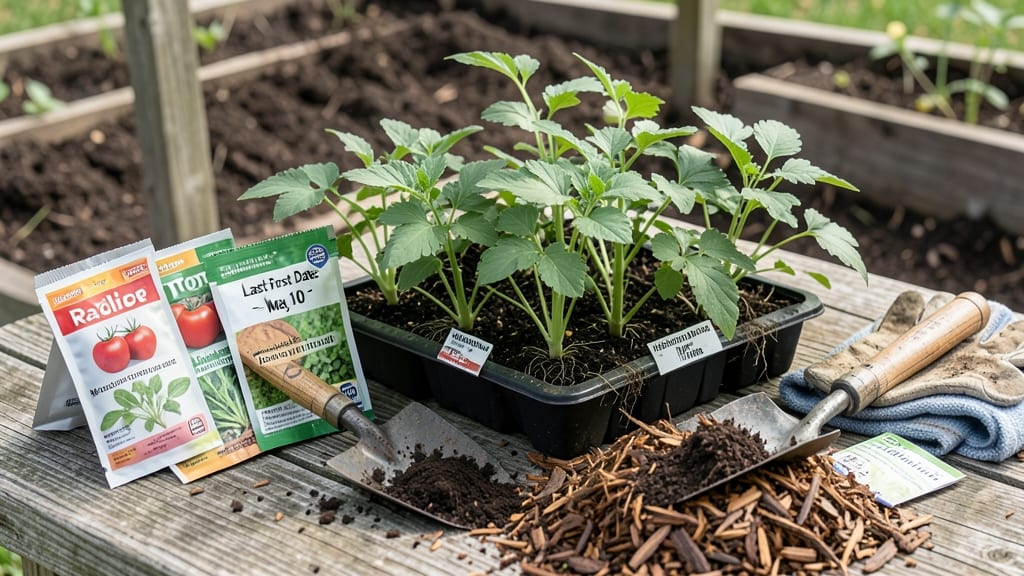
Should you plant your garden in Michigan when the snow melts or wait until the soil warms up? Timing is everything for a thriving harvest.
Michigan’s unpredictable spring weather can leave even experienced gardeners guessing when to plant—but timing is everything for a bountiful harvest. Get the exact zone-specific planting dates to maximize your garden’s success, whether you’re in Detroit’s urban plots or the Upper Peninsula’s cooler climate.
Cool-season crops like lettuce and peas thrive when planted as early as March, while tomatoes and peppers need to wait until after the last frost, usually around Mother’s Day.
But what if late frosts strike? I’ll show you how to adjust your schedule for Michigan’s unpredictable weather and still get a great yield.
From starting seeds indoors to direct sowing outdoors, this guide breaks down the best planting windows for every crop—so you can plant with confidence and avoid common mistakes that waste your hard work.
Michigan planting zones: when to start seeds indoors vs. direct sowing outdoor
Michigan spans USDA zones 4-6, creating dramatic differences in planting windows between the Upper Peninsula (4a/4b) and southern regions like Detroit (6a). Knowing your exact zone helps you avoid frost damage while maximizing your garden's potential.
For example, tomatoes can be direct-sown in zone 6a by late May, but in zone 4a, they need a 6-8 week indoor head start.
Your last frost date is the critical marker for outdoor planting. In northern Michigan, this often falls between May 15-30, while southern areas see it as early as April 15-20.
Even experienced gardeners use these dates to determine when to move seedlings outdoors or when it's safe to direct-sow warm-season crops like peppers and cucumbers.
For cool-season crops such as lettuce, spinach, and kale, you can start seeds indoors 8-10 weeks before your last frost. In zone 4a, that means beginning in early March, while zone 6a gardeners can wait until late February.
These early starts help you beat spring's unpredictable weather and get a jump on harvests.
Warm-season crops like tomatoes, peppers, and eggplants require more precise timing. Start them indoors 6-8 weeks before your last frost, which translates to early March in zone 6a but late March in zone 4a. These plants are frost-sensitive, so rushing them can result in lost seedlings.
| Zone | Last Frost Date | Indoor Start (Cool-Season) | Indoor Start (Warm-Season) | Direct Sow (Cool-Season) | Direct Sow (Warm-Season) |
|---|---|---|---|---|---|
| 4a (UP) | May 20-30 | Early March | Late March | Early April | After June 1 |
| 4b (North) | May 10-20 | Late February | Early March | Mid March | After May 15 |
| 5a (Mid) | April 25-May 10 | Late February | Early March | Mid March | After May 1 |
| 5b (South) | April 15-25 | Late January | Late February | Early March | After April
Best planting schedule by crop type for Michigan gardensMichigan’s diverse climate means your planting schedule should shift between cool-season crops that thrive in spring and fall, warm-season vegetables that need summer heat, and perennials that return year after year. For most of Michigan (zones 4-6), aim to plant cool-season crops like lettuce and peas 4-6 weeks before your last frost date, while warm-season crops like tomatoes and peppers should wait until 2 weeks after the last frost. Perennials, like asparagus and rhubarb, get planted in early spring or fall for best establishment. Let’s break down the exact timing for Michigan’s most popular crops, including succession planting tips to keep your harvests going all season. Whether you’re growing in Detroit’s urban gardens or the Upper Peninsula’s cooler climate, these schedules account for Michigan’s 100-150 frost-free days and variable spring weather. For example, southern Michigan’s last frost typically falls between April 15-May 1, while northern regions may wait until May 15-June 1. 1
Cool-Season Crops (Spring)
Plant: Lettuce, spinach, peas, broccoli, cabbage When: March-April (indoors) or April-May (direct sow) Tip: Use row covers for early starts 2
Warm-Season Crops (Summer)
Plant: Tomatoes, peppers, beans, cucumbers When: May 15-June 1 (after last frost) Tip: Start indoors in March for transplants 3
Fall Cool-Season Crops
Plant: Kale, carrots, radishes, beets When: July-August (6-8 weeks before first frost) Tip: Succession plant every 2 weeks for continuous harvests 4
Perennials (Spring/Fall)
Plant: Asparagus, rhubarb, strawberries When: April-May or September-October Tip: Soil prep is key—add compost 4-6 weeks before planting For succession planting, focus on crops like lettuce, radishes, and beans, which mature quickly. Plant a new batch every 2-3 weeks from early spring through mid-summer to avoid gluts and gaps. For example, if you plant radishes every 10 days starting in April, you’ll have fresh harvests through July. Similarly, bush beans planted in early June and again in late July will give you two harvest windows before frost. Michigan’s climate also allows for late-season warm crops like zucchini and summer squash, which can be planted as late as June 15-July 1 in southern regions. Use black plastic mulch to warm the soil faster and extend the season. For herbs like basil and cilantro, plant basil after the last frost (around May 15) and cilantro in early spring or late summer to avoid bolting in summer heat. Don’t forget flowering perennials like coneflowers and black-eyed Susans, which thrive when planted in early spring or fall. These plants establish strong roots before extreme heat or cold sets in. For annual flowers, like marigolds and zinnias, sow seeds directly after the last frost (around May 1) for vibrant summer blooms. Group flowers with vegetables to attract pollinators and deter pests naturally. Pro tip: Keep a garden journal to track your planting dates and note any adjustments for future years. Michigan’s weather can vary dramatically from year to year, so what worked in 2023 might need tweaking in 2024. For instance, if you planted tomatoes too early and lost seedlings to a late frost, adjust your schedule for next year by waiting until June 1 in cooler zones. 🌱 |