
Tools
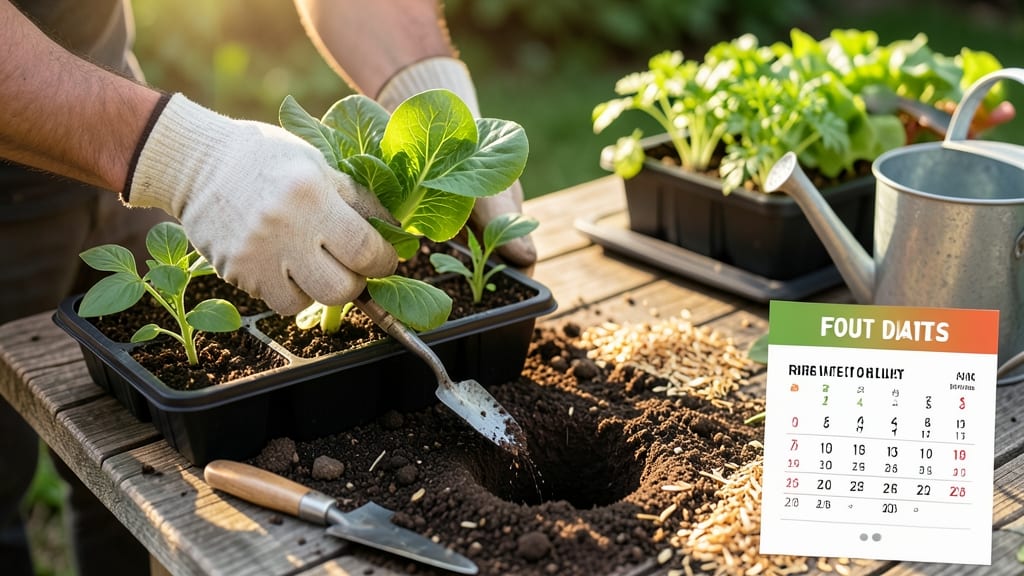
The best time to start planting a garden depends on your USDA hardiness zone and plant type: sow cool-season crops like lettuce 4-6 weeks before the last frost, warm-season plants like tomatoes after the last frost, and perennials in early spring or fall for root establishment. Check local frost dates for precision timing.
The timing of your garden's planting window is all about avoiding frost damage to tender seedlings. 🌱 Cool-season plants like spinach and kale thrive when soil temperatures stay below 70°F, while warm-season crops such as peppers and cucumbers need to wait until the ground warms to at least 60°F consistently.
I always recommend using a soil thermometer for accuracy—it's the best way to confirm your plants are getting the right conditions to flourish.
For perennials, early spring or fall planting gives roots time to establish before extreme temperatures arrive. This strategy reduces transplant shock and improves survival rates. If you're unsure about your local frost dates, your county extension office can provide precise data tailored to your specific area.
💡 In This Article
- Understanding USDA Planting Zones and Frost Timelines
- Plant-Specific Garden Starting Strategies by Season
Understanding USDA planting zones and frost timelines
The USDA Plant Hardiness Zone Map divides North America into 13 zones based on average annual minimum temperatures. Each zone represents a 10°F difference in winter lows, which directly impacts when you can safely plant.
For example, Zone 5 (average -15°F to -10°F) has a much shorter growing season than Zone 9 (20°F to 30°F), meaning cool-season crops must start earlier in colder zones to avoid frost damage.
The map also accounts for microclimates—urban areas can be 5°F warmer than rural spots just a few miles away due to heat absorption from buildings and pavement.
Frost dates are the real game-changer for seedling survival. The last spring frost marks when air temperatures consistently stay above 32°F for at least 5 consecutive days, while the first fall frost signals the end of the growing season.
In Zone 6, this window might be 120-150 days, but in Zone 10, it could stretch to 240+ days.
Planting too early risks killing tender seedlings with a late frost—like when I once lost my entire broccoli transplant batch after a -2°F surprise in early May. 🌱 The key is using your local extension service's frost date averages as a guideline, then adjusting based on your yard's specific conditions.
Soil temperature is equally critical—most seeds need soil to be at least 40°F for germination, while warm-season crops like tomatoes require 60°F+. A soil thermometer placed 2 inches deep gives you real-time data.
I've found that even in Zone 7, early March soil might still be 45°F when air temps hit 60°F, making it perfect for peas but too cold for beans. This is why timing isn't just about calendar dates—it's about matching plant needs with your microclimate's actual conditions.
For container gardens, timing shifts slightly because pots warm up faster than ground soil. You can plant warm-season crops 2-3 weeks earlier in containers than in the ground, since they absorb heat from the surrounding air.
However, containers also dry out faster, so you'll need to water more frequently—especially important when seedlings are establishing roots. The trade-off is worth it for urban gardeners, as it extends the growing season by 10-14 days on average compared to in-ground planting.
What most people overlook is how elevation affects frost dates. Areas above 2,000 feet can experience frost 2-4 weeks later in spring and earlier in fall than nearby valleys. This is why mountain gardeners often plant cool-season crops in late April when valley gardeners start in March.
The temperature inversion creates a 500-foot rule: every 500 feet up increases frost risk by about 3°F. Always check elevation-specific data if you're gardening in hilly or mountainous regions.
Pro tip: Use the "10-day rule" for transplanting. If your local forecast predicts a 30% chance of frost within the next 10 days, delay planting sensitive crops. This simple guideline has saved me from multiple failed plantings over the years.
Pair it with a row cover or cold frame for extra protection if you're pushing the limits of your zone's frost dates. 🌿