
Pruning
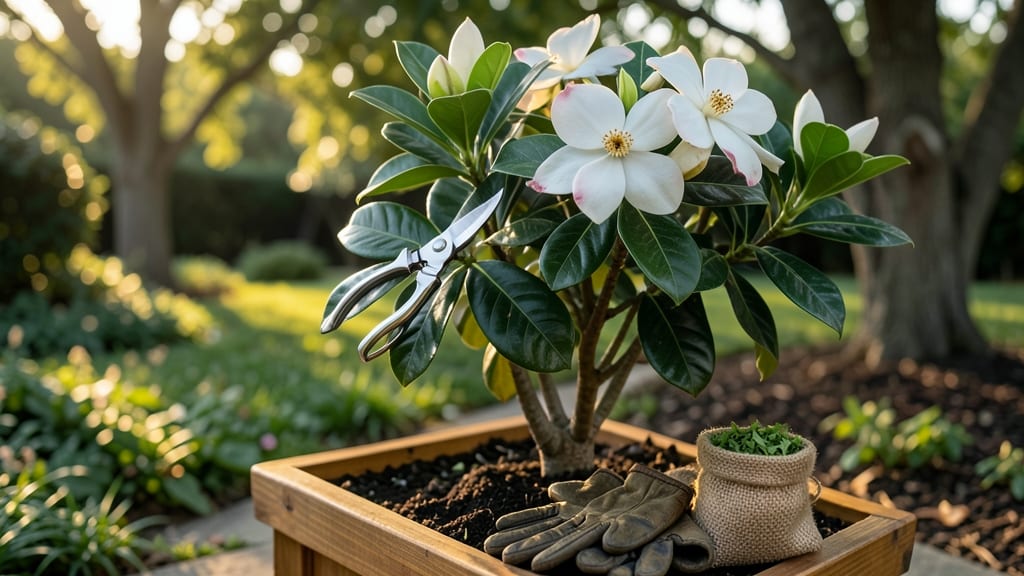
The best time to prune gardenias is late winter, just as new growth begins—but most gardeners miss this window and end up with fewer blooms.
Picture this: Your gardenias 🌸 are struggling to produce those fragrant, creamy-white flowers year after year. You’ve watered, fertilized, and even moved them to sunnier spots, but nothing changes. The secret? Pruning at the right moment—before spring’s rush of growth—can make all the difference.
Late winter pruning (in USDA Zones 8-11, that’s February to early March) removes dead wood, encourages stronger branches, and sets the stage for healthier blooms. Skip this step, and you risk stunting growth or triggering a late flush of weak flowers.
In this guide, I’ll walk you through the exact timing, tools, and techniques to prune your gardenias like a pro—so you can enjoy fuller, fragrant blooms all season long.
Late winter pruning: the optimal time for gardenia blooms
If you’ve ever wondered when is the best time to prune gardenias, the answer lies in late winter—just as your plant begins to stir from dormancy. This timing isn’t random; it’s rooted in plant biology.
Pruning at this stage removes weak or dead branches while stimulating new growth and bloom production for the upcoming season. Gardenias, like many flowering shrubs, set their flower buds on current season’s growth, so late winter pruning ensures you’re shaping a framework for abundant blooms.
Many gardeners mistakenly prune gardenias after they finish blooming in summer, but this approach often leads to fewer flowers the following year. The key is to prune just before new growth begins, typically in February or March in most USDA zones 7-11.
This timing allows the plant to recover and establish new branches before the spring growing season kicks in. Think of it as giving your gardenia a fresh start—like a haircut before a big event!
| Climate Zone | Best Pruning Window | Key Signs to Prune | Avoid Pruning If |
|---|---|---|---|
| USDA Zone 7 | Late February - Early March | Bud swell begins; no frost risk | Frost predicted; new growth visible |
| USDA Zone 8-9 | Mid-February - Late March | Tender shoots emerge; temps above 50°F | Night temps drop below 40°F |
| USDA Zone 10-11 | January - Early February | Dormant but no frost; leaf buds swell | Heavy rains expected; active blooming |
The science behind late winter pruning is fascinating. When you prune at this time, you’re removing old, woody growth that competes with new shoots for energy. This redirection of nutrients leads to stronger stems and more flowering sites.
Additionally, pruning before new growth appears minimizes stress on the plant, allowing it to heal quickly and focus on producing fragrant blooms later in the year. For gardenias, which are evergreen shrubs, this means maintaining their signature glossy leaves while maximizing their show-stopping flowers.
One common mistake is pruning too late in the season, which can delay flowering or even prevent buds from forming. If you miss the late winter window, wait until early spring—but never prune after June, as this can reduce next year’s blooms.
Another pitfall is cutting into old wood (branches older than 3 years), which gardenias struggle to regenerate. Always aim to prune back to healthy, outward-facing buds to encourage an open, airy shape that prevents disease.
For gardeners in cooler climates (USDA Zone 7), timing is critical. Prune too early, and you risk frost damage to fresh cuts. Too late, and you may miss the ideal window for bud formation.
A simple trick is to watch for bud swell—when small, green buds appear along the stems, it’s your cue to prune.
In warmer zones (USDA 10-11), where winters are mild, you can prune as early as January, but avoid pruning during peak blooming periods to preserve existing flowers.
Pruning also plays a role in disease prevention. Gardenias are susceptible to fungal infections like powdery mildew, which thrive in dense, humid conditions. By pruning in late winter, you improve air circulation around the plant, reducing humidity levels on the foliage.
This is especially important if your gardenia is planted in a shady or sheltered spot. Always use sterilized pruning tools to avoid spreading pathogens, and make cuts at a 45-degree angle just above a leaf node.
If you’re unsure about your gardenia’s pruning needs, start by assessing its shape. Look for crossing branches, dead wood, or areas where the center is too dense. These are prime candidates for removal.
For young gardenias (under 3 years old), focus on light shaping rather than heavy pruning. Mature plants, on the other hand, can handle a more aggressive approach to rejuvenate growth. Just remember: less is more—you can always prune more next year if needed!
After pruning, give your gardenia some extra care to ensure a smooth recovery. Water deeply to help the plant replen
Step-by-step late winter pruning guide for gardenias
Late winter is the perfect window to prune your gardenia shrubs—just before new growth begins. This timing helps redirect energy to stronger blooms and healthier foliage while avoiding the risk of frost damage.
If you wait until spring, you’ll miss the chance to shape your plant for the peak flowering season ahead.
Before you start, gather your pruning tools—clean, sharp bypass pruners for small branches and loppers for thicker stems. Disinfect tools with rubbing alcohol to prevent spreading diseases like powdery mildew. Wear gloves to protect your hands from thorns and sap, which can irritate skin.
Pro Tip: Always prune on a dry, sunny day to reduce stress on the plant and allow wounds to heal quickly. Avoid pruning after rain or in humid conditions, as this can invite fungal infections.
When Is the Best Time to Prune Gardenias?
- Step 1
- Step 2
- Step 3
Start by removing dead or diseased branches first—these are easy to spot as they’re brown, brittle, or devoid of leaves. Cut them back to the main stem or until you reach healthy green wood.
Next, shape your gardenia by trimming overcrowded branches to improve air circulation, which prevents fungal issues.
For thinning out, focus on branches growing inward or crossing others. Aim to create an open, vase-like shape that allows sunlight to reach the center of the plant. Never remove more than one-third of the plant’s foliage in a single pruning session to avoid shocking the gardenia.
After pruning, apply a layer of mulch around the base to retain moisture and regulate soil temperature. Water deeply to help the plant recover. In 3-4 weeks, you’ll see new growth emerge, signaling your gardenia is ready for fertilizer to support its blooming season.