
Planting
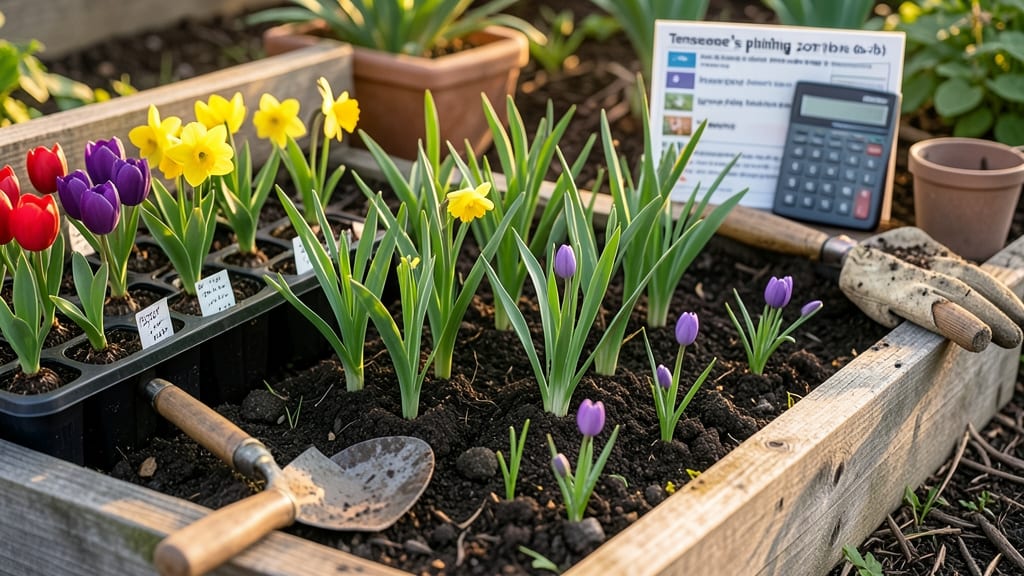
Planting a garden in Tennessee at the right time means the difference between a thriving harvest and a sad, wilted mess 🌱 — and the best window is all about knowing your region’s frost dates.
Tennessee’s diverse climate—from the humid Appalachian foothills to the hotter Mississippi Delta—means your garden’s success hinges on planting at the perfect time. Get it wrong, and you risk frost damage or stunted growth. But get it right, and you’ll enjoy a bountiful harvest all season long.
Most of the state falls in USDA zones 6b-7a, where the last frost typically hits between mid-March and early April. That’s your cue to start cool-season crops like lettuce and peas, while warm-season favorites like tomatoes and peppers wait until soil temperatures hit 60°F in late spring.
Below, I break down the exact planting windows by region—plus tips for adjusting to Tennessee’s unpredictable weather—so you can start your garden with confidence and avoid common pitfalls.
Tennessee’s frost-free zones: when to plant by region (East vs. West vs. middle)
Tennessee’s USDA hardiness zones range from 5a in the Appalachians to 7b in the Mississippi Delta, creating wildly different planting windows. In the East (e.g., Knoxville), cooler springs delay warm-season crops, while the West (e.g., Memphis) enjoys longer frost-free seasons.
Even the Middle (Nashville) sits in the middle—literally—with a 180-day growing season on average.
Your planting schedule depends on two critical dates: the last spring frost and the first fall frost. In East Tennessee, these dates can be 3 weeks earlier than in the West.
For example, Chattanooga’s last frost averages April 15, while Memphis’ last frost is typically March 20. This shift means tomatoes and peppers can hit the ground in Memphis by late February, but Knoxville gardeners must wait until early April.
Here’s how to align your planting with Tennessee’s three distinct regions—plus the frost-free windows for your favorite crops:
In East Tennessee’s cooler microclimates, like the Great Smoky Mountains, gardeners often face late spring frosts that can kill tender seedlings. I’ve learned to start cool-season crops indoors by mid-February and use row covers until mid-April.
For warm-season crops like squash and cucumbers, wait until May 1 to ensure no surprise frosts.
Meanwhile, West Tennessee’s longer growing season lets gardeners plant tomatoes and peppers as early as February 20. I’ve even seen Memphis gardeners harvest sweet corn by July—something nearly impossible in Knoxville’s Zone 6b.
The key? Soil temperature matters more than calendar dates. Use a soil thermometer to confirm 60°F+ before planting warm-season crops.
For fall planting, the rules flip: East Tennesseeers can sow spinach and kale as late as September 15, while West Tennesseeers must finish by September 1 to avoid early frosts.
I’ve had carrots and radishes thrive in Nashville’s fall gardens until November 1, but only if planted by August 15.
Pro tip: Use NOAA’s frost prediction maps to adjust your schedule. For example, if their 10-year average shows a 5% chance of frost after April 15 in your area, you can push warm-season crops slightly earlier. Just be ready to cover seedlings if temperatures dip below 32°F.
Microclimates also play a role. Urban areas like Nashville often experience urban heat islands, allowing earlier planting of heat-loving crops like okra and sweet potatoes. Conversely, valley gardens in East Tennessee can be 5°F colder than nearby ridges, delaying planting by 1–2 weeks.
Observe your yard’s sun exposure and wind patterns—these factors can shift your frost dates by 7–10 days.
Don’t forget container gardening hacks for unpredictable regions. In Zone 6a areas
Best crops to plant in Tennessee by season: spring vs. fall planting guide
Tennessee gardeners know timing is everything—especially when balancing cool-season crops like lettuce with heat-loving varieties such as okra. Spring and fall offer the best planting windows to avoid frost damage while maximizing harvests.
In spring, focus on fast-growing greens and root vegetables, while fall lets you replant warm-season favorites before winter sets in.
Your last frost date (typically mid-March to early April) signals the start of spring planting, while first frost (usually mid-October) marks the end of fall’s second chance. By aligning your planting schedule with these dates—and adjusting for your region—you’ll enjoy a garden that thrives year-round.
- 1 Spring Planting (Mid-March–Mid-May): Start cool-season crops like lettuce, spinach, and peas 4–6 weeks before last frost. Transplant tomatoes, peppers, and basil after soil warms to 60°F (usually late April–early May).
- 2 Fall Planting (Mid-August–October): Sow warm-season crops like sweet potatoes and collards in late summer. Switch to cool-season crops (kale, carrots) by September for a winter harvest.
- 3 Extend Your Season: Use row covers or cold frames to protect early spring/late fall plants. In high-altitude areas (e.g., Smoky Mountains), wait 2–3 weeks later for frost-free soil.
- 4 Regional Adjustments: West Tennessee (warmer) can plant tomatoes in March, while East Tennessee (cooler) may need to wait until May for heat-lovers like peppers.
For cool-season crops, prioritize fast-maturing varieties like bush beans (50–60 days) or radishes (25–30 days) to harvest before summer heat sets in. In contrast, warm-season crops such as squash and eggplants thrive when soil temperatures stay above 70°F, making fall the perfect time to replant them.
Don’t overlook herbs like cilantro and dill, which bolt in summer heat—plant them in early spring or late fall for the best flavor. Meanwhile, perennials like asparagus and rhubarb benefit from fall planting, giving roots time to establish before winter dormancy.
Pro tip: Use mulch to regulate soil temperature and retain moisture, especially in dry West Tennessee or humid East Tennessee. This simple step can mean the difference between thriving plants and stunted growth during Tennessee’s unpredictable transitions between seasons.
By mastering these seasonal planting windows, you’ll turn Tennessee’s variable climate into an advantage—enjoying fresh produce from spring greens to fall squash and everything in between. Happy planting! 🌱