
Blooming
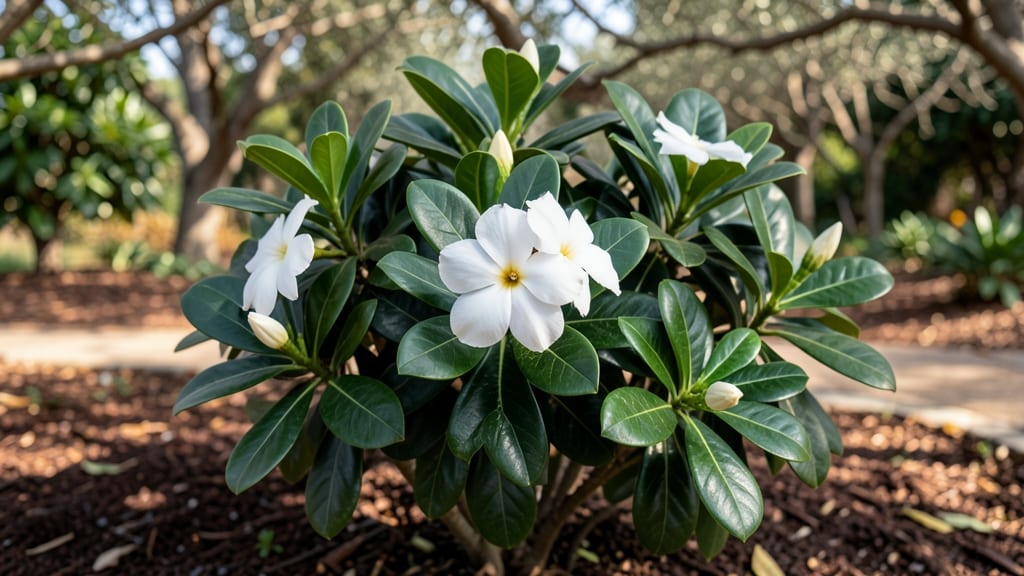
Gardenias bloom between late spring and early summer, typically May through July, though timing varies by climate zone—warmer regions may see blooms as early as April, while cooler areas could delay flowering until August. Proper sunlight and humidity also influence bloom cycles.
Gardenias are sensitive to temperature shifts, so their bloom windows adjust based on your local climate. 🌸 In the South, where winters are mild, you might spot those fragrant white flowers as early as March, while Northern gardeners often wait until June or July.
The key is avoiding late frosts—gardenias need consistent warmth to trigger blooming, which is why coastal areas often get a head start compared to inland regions.
What many growers don't realize is that humidity plays just as big a role as temperature. These tropical plants thrive in 60-70% humidity, and dry air can delay blooming or cause buds to drop before opening.
I've seen gardenias in arid climates struggle to flower until I added a simple pebble tray with water beneath their pots—it made all the difference in their bloom timing.
For container gardeners, timing gets even trickier since pots dry out faster and can't regulate temperature like in-ground plants. Moving pots to shaded areas during afternoon heat helps prevent stress, while mulching the soil keeps roots consistently moist—both small tweaks that can shift bloom cycles by weeks.
💡 In This Article
- Climate Zones and Gardenia Bloom Timing
- Tips to Encourage Early or Prolonged Gardenia Blooms
Climate zones and gardenia bloom timing
Gardenias are tropical plants at heart, so their bloom cycles are directly tied to temperature thresholds. In USDA Zone 10 (like Southern California or Florida), where winters rarely drop below 40°F, gardenias often begin blooming as early as March or April.
The consistent warmth allows buds to form without dormancy periods. Meanwhile, in Zone 8 (think Atlanta or Dallas), blooms typically start in late April to May as temperatures stabilize above 55°F at night.
Cooler zones like Zone 7 (Washington D.C. or Denver) push bloom windows later, usually June to early July, because gardenias need at least 60 days of temperatures above 60°F to trigger flowering.
The risk of late frosts (28°F or below) is another critical factor—even a single frost can kill buds or damage new growth.
In my own garden in Zone 7a, I've seen gardenias bloom in late June after a particularly warm spring, but a cold snap in May can delay flowering by 3-4 weeks.
Humidity creates another layer of variation. Gardenias thrive in 60-70% relative humidity, and regions with dry air (like Zone 9b in Arizona) often see delayed blooms unless growers add moisture.
I once grew a gardenia in Phoenix and noticed buds forming 2 weeks later than identical plants in Houston—the difference was 30% lower humidity. Coastal areas benefit from natural ocean moisture, while inland gardens may need misting systems or pebble trays to mimic these conditions.
Light exposure also plays a subtle but important role. Gardenias need 6-8 hours of bright, indirect light daily, but too much direct afternoon sun (common in Zone 10) can stress plants and delay blooming.
In Southern California, I've seen gardenias bloom earlier in shaded patios than those planted in full sun, because the roots stay cooler and more consistent in temperature. This is why container gardeners in hot climates often place plants under 30% shade cloth during peak summer months.
One surprising factor is soil temperature. Gardenia roots prefer soil that stays between 65-75°F, and cooler ground temperatures (like in Zone 6) can slow root activity enough to delay blooming.
In Northern Virginia, I've used black plastic mulch to warm the soil by 5-10°F in early spring, which helped gardenias bloom 3 weeks earlier than unmulched plants. The mulch traps heat while retaining moisture—two critical factors for tropical plants in transitional climates.
For gardeners in Zone 5 or colder, gardenias can only bloom as container plants, and timing becomes even more precise. These plants must be brought indoors before first frost (usually October in most Northern areas), which disrupts their natural cycle.
I've found that moving potted gardenias to a sunny indoor spot with 50% humidity (using a humidifier) helps maintain bloom cycles, though flowers may be smaller and less frequent than outdoor-grown specimens. 🌿