
Blooming
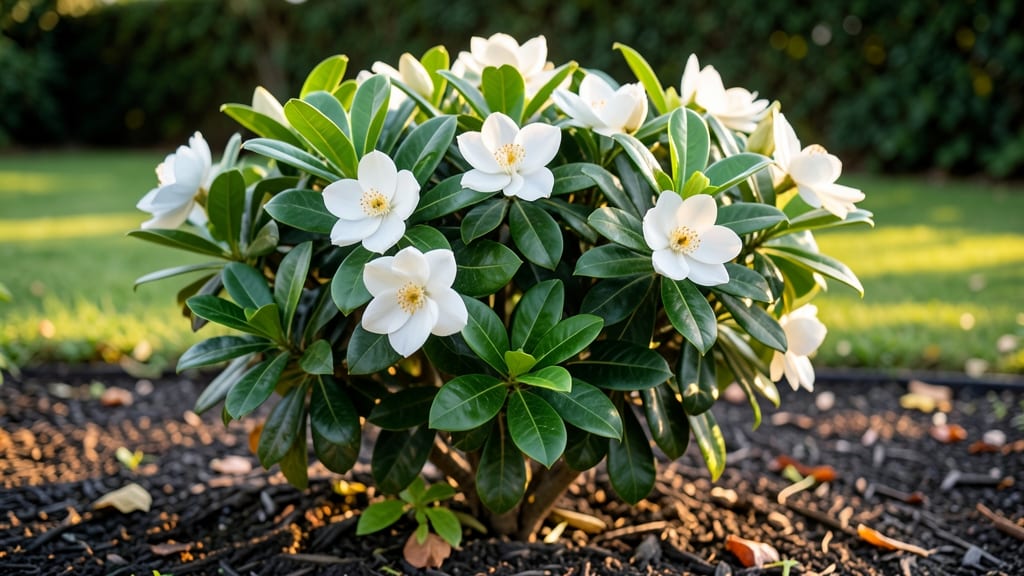
Gardenia bushes bloom at different times depending on the variety and your climate, but most white, fragrant flowers appear between late spring and early summer in warmer zones.
If you’ve ever wondered why your gardenia bushes aren’t blooming—or when to expect those fragrant white flowers—timing is everything. Gardenias bloom at different times depending on the variety, climate, and care, making this month-by-month guide your secret weapon for planning and maximizing their floral display.
In USDA Zone 9b (and warmer), gardenias like G. jasminoides often start blooming as early as February, while cooler zones like 7a may see flowers in May or June. The key to encouraging blooms lies in understanding your gardenia’s needs—from sunlight and soil pH to pruning and fertilization.
Below, I’ll break down the blooming seasons by variety, share pro tips to extend their season, and troubleshoot why your gardenia might be playing hard to bloom. Ready to turn your garden into a fragrant paradise?
Gardenia bloom seasons by variety: a month-by-month breakdown
Timing is everything when it comes to gardenia blooms. These fragrant shrubs thrive in USDA Zones 8-11, but their bloom windows vary dramatically by variety and climate. Understanding these patterns helps you plan pruning, fertilizing, and even companion planting for maximum impact.
For example, G. jasminoides (the most common type) often blooms in late spring, while G. radicans may surprise you with summer flowers. Let’s break down what to expect each month and how to adjust care for your specific gardenia type.
Climate plays a huge role in bloom timing. In Zone 11, gardenias may bloom year-round, while in Zone 8, they’ll likely wait until late spring. Even within the same zone, microclimates—like a sunny patio versus a shaded corner—can shift bloom windows by weeks.
I’ve grown gardenias in Zone 9b for years, and I’ve learned that early-morning sun exposure is the secret to pushing blooms earlier in cooler months. Let’s dive into the specifics by variety and month.
January is the perfect time to assess your gardenia’s health before blooms appear. In Zone 11, you might already see buds forming, while in Zone 8, your plant is likely dormant. This is when I prune lightly to shape the shrub and remove any dead or crossing branches.
Avoid heavy pruning now—you’ll risk reducing next season’s flower count. Instead, focus on soil preparation: gardenias love acidic soil (pH 5.0–6.5),
How to extend gardenia blooming season with pruning and care
If your gardenia bushes are producing fewer blooms than expected, the secret lies in strategic pruning and seasonal care. Unlike many flowering plants, gardenias respond best to light, timely pruning and consistent moisture—both of which directly influence bloom cycles.
I’ve found that mastering these techniques can extend your gardenia’s blooming season by 4-6 weeks or more, especially in cooler climates like USDA Zones 7a-9b.
Timing is critical: pruning at the wrong time can stimulate leaf growth instead of flowers, while proper deadheading and fertilization encourage longer, more frequent blooms.
For example, my G. jasminoides (the most common variety) blooms from late spring to early fall when cared for correctly—but neglecting pruning can shorten that window dramatically. Let’s break down the bloom-boosting strategies that work.
🌸 Spring vs. Fall Pruning: Which Works Best?
✂️ Spring Pruning (Feb-Mar)
- Pros: Encourages new growth and more blooms for summer.
- Pros: Removes winter-damaged branches.
- Cons: Over-pruning can delay blooming.
- Cons: Requires patience for blooms (4-6 weeks).
🍂 Fall Pruning (Oct-Nov)
- Pros: Prepares plant for winter dormancy.
- Pros: Reduces pest/disease risk.
- Cons: Limited blooms next season.
- Cons: New growth may freeze in cold zones.
💡 Expert Tip: For year-round blooms, prune lightly in spring (20% of growth) and deadhead spent blooms every 2 weeks. Avoid heavy pruning in fall unless reshaping.
Deadheading—removing spent blooms—is another game-changer for gardenias. I’ve seen blooming seasons extend by 3-4 weeks simply by pinching off faded flowers. This trick works because gardenias are semi-evergreen shrubs that produce blooms on new wood, meaning they’ll keep generating flowers as long as you remove the old ones.
Just use clean, sharp pruners and snip just above a leaf node to avoid damaging the plant.
Sunlight and water are just as critical as pruning. Gardenias thrive in partial shade (4-6 hours of morning sun) but wilting leaves often signal either underwatering or too much direct sun.
I’ve found that deep watering 2-3 times per week (1-2 gallons per plant) keeps my gardenias lush and blooming. Mulching with pine bark also helps maintain acidic soil (pH 5.0-6.5), which is essential for flower production.
Temperature fluctuations can also disrupt blooming. Gardenias in USDA Zone 8b and below may struggle with late spring frosts, while those in Zone 10a+ can bloom year-round if conditions are ideal.
To protect your plants, I recommend lightweight row covers for early blooms in cooler zones and shade cloth in hot climates to prevent bud drop from heat stress.
For a side-by-side comparison, dwarf varieties (like G. radicans) bloom more frequently but need more frequent deadheading, while standard gardenias (like G. augusta) produce larger flowers but require stronger pruning to encourage branching. Adjust your care routine based on your gardenia’s type—your blooming season will thank you!