
Planting
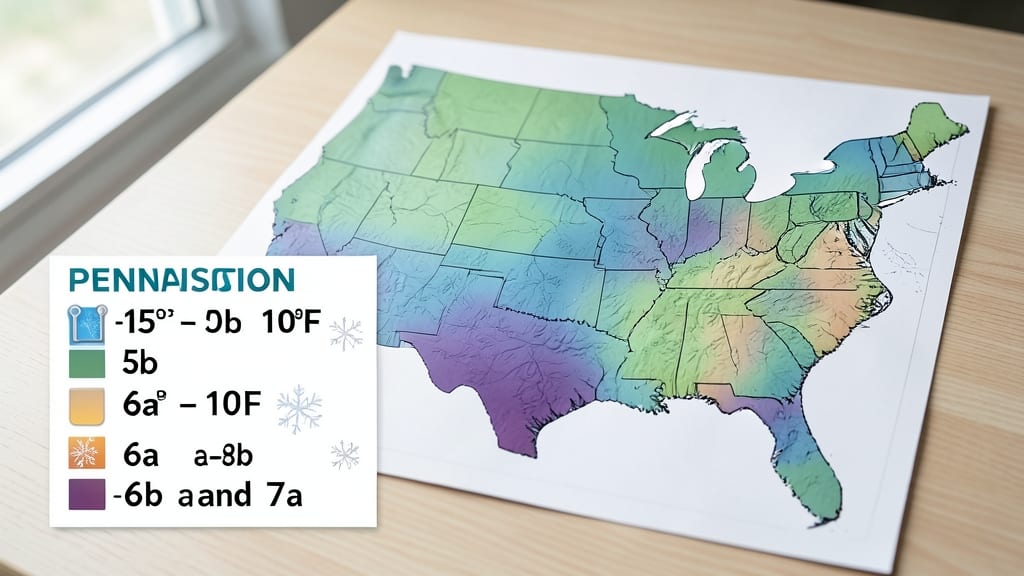
Pennsylvania's gardening zones range from USDA Zone 5b in the northern mountains to Zone 7a in the southernmost regions, with most areas falling between Zones 6a and 6b. This variety supports everything from hardy perennials to fruit trees.
Understanding Pennsylvania's gardening zones helps you choose plants that thrive in your specific climate. The state's varied geography—from the cool Appalachian foothills to the warmer southeastern plains—creates microclimates that can shift zones by as much as two levels.
For example, Pittsburgh's urban heat island effect can push it into Zone 6b, while rural areas in the Poconos might stay in Zone 5b. 🌿 This means checking your exact location on the USDA Plant Hardiness Zone Map is key to successful gardening.
Zone 6a and 6b dominate Pennsylvania, allowing gardeners to grow cold-resistant plants like peonies, hydrangeas, and apple trees. However, Zone 5b's colder winters demand extra protection for tender species, while Zone 7a's milder climate extends the growing season.
Always consider elevation—higher areas (like the Alleghenies) can be 3-5°F colder than valley floors.
💡 In This Article
- How Pennsylvania’s Climate Shapes USDA Gardening Zones
- Best Plants for Pennsylvania’s Mixed Hardiness Zones
How Pennsylvania’s climate shapes USDA gardening zones
Pennsylvania’s gardening zones reflect its dramatic climate contrasts. The state’s latitude stretches from 41.2°N (southern tip) to 42.4°N (northwest corner), creating a 300-mile temperature gradient that shifts zones by up to two levels.
For example, the Poconos Mountains in the northeast average 10-15°F colder than Philadelphia in winter, pushing them into Zone 5b where minimum winter temperatures dip to -15°F to -10°F. Meanwhile, southern Pennsylvania’s Zone 7a sees winters rarely dropping below 0°F, allowing subtropical plants like camellias to thrive.
The Appalachian Plateau and Allegheny Mountains add another layer of complexity. Elevation changes of just 1,000 feet can create 5°F temperature differences—critical for plants with narrow hardiness ranges.
Take Pittsburgh (Zone 6b) versus Erie (Zone 5b): the city’s urban heat island effect raises nighttime temperatures by 3-5°F compared to rural areas, extending the growing season by 10-14 days.
This urban microclimate allows gardeners in Pittsburgh to grow Zone 7 plants like Japanese maples with winter protection, while nearby farmland may struggle with the same species.
Seasonal extremes matter more than average temperatures. Pennsylvania’s winter lows determine plant survival—Zone 5b’s -15°F threshold means hydrangeas (Zone 4) will survive, but oleanders (Zone 8) will die back to the ground. Meanwhile, Zone 7a’s milder winters (0°F average low) let camellias and magnolias bloom reliably.
The state’s humidity variations also play a role: Western PA’s drier climate suits drought-tolerant lavender, while the eastern humid zone favors moisture-loving hostas.
Local topography creates hidden gardening opportunities. South-facing slopes in Zone 6a can be 5-7°F warmer than north-facing yards, letting gardeners push Zone 7 plants like dwarf fountain grass into sunnier spots. Conversely, valleys often collect cold air, creating Zone 5 microclimates even in Zone 6 counties.
This is why USDA’s interactive map (which uses 1991-2020 climate data) recommends checking your exact address—not just your county—for precise zone info.
Climate change is also reshaping Pennsylvania’s zones. Since 2012, average winter lows have warmed by 2-3°F statewide, pushing some Zone 6a areas toward Zone 6b conditions. In Philadelphia, Zone 7a now supports Zone 8 plants like dwarf palmetto in sheltered microclimates.
However, late spring frosts (common in April-May) remain a risk for tender species, even in Zone 7a.
For practical gardening, this means layering plants by hardiness. In Zone 6b, pair Zone 5 perennials (like coneflowers) with Zone 7 shrubs (like abelia)—the perennials provide winter interest, while the shrubs offer summer structure.
Mulching with 3-4 inches of straw can extend cold tolerance by 2-4°F, helping Zone 6 plants survive Zone 5 winters.