
Light Requirements
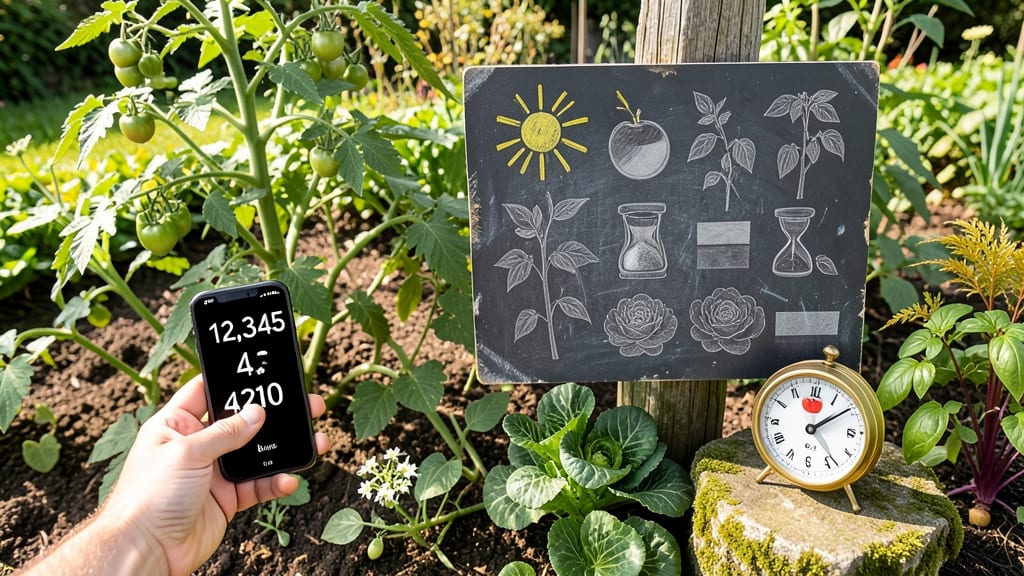
A vegetable garden needs how much sun does a vegetable garden need—typically 6 to 8 hours of sunlight daily—to thrive, though some crops like leafy greens can handle less.
If your tomatoes or peppers are struggling, it’s likely not getting enough light, and that’s a common mistake even experienced gardeners make.
Most gardeners overestimate how much sun their yard really gets. A south-facing spot might seem perfect, but trees, buildings, or even afternoon clouds can cut exposure by half. Without the right placement, you’re left with leggy plants, bitter flavors, and wasted space.
In this guide, you’ll learn the exact sunlight needs for every major crop, how to measure sunlight in your garden, and simple tricks to maximize what you’ve got—whether you’re working with a sunny backyard or a shady corner.
No more guessing whether your 🥕 garden is getting enough light. By the end, you’ll know exactly where to plant each vegetable for the best harvest—and how to fix it if things aren’t growing like they should.

Sunlight requirements for vegetable crops by type: full sun vs partial shade
Sunlight is the lifeblood of your vegetable garden—without enough, your plants won’t thrive. But not all vegetables need the same amount of light. Full-sun crops like tomatoes and peppers demand 6+ hours of direct sunlight, while shade-tolerant greens like spinach can handle just 3 hours or less.
Understanding these needs prevents wasted space and poor yields.
Most gardeners mistakenly assume all vegetables need full sun, but this leads to stunted growth or bitter flavors in shade-loving crops. For example, lettuce bolted to seed when exposed to too much heat and light.
Let’s break down the exact requirements so you can place every plant in its perfect spot.
🌱 Key Takeaway: Matching sunlight to your crops maximizes yield and flavor. A well-planned garden balances sun-lovers with shade-tolerant varieties for year-round productivity.
| Crop Type | Sunlight Needs | Growth Impact | Best For |
|---|---|---|---|
| Full Sun (6+ hours) | Tomatoes, Peppers, Cucumbers, Corn, Eggplant | Max yield, sweet flavor, strong stems | South-facing beds, raised beds |
| Partial Sun (3-6 hours) | Bush Beans, Carrots, Beets, Swiss Chard | Moderate growth, avoids bolting | East/west beds, dappled shade |
| Shade-Tolerant (<3 hours) | Lettuce, Spinach, Kale, Radishes, Green Onions | Prevents bolting, tender leaves | North-facing beds, under trees |
🌿 Pro Tip: Use reflective mulch (like white gravel) to boost light for shade crops by 10-15%.
Full-sun vegetables like tomatoes and peppers thrive with 6+ hours of direct sunlight daily. Without enough light, they produce smaller fruits, weaker stems, and less flavorful harvests. These crops also need warmth, so south-facing beds are ideal—especially in cooler climates.
Partial-sun plants like bush beans and carrots tolerate 3-6 hours of sunlight, making them perfect for morning sun spots or areas with afternoon shade. Too much heat can cause bolting (premature flowering) in leafy greens, reducing their harvestable yield.
Shade-tolerant crops such as lettuce and spinach actually bolt (go to seed) when exposed to too much sun and heat. These greens prefer cool conditions and 3 hours or less of direct light. Plant them in north-facing beds or under dappled shade from trees.
Seasonal adjustments are critical. In summer, afternoon shade can protect heat-sensitive crops like cucumbers from wilting. Meanwhile, winter sunlight is weaker, so move shade-loving crops to sunnier spots during colder months to maintain growth.
If your garden has limited sunlight, prioritize shade-tolerant crops for containers or north-facing areas. Use light-colored containers to reflect extra sunlight, and consider vertical gardening with trellises to maximize space for sun-loving vines like cucumbers or squash.
🌞 Warning: Avoid planting full-sun crops in shady spots—they’ll produce bitter, misshapen fruits and may even fail to fruit entirely. Always match your plants to their light requirements!
How to measure sunlight in your garden and adjust plant placement
Measuring sunlight in your garden isn’t just about guessing—it’s the foundation for a thriving vegetable patch. I’ve learned the hard way that 6 hours of sun for tomatoes isn’t the same as 3 hours for lettuce, and misjudging can mean wasted space or struggling plants.
Start by observing your yard from sunrise to sunset, noting which areas get morning light, afternoon shade, or full-day sun.
Don’t rely on memory—use a sunlight journal or app like SunCalc to track exposure patterns. I mark my garden grid with stakes and record sunlight hours for each zone.
This helps me spot microclimates—like the shady corner near the fence or the hot spot by the brick wall—where plants behave differently than expected.
- 🌞 Full Sun (6+ hours): Perfect for tomatoes, peppers, and cucumbers—place these in the south-facing areas where sunlight hits strongest.
- ☀️ Partial Sun (3-6 hours): Ideal for greens like spinach or Swiss chard—these thrive in morning sun with afternoon shade to prevent bolting.
- 🌳 Partial Shade (2-3 hours): Reserve for lettuce, radishes, or herbs like cilantro, which wilt in hot afternoon sun.
- 🌿 Deep Shade (<2 hours): Only for shade-loving crops like arugula or bok choy—use under fruit trees or near north-facing walls.
- 📏 Adjust with containers: Move potted plants like basil or peppers to follow the sun’s arc for consistent light exposure.
Once you’ve mapped your garden, group plants by their light needs to maximize space. I place tall sun-lovers like corn or sunflowers on the north side of shorter crops to avoid shading them.
For shade-loving plants, I use companion planting—pairing lettuce with bush beans, which provide dappled shade as they grow.
Seasonal shifts matter too. In summer, my garden gets intense afternoon sun, but in winter, the same spot might only get 4 hours. I adjust by rotating crops or using seasonal shade cloth for heat-sensitive plants like peas. This flexibility keeps my garden productive year-round without overcrowding.
Pro tip: Use a sunlight meter or even a lux meter app to measure exact light levels. I’ve found that my "shady" corner still gets 3 hours of direct sun—enough for partial-shade crops but not full-sun plants. This precision saves me from trial-and-error failures.
Finally, don’t forget to monitor plant health. Yellowing leaves on tomatoes? They might need more sun. Leggy, pale basil? It’s craving afternoon light. By adjusting placement based on real-time feedback, I’ve turned my garden into a high-efficiency system where every square foot counts. 🌱