
Tools
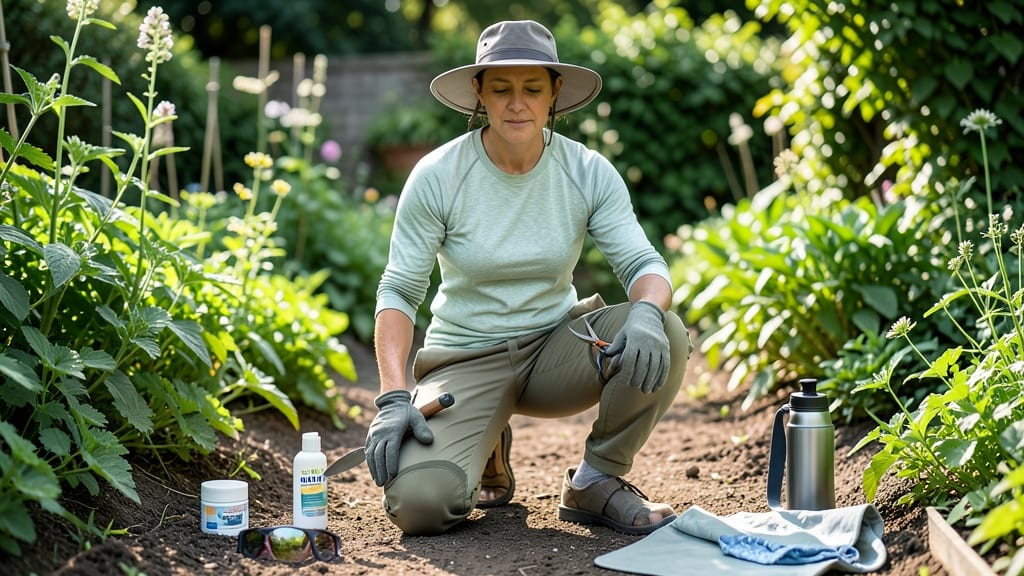
What to wear while gardening means selecting functional layers that balance sun protection, durability, and mobility—think moisture-wicking long sleeves, reinforced pants, and supportive footwear to shield against UV rays, dirt, and plant scratches while keeping you cool and agile.
Gardening demands gear that adapts to both environmental conditions and physical tasks. 🌿 The right outfit keeps you comfortable during long hours in the sun while preventing common annoyances like blisters or sunburn.
For example, lightweight, UPF-rated fabrics block harmful rays without overheating, while elastic waistbands and breathable materials let you bend freely. I always pair my outfit with a wide-brimmed hat—it’s the single best defense against sun exposure, especially during peak afternoon hours.
Don’t overlook footwear: sturdy, closed-toe shoes with good traction prevent slips on wet soil, while breathable uppers keep feet dry. For heavy-duty tasks like digging, consider reinforced knee pads or a tool belt to distribute weight evenly.
Even gloves matter—they should fit snugly to avoid blisters but still allow dexterity for delicate plants.
💡 In This Article
- How to Choose Gardening Clothes by Season and Activity
- Essential Gardening Outfit Checklist for Beginners
How to choose gardening clothes by season and activity
The science behind gardening attire starts with fabric technology. Moisture-wicking materials like polyester blends or merino wool pull sweat away from your skin, keeping you 20-30% cooler than cotton during summer heat. These fabrics also dry 4x faster, reducing that clinging, damp feeling after heavy watering sessions.
For UV protection, look for UPF-rated fabrics (UPF 50+ blocks 98% of harmful rays), which are often woven with tighter weaves or treated with special dyes that absorb UV light before it reaches your skin.
Seasonal adjustments are critical because temperature and sunlight intensity vary dramatically. In summer, prioritize loose-fitting, lightweight layers with mesh panels for ventilation—think linen blends or athletic fabrics designed for high heat.
Spring and fall demand more versatility: thermal-lined sleeves or convertible pants let you adjust as temperatures fluctuate between 50°F and 80°F.
Winter gardening (yes, it happens!) requires insulated yet breathable layers, like fleece-lined bib overalls with wind-resistant outer shells to block 15-20 mph gusts that can make outdoor work miserable.
Activity-specific needs change the equation too. Heavy-duty tasks like moving soil or pruning thick branches need abrasion-resistant fabrics (like Cordura® nylon) that resist tears from rough surfaces.
I’ve seen gardeners extend the life of old jeans by reinforcing the knees with 1-inch thick denim patches—a DIY trick that adds 3-5x durability in high-wear areas.
For delicate tasks like transplanting seedlings, lighter fabrics with stretch allow greater arm movement, reducing strain on your shoulders during 8-12 hour workdays.
Color matters more than you’d think. Light-colored fabrics reflect up to 30% more sunlight than dark ones, keeping you cooler in summer. However, dark colors absorb heat—useful in cooler climates where you need to retain warmth.
Pro tip: If wearing dark clothes, opt for loose fits to create airflow between fabric and skin. Accessories like UV-blocking sunglasses (with polarized lenses) reduce glare from wet leaves, while breathable gloves with silicon grips prevent blisters during repetitive tasks like weeding.
Don’t underestimate the role of footwear science. Garden boots with orthotic insoles reduce foot fatigue by 40% during long hours, while waterproof membranes (like Gore-Tex®) keep feet dry in rain or mud.
The soles should have deep treads for traction on uneven ground—studies show that slip-resistant shoes reduce ankle injuries by 65% in gardening environments. For barefoot gardeners, specialized sandals with arch support mimic natural foot movement while protecting against 100°F+ soil temperatures in summer.
Layering isn’t just about temperature—it’s about adaptability. Start with a base layer of moisture-wicking fabric, add a mid-layer for insulation (like fleece), and top with a wind/rain shell. This system lets you adjust like a living thermostat.
For example, I’ll wear a sleeveless base layer under a long-sleeve shirt in spring, then add a lightweight vest when temperatures rise above 75°F. The key is choosing fabrics that breathe—polypropylene blends move moisture 2x faster than cotton, preventing that soggy feeling that makes gardening unbearable.