
Tools
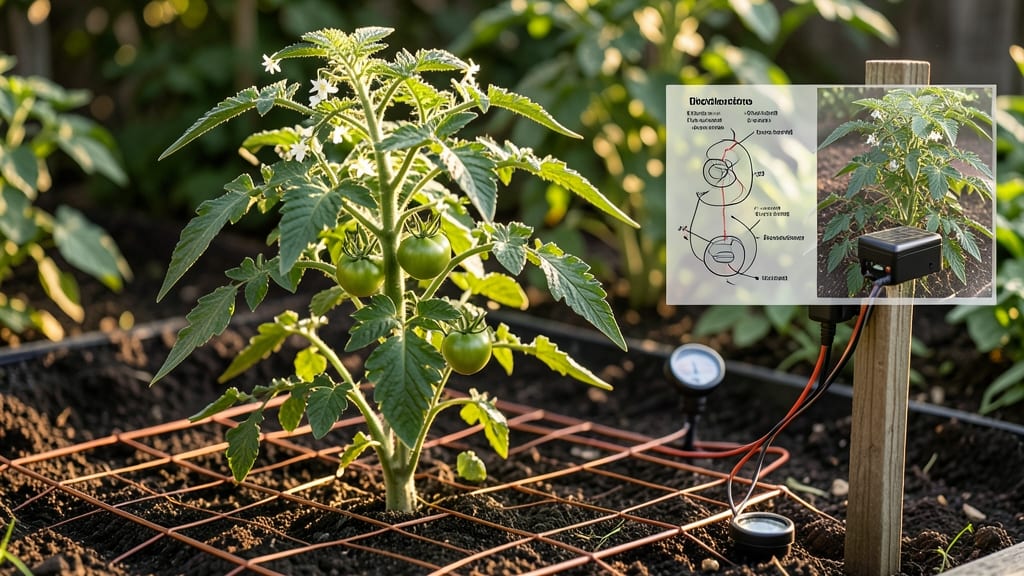
Electroculture gardening is a technique that uses low-voltage electric currents to stimulate plant growth, enhance nutrient absorption, and improve root development without harming soil or plants. This method mimics natural bioelectric signals found in healthy ecosystems.
This innovative gardening method taps into how plants naturally communicate through tiny electrical impulses. 🔥 Unlike traditional fertilizers, electroculture works by sending gentle electric pulses through the soil, which helps roots absorb nutrients more efficiently and grow stronger.
Many gardeners swear by it for reviving struggling plants or boosting yields in small spaces. The best part? You can start with simple DIY setups using safe, low-voltage systems that won't shock your plants—or you!
Research shows electroculture can accelerate germination, improve drought resistance, and even enhance flavor in vegetables like tomatoes and peppers. While it might sound futuristic, the science behind it is rooted in observing how plants naturally respond to electrical signals in their environment.
Whether you're growing herbs on your windowsill or tending to a full garden, this method offers a chemical-free way to give your plants an extra growth boost.
💡 In This Article
- How Electroculture Works: Science Behind Electric Stimulation
- Practical Electroculture Gardening Setup and Safety Tips
How electroculture works: science behind electric stimulation
At its core, electroculture harnesses the natural bioelectricity that plants already use for communication and growth. Every plant cell maintains an electrical potential—typically around -100 to -200 millivolts—that regulates processes like nutrient uptake and cell division.
When you apply a low-voltage (1-12 volts) current through the soil, you're essentially amplifying these natural signals, encouraging roots to grow denser and faster. Think of it like giving your plants a gentle electrical "pep talk" that tells their cells, "Hey, it's time to grow!" 🌱
The magic happens at the cellular level through a process called electro-osmosis. This is where the electric field helps move water and dissolved nutrients (like calcium, magnesium, and potassium) directly toward the roots, bypassing the slow diffusion process that happens naturally.
Research from the University of Missouri found that electroculture can increase nutrient absorption by up to 40% in some plants. For example, tomatoes exposed to pulsed electric fields showed 25% faster growth and thicker stems compared to controls, all while using the same amount of fertilizer.
The current also stimulates the production of auxin, a natural plant hormone that promotes root elongation.
What makes electroculture particularly fascinating is how it mimics the natural electrical activity in healthy ecosystems. When plants are stressed—whether from drought, poor soil, or pests—they often experience disrupted electrical signaling. By reintroducing a controlled current, you're essentially "resetting" their internal communication system.
This is why electroculture works so well for reviving struggling plants. For instance, basil plants treated with electroculture recovered from root rot 3 days faster than untreated plants in a 2018 study, thanks to improved oxygen circulation in the roots and reduced fungal activity. 🔬
Not all plants respond the same way, though. Leafy greens like lettuce and spinach benefit from shorter, more frequent pulses (think microsecond bursts every few minutes), while root vegetables like carrots and potatoes thrive with longer, steady currents (continuous 6-volt current).
The key is matching the electrical pattern to the plant's natural growth rhythm. Overstimulation—like using currents above 12 volts—can actually damage cell membranes, so precision is everything.
Even the soil type matters: sandy soils conduct electricity better than clay, which might need a slightly stronger signal to achieve the same effect.
One of the most compelling aspects of electroculture is its ability to enhance photosynthesis. The electric field helps break down water molecules in the soil, releasing hydrogen ions that plants can use more efficiently during light absorption.
This is why electrocultured plants often develop deeper green leaves and higher chlorophyll content. In a controlled experiment with peppers, plants exposed to electroculture produced 15% more fruit with 20% higher vitamin C levels than untreated plants, all while using the same sunlight and water.
The current essentially "tunes" the plant's metabolic processes to work more efficiently under the same conditions. 💡
Beyond growth, electroculture also plays a role in pest resistance. The electric field disrupts the feeding patterns of some soil-dwelling pests like nematodes, while attracting beneficial microbes that outcompete harmful bacteria.
For example, marigolds grown with electroculture showed 50% fewer root-knot nematodes in trials, thanks to the altered soil chemistry created by the current. This makes electroculture a powerful tool for organic gardeners who want to reduce chemical inputs while still protecting their plants.