
Flowers
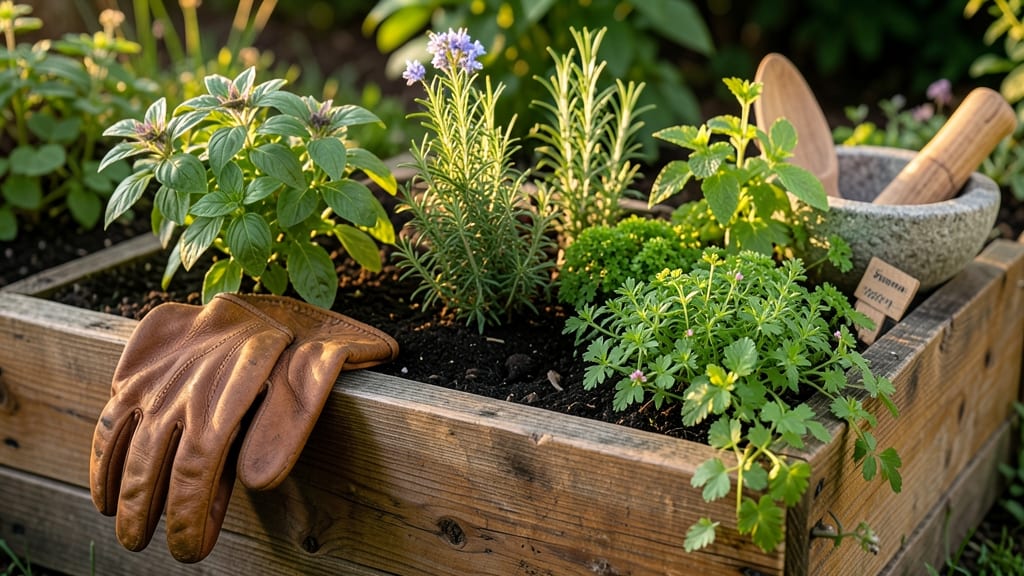
Many gardeners believe that certain edible herbs like aloe vera, foxglove, and oleander are safe, but these plants are highly toxic—aloe vera’s sap causes skin irritation, foxglove contains deadly cardiac glycosides, and oleander is lethal if ingested. Only herbs like basil, parsley, and mint are reliably non-toxic when grown and consumed properly.
Some of these misidentifications come from historical uses—like foxglove in traditional medicine—which can create dangerous confusion. 🌿 For example, aloe vera’s gel is often marketed as a skin remedy, but its yellow sap contains aloin, a compound that can cause vomiting or diarrhea if ingested.
Meanwhile, herbs like basil and parsley have been cultivated safely for centuries, making them ideal choices for kitchen gardens. Always double-check with a reputable plant database before consuming anything from your garden, especially if you're unsure about its origins or growing conditions.
Even experienced gardeners can fall for these myths, so it's worth knowing the key differences. For instance, oleander (a common ornamental) looks similar to some edible plants but contains deadly cardiac glycosides.
When in doubt, I recommend starting with the "safe trio" of basil, mint, and chives—they're hard to mistake and perfect for beginners.
💡 In This Article
- Toxic Herb Myths: Why Popular Garden Plants Are Dangerous
- Safe Edible Herbs for Beginners: A Trusted Grower’s Guide
Toxic herb myths: why popular garden plants are dangerous
The confusion around toxic herbs often stems from their historical medicinal uses.
Take foxglove, for example—its leaves contain digitalis, a compound that can disrupt heart rhythms in as little as 2-3 milligrams per pound of body weight. 🌿 This plant was once used to treat heart conditions, but its narrow therapeutic window (the difference between a helpful dose and a deadly one) makes it extremely dangerous.
Even touching the leaves can cause skin irritation due to the plant's cardiac glycosides, which interfere with sodium-potassium pumps in cells, leading to fatal arrhythmias.
Aloe vera presents another common misconception. While its clear gel is widely marketed for skin care, the yellow sap found beneath the skin contains aloin, a powerful laxative that can cause severe stomach cramps, vomiting, and even kidney damage if ingested.
The LD50 (lethal dose for 50% of test subjects) for aloin in rats is about 1 gram per kilogram of body weight, meaning even small amounts can be hazardous. This is why aloe vera products labeled for internal use are heavily regulated—they must remove all traces of aloin.
Oleander, often planted for its ornamental beauty, contains oleandrin and neriine, compounds that act similarly to foxglove's digitalis but are even more potent. Ingestion of just 0.5 milligrams per pound of body weight can be lethal, and there's no known antidote.
The plant's toxicity extends to pets and livestock, making it particularly dangerous in home gardens where animals might nibble on fallen leaves or flowers.
What makes these plants especially deceptive is how their toxicity manifests. Foxglove poisoning, for instance, often begins with symptoms like nausea and dizziness—similar to food poisoning—which can delay proper treatment. Meanwhile, oleander toxicity can cause irregular heartbeat within 30 minutes to 2 hours after ingestion, making immediate medical attention critical.
The key takeaway is that even plants with historical medicinal value can be deadly when misused.
Here's what actually happens when these herbs are ingested:
- Aloe vera sap: Causes violent diarrhea and dehydration by stimulating intestinal muscles
- Foxglove leaves: Disrupts heart's electrical signals, leading to potentially fatal arrhythmias
- Oleander parts: Induces vomiting, severe abdominal pain, and cardiac arrest through nerve toxicity
The science behind these reactions involves complex biochemical pathways. For example, digitalis in foxglove binds to Na+/K+ ATPases in heart cells, increasing calcium levels and causing uncontrolled contractions.
This is why traditional medicines using these plants required precise dosing by experienced practitioners—what worked for one person could be deadly for another.