
Pests
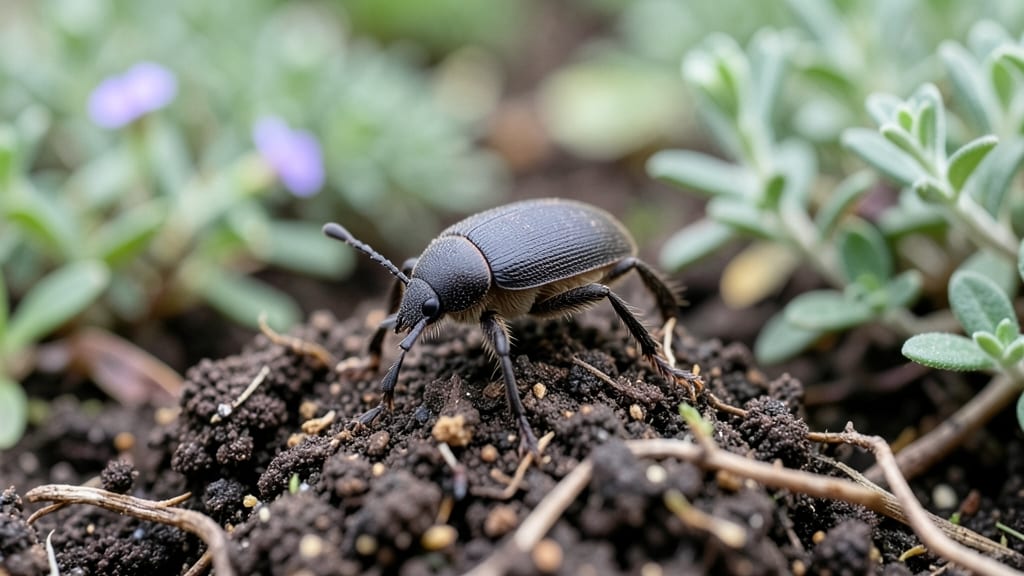
When moles grow in a garden, they aerate soil through tunneling—boosting root growth and drainage—but their burrows can uproot seedlings and damage irrigation systems.
Moles play a surprisingly complex role in garden ecosystems. Their tunneling naturally loosens compacted soil, allowing roots to spread more easily and improving water absorption. 🌱 However, their underground networks can destabilize young plants and create surface mounds that smother emerging seedlings.
The key is balancing their soil-aerating benefits with protective measures to safeguard your garden's most vulnerable stages.
While their digging helps long-term soil health by preventing compaction, their presence often creates visible mounds that disrupt planting beds. Many gardeners find that strategic placement of repellent plants or exclusion tunnels can encourage moles to work in less critical areas while preserving your garden's productivity.
Understanding their behavior—like their preference for grubs and worms—helps you implement targeted solutions. For example, maintaining healthy lawns with natural predator populations can reduce mole attraction without harsh chemicals. The goal isn't elimination but creating a garden where their tunneling benefits outweigh their potential damage.
💡 In This Article
- How Mole Tunneling Benefits and Harms Garden Soil
- Natural and Humane Mole Control for Healthy Gardens
How mole tunneling benefits and harms garden soil
Moles create extensive tunnel systems that serve as natural soil aerators. Their burrows extend 10-12 feet deep and can cover 15-20 feet per mole over a season, breaking up compacted layers that restrict root growth.
This tunneling increases soil porosity by up to 30%, allowing oxygen, water, and beneficial microbes to penetrate deeper—critical for plants struggling in dense, clay-heavy soils. 🌱 The result? Roots grow 20-30% faster in aerated zones compared to compacted soil.
The flip side involves surface mounds—each mole pushes 5-10 pounds of soil per day to create escape tunnels, leaving 3-6 inch-high mounds that smother seedlings and disrupt irrigation. These mounds also create uneven terrain, making it difficult for water to evenly distribute during irrigation.
The tunneling itself can sever young roots or destabilize shallow plantings, particularly in vegetable gardens where crops like carrots or radishes need stable soil for uniform growth.
Consider the texture contrast: aerated soil feels light and crumbly, almost like freshly tilled garden beds, while mole-damaged areas show visible gaps where roots might have been severed. The visual difference is striking—healthy soil holds its structure when squeezed, while mole-touched soil collapses easily.
This physical disruption explains why gardeners often see wilting plants or poor germination in areas with active mole tunnels. 💫
Moles target areas with high insect activity, particularly grubs and worms, which means their tunneling often concentrates in lawns or garden edges where organic matter is abundant.
This creates a paradox: while they improve soil in some zones, their selective digging can create patchy conditions where plants thrive in aerated areas but struggle in compacted ones.
The key lies in their selective feeding patterns—they avoid areas with strong-smelling plants like daffodils or castor beans, which can be used strategically.
For example, a 10x10-foot garden bed might see 3-5 surface mounds per week during peak mole activity (spring and fall). Each mound disrupts 1-2 square feet of planting space, forcing gardeners to either replant or accept uneven growth.
The trade-off becomes clear: while their tunneling benefits long-term soil health, their surface activity creates immediate challenges for plant establishment. 🌿
Understanding this dual role helps gardeners implement targeted solutions. For instance, planting mole-repellent flowers along garden edges can redirect their tunneling to less critical areas, while strategic irrigation design (like drip systems) minimizes damage from surface mounds.
The goal is to harness their soil-aerating benefits while mitigating their disruptive surface activity.