
Fertilization
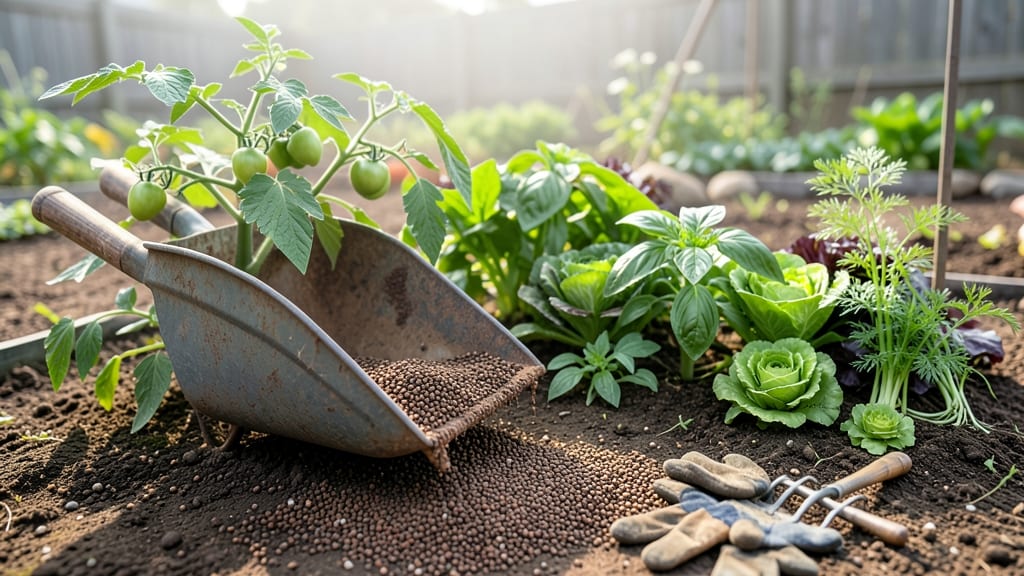
You should fertilize your garden every 4 to 6 weeks during the growing season — but that’s just the starting point, not a one-size-fits-all rule.
Picture this: you’re watering your tomatoes religiously, they’re growing fast, and then—suddenly—the leaves turn yellow and crisp at the edges. That’s not a drought, that’s over-fertilizing, and it happens to gardeners who skip the basics.
The truth is, vegetables, flowers, and lawns all have different hunger levels, and timing matters just as much as what you feed them.
Most gardeners make one of two mistakes: either they fertilize too little, leaving plants stunted and struggling, or they overdo it, burning roots and wasting money.
The key is reading your soil and your plants—spring is prime time for a balanced boost, but summer heat demands lighter touches, and fall and winter are for resting.
In this guide, I’ll break down the exact schedule for your General Garden Plants 🌱, whether they’re leafy greens, blooming annuals, or fruit-bearing shrubs, plus how to spot the signs when you’ve got it right (or terribly wrong).

Optimal fertilization frequency by plant type: monthly, biweekly, OR seasonal?
Fertilizing your garden isn’t a one-size-fits-all task—what works for fast-growing lettuce can harm slow-maturing roses. The key lies in understanding your plants' needs and matching them to the right fertilization schedule.
Overfeeding can lead to root burn or excessive foliage at the expense of blooms or fruit, while underfeeding starves plants of essential nutrients. Let’s break down the science-backed frequencies for your garden’s most common residents.
Most gardeners fall into two camps: those who fertilize too often (causing nutrient toxicity) and those who skip it entirely (leading to stunted growth). The truth? Your plant type, growth rate, and even fertilizer type (organic vs. synthetic) dictate the perfect timing.
For example, leafy greens like spinach thrive with biweekly feedings, while perennial flowers like daylilies prefer seasonal doses just once or twice a year.
Here’s the game-changer: a customized fertilization chart tailored to your garden’s unique mix of plants. Whether you’re growing vegetables, fruits, flowers, or maintaining a lush lawn, this guide ensures you’re feeding your garden just enough—no more, no less.
Plant Type
Fertilization Frequency
Best Fertilizer Type
Key Notes
Vegetables (Leafy Greens)
Every 2-3 weeks
Balanced (10-10-10) or Organic Compost
High nitrogen for leaf growth; avoid over-fertilizing before harvest.
Vegetables (Fruiting: Tomatoes, Peppers)
Every 3-4 weeks
High-Phosphorus (5-10-10) or Tomato-Specific
Phosphorus boosts flowering/fruiting; reduce nitrogen after fruiting begins.
Flowers (Annuals: Marigolds, Petunias)
Every 4-6 weeks
Slow-Release Granules or Organic Fish Emulsion
Focus on phosphorus for blooms; avoid late-season feeding.
Flowers (Perennials: Roses, Daylilies)
Seasonal: Spring & Early Summer
Organic Compost or Rose-Specific Fertilizer
Perennials store nutrients; fertilize lightly in spring, skip fall.
Fruit Trees (Young)
Every 6-8 weeks (Spring-Summer)
Slow-Release Granules or Organic Manure
Young trees need steady nutrients; avoid high nitrogen in fall.
Lawn (Cool-Season Grasses)
Every 4-6 weeks (Spring-Fall)
Slow-Release Nitrogen (e.g., 30-0-4)
Avoid fertilizing in winter or during drought; mow high for root health.
Herbs (Basil, Cilantro)
Every 3-4 weeks
Balanced (10-10-10) or Seaweed Extract
Herbs are light feeders; over-fertilizing causes bitter flavors.
Let’s dive deeper into why these schedules work. Fast-growing plants, like lettuce or basil, deplete soil nutrients quickly, so they need frequent, light feedings. Think of it like refueling a race car—small, regular top-ups keep it running at peak performance.
On the other hand, slow-growing perennials like lavender or orchids store nutrients in their roots and only need a seasonal boost in early spring.
Choosing between organic and synthetic fertilizers also impacts frequency. Organic options, like compost or worm castings, release nutrients slowly, so you’ll need to apply them more often (e.g., every 4-6 weeks) to maintain consistent levels.
Synthetic fertilizers, however, dissolve quickly, so they require less frequent but precise dosing—usually every 6-8 weeks. For example, a slow-release granular fertilizer can last up to 3 months, while a liquid organic feed might need reapplication
Seasonal fertilization schedule: when to feed for maximum growth
Timing your garden's fertilization is just as important as choosing the right fertilizer. Over-fertilizing in summer can burn roots during drought, while under-fertilizing in spring delays growth. The key is matching your feeding schedule to your plants' natural cycles and seasonal demands.
Most gardeners make the mistake of fertilizing year-round, but plants only need nutrients during active growth. Dormant seasons like winter and early spring require zero feeding. Let's break down the ideal schedule to keep your garden thriving without wasting resources.
-
🌱 Spring (March-May)
Apply balanced fertilizer at planting, then again in 4-6 weeks for vegetables and 8-10 weeks for perennials. -
☀️ Summer (June-August)
Use light feedings every 6-8 weeks—avoid high nitrogen in drought conditions to prevent leaf burn. -
🍂 Fall (September-November)
Skip fertilizing 6-8 weeks before first frost. Instead, add compost to replenish soil for next spring. -
❄️ Winter (December-February)
No fertilization needed—plants are dormant. Focus on soil protection with mulch instead.
For vegetable gardens, focus on nitrogen-heavy feeds in early spring to boost leafy growth, then switch to phosphorus-rich fertilizers when flowering begins. Flowering plants like roses and petunias thrive with phosphorus-heavy feeds every 4-6 weeks during bloom season.
Always water deeply before and after fertilizing to help nutrients reach roots. In drought conditions, reduce fertilization frequency by half to prevent salt buildup in the soil. Observe your plants' responses—dark green leaves indicate healthy growth, while yellowing suggests over-fertilization.
Pro tip: Use slow-release fertilizers in spring for steady nutrient delivery all season. For organic gardens, compost tea applied every 2-4 weeks provides gentle, continuous feeding without risk of burning.