
Tools
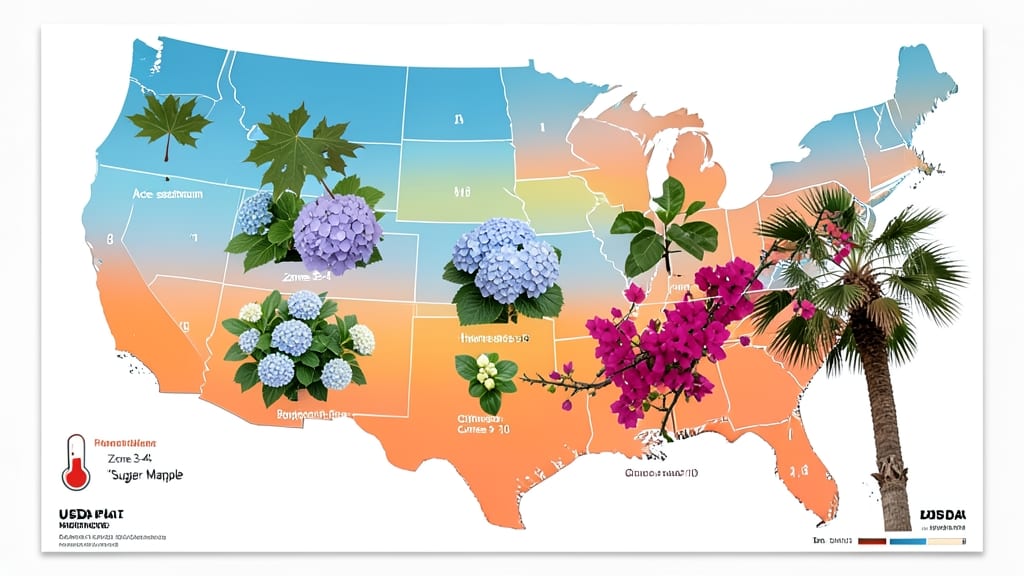
Gardening zones mean regions are classified by their average minimum winter temperatures, helping you choose plants that will survive and thrive in your specific climate. These zones, numbered 1-14, act as a guide to ensure your garden flourishes year after year.
Gardening zones are essentially climate-based maps that tell you which plants are most likely to succeed in your area. 🌱 The USDA created this system to standardize plant hardiness across North America, where Zone 1 represents the coldest regions (like Alaska) and Zone 14 the warmest (like southern Florida).
What's fascinating is how these zones help you avoid costly mistakes—like planting tropical palms in a Zone 5 garden where they'll freeze in winter.
I always check my local zone (I'm in Zone 7) before buying new plants, as it saves me from wasting money on species that won't survive my winters.
These zones also explain why some plants thrive in one yard but fail in another just a few miles away. Microclimates—like sunny south-facing walls or sheltered garden beds—can sometimes push plants into slightly warmer zones than their official classification.
For example, a Zone 6 garden might successfully grow a Zone 7 plant if it's protected from harsh winds. Understanding these nuances is what separates successful gardeners from those who struggle with plant losses.
💡 In This Article
- How USDA Plant Hardiness Zones Work
- Using Gardening Zones to Pick the Right Plants
How USDA plant hardiness zones work
The USDA Plant Hardiness Zone Map divides North America into 14 zones based on the average annual minimum winter temperature. Each zone represents a 10°F range—so Zone 5 has winters between -20°F and -10°F, while Zone 9 ranges from 20°F to 30°F.
These zones reflect the coldest temperatures plants must endure, as frost damage occurs when cells freeze and rupture. The map uses data from 1990-2020, accounting for climate shifts that have pushed zones northward over time.
What makes this system powerful is how it correlates with plant survival rates. For example, a Zone 6 plant like peonies can handle down to -10°F, but if you plant it in Zone 4 (-30°F to -20°F), it'll likely die back to the ground.
The zones also account for frost-free days—longer growing seasons in warmer zones allow tropical plants to thrive, while shorter seasons in colder zones limit what can be grown. 🌡️ This is why you'll see citrus trees in Zone 10 but not in Zone 7.
Microclimates complicate things by creating local variations within a zone. A south-facing wall can add 2-5°F of warmth, allowing you to grow Zone 8 plants in a Zone 7 garden. Conversely, low-lying areas with poor drainage may experience colder temperatures.
This is why gardeners in Zone 6b (down to -5°F) might successfully grow Zone 7a plants (0°F to 5°F) in sheltered spots. Understanding these microclimates helps explain why your neighbor's garden thrives with certain plants while yours struggles.
Here's what most people don't realize: the zone system focuses on winter hardiness, not summer heat tolerance. A plant might survive -20°F winters but wilt in 100°F summers, which is why some tropical plants (like hibiscus) need summer protection even in warm zones.
The zones also don't account for soil conditions, humidity, or rainfall—factors that can dramatically affect plant success. This is why experienced gardeners cross-reference zones with local growing conditions.
For practical application, think of zones as a starting point. If you're in Zone 5 but want to grow a Zone 6 plant, consider:
- Location: Plant near a south-facing wall or use raised beds for warmth
- Mulching: Add 4-6 inches of organic mulch to insulate roots
- Container growing: Move potted plants indoors during cold snaps
The science behind zones involves understanding plant cold tolerance. Some species (like Russian olive) can survive -40°F, while others (like bougainvillea) die above 30°F. This is why zone maps are essential for selecting plants that won't just survive, but thrive in your specific climate.
The USDA updates these maps every 10 years to reflect changing climate patterns—something all serious gardeners should pay attention to. 🌍