
Tools
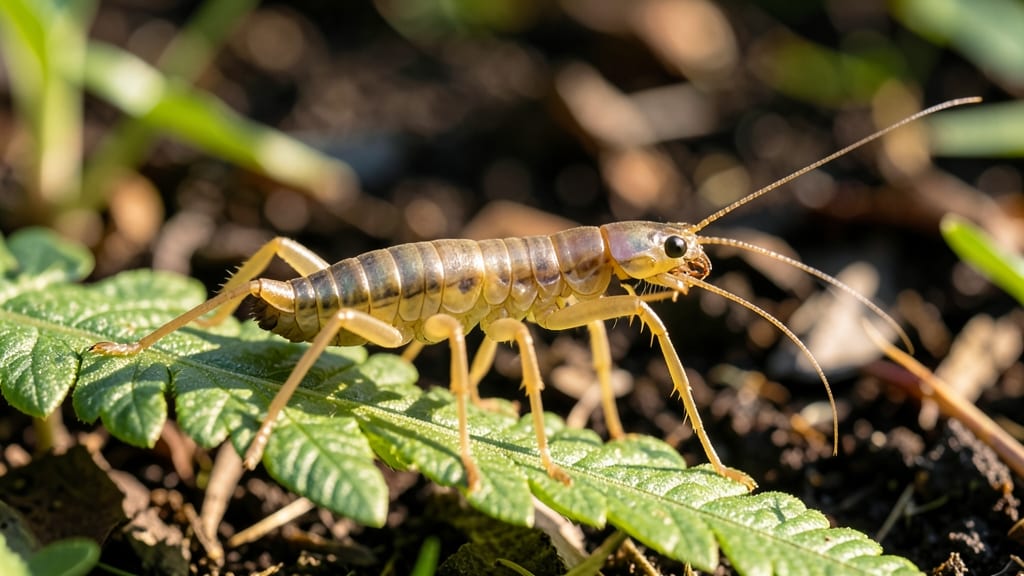
Garden snakes eat small rodents like mice and voles as their main food source, supplemented by insects, frogs, and occasionally eggs or young birds. Their meals vary based on size, habitat, and what's available in their environment.
Garden snakes are opportunistic hunters, meaning their meals depend heavily on what's accessible in their territory. 🐍 In natural settings, they'll chase down mice and voles that wander too close, using their sharp senses to detect movement.
Smaller species might focus more on insects like crickets or beetles, while larger snakes can handle frogs or even hatchling birds—though these are rare opportunities.
The key factor here is availability: a snake in a lush garden might feast on slugs and worms, while one in a dry area will rely more on rodents.
This adaptability explains why garden snakes thrive in diverse habitats. Their diet isn't just about preference—it's about survival. For example, a 12-inch garter snake might snack on earthworms daily, while a 3-foot rat snake could take down a full-sized mouse.
Understanding these patterns helps both wildlife enthusiasts and pet owners create balanced diets for these fascinating reptiles.
💡 In This Article
- Natural Diet of Garden Snakes in the Wild
- Feeding Garden Snakes in Captivity: Best Practices
Natural diet of garden snakes in the wild
Garden snakes hunt using a combination of stealth and speed, relying on their excellent eyesight and heat-sensing pits (in species like rat snakes) to detect prey. Their diet shifts dramatically with size—juveniles focus on insects like crickets, beetles, or caterpillars, while adults target rodents.
A 10-inch snake might consume 5-6 earthworms in a day, whereas a 4-foot snake can handle a 3-ounce mouse every 5-7 days. This size-to-prey ratio ensures they get enough energy without overtaxing their digestive systems.
The hunting method varies by species: non-venomous snakes like garter snakes use constriction, wrapping their bodies around prey to suffocate it, while others like hognose snakes may use mild venom to immobilize frogs or toads.
Seasonal changes also play a role—spring and summer bring more insect activity, so snakes eat smaller, frequent meals, while fall offers larger rodents as they prepare for winter brumation (a reptile hibernation-like state). 🌿 In colder climates, snakes may fast for months, relying on fat reserves built during peak feeding seasons.
Habitat determines what's on the menu. A snake in a wet, vegetated garden will feast on slugs, worms, and amphibians, while one in a drier, grassy area focuses on rodents and insects.
For example, corn snakes thrive in fields where mice are abundant, while water snakes near ponds hunt frogs and fish. The key is energy efficiency—snakes prioritize prey that provides the most calories with the least effort, often ambushing rather than chasing.
Climate impacts digestion too. Warmer temperatures speed up metabolism, allowing snakes to process meals faster. In 80°F conditions, a snake might digest a mouse in 10-14 days, but in 60°F weather, it could take 3-4 weeks.
This is why garden snakes in southern climates eat more frequently than those in northern regions. Their bodies are finely tuned to conserve energy when food is scarce, making them masters of adaptable survival.
Predation isn't just about size—it's about opportunity. A snake might ignore a 2-inch frog if a 1-inch worm is easier to catch, but will switch if the frog is injured or slow.
This opportunistic behavior explains why garden snakes are rarely picky eaters in the wild, though their preferences become clearer in captivity where options are controlled. Understanding these natural patterns helps pet owners replicate a balanced diet for their snakes.
One fascinating detail is how snakes "taste" prey through their tongues. The forked tongue samples scent particles in the air, allowing them to detect chemical cues from potential meals up to 10 feet away.
This sensory tool is why they often flick their tongues rapidly when hunting—it’s not just a reflex, but an active scanning system for locating food. 🔥