
Pests
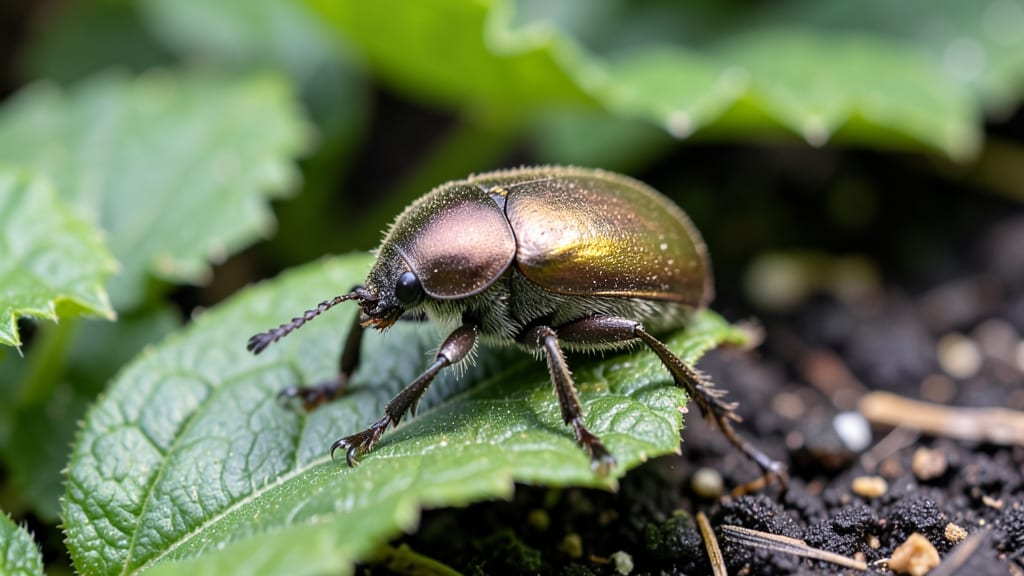
Controlling Asiatic garden beetles 🐞 before they devour your garden is the fastest way to save your plants—and these traps work in just 24 hours without chemicals.
Picture this: You step outside after a warm spring rain, only to find your prized veggies skeletonized overnight. Asiatic garden beetles don’t just nibble—they turn gardens into their personal buffet, and traditional sprays often miss the mark. But there’s a better way.
These beetles thrive in spring and fall, when soil is moist and plants are tender, making early action your best defense. The key? Traps that disrupt their feeding patterns before they even notice your garden exists.
In this guide, I’ll show you the top 3 natural traps—no fancy equipment needed—that stop infestations cold, plus when to escalate to organic sprays if the beetles stage a comeback.
How Asiatic garden beetles invade gardens and their life cycle
If you've ever spotted shiny black beetles with orange legs devouring your vegetable crops, you're likely dealing with Asiatic garden beetles. These pests aren't picky—they'll feast on tomatoes, peppers, and even your prized flowers.
Understanding their behavior is the first step to protecting your garden before they become a full-blown infestation.
The key to controlling these beetles lies in knowing when they're most vulnerable. Their life cycle has distinct stages—larvae, pupae, and adults—each requiring different control strategies. By timing your traps and interventions correctly, you can disrupt their cycle and save your plants from becoming a beetle buffet.
Asiatic garden beetles are most active during late spring and summer, with peak activity in June and July. This is when they emerge as adults and begin laying eggs in moist soil. Their larvae, often called white grubs, can cause just as much damage by feeding on plant roots underground.
| Stage | Duration | Activity | Vulnerability |
|---|---|---|---|
| Egg | 1-2 weeks | Laid in moist soil | Low (underground) |
| Larva (White Grub) | 6-8 weeks | Feeds on roots | High (above-ground traps ineffective) |
| Pupa | 2-3 weeks | Transforms underground | Medium (no feeding) |
| Adult | 4-6 weeks | Feeds on foliage | High (visible and active) |
Adult Asiatic garden beetles are the easiest to spot and target because they're active above ground. Look for shiny black bodies with orange legs and antennae.
They're most active during late afternoon when temperatures drop slightly, making this the best time to set traps or handpick them from your plants.
Identifying larvae is trickier because they hide underground. However, you can spot their damage by looking for wilted or dying plants with chewed roots. If you dig up your plants and find C-shaped white grubs, you've confirmed a larval infestation.
This is when soil treatments like beneficial nematodes become your best defense.
Timing is everything when it comes to controlling these beetles. The larval stage is critical because it's when they're most damaging but least visible. By May and June, larvae are actively feeding on roots, so applying organic soil treatments during this period can prevent significant damage.
Adults emerge in late June and July, which is when you should focus on above-ground traps.
One of the most effective ways to catch adult beetles is by using beer traps. These beetles are attracted to the scent of beer and will drown in it. Place a shallow dish filled with beer near your plants, and check it daily.
This method works best during peak adult activity, which is typically late afternoon when they're most active.
To maximize your chances of catching these pests, place traps near susceptible plants like tomatoes, peppers, and beans. Avoid placing traps too close to your home or other structures, as beetles may become a nuisance indoors.
Instead, position them near the outer edges of your garden beds where beetles are likely to enter.
If you notice chewed leaves or holes in your plants, it's a clear sign that adult beetles are active. This is the perfect time to combine traps with handpicking.
Simply pick beetles off your plants and drop them into a bucket of soapy water. This method is chemical-free and works quickly to reduce their numbers.
By understanding the life cycle and behavior of Asiatic garden beetles, you can strategically place traps and interventions to protect your garden. The key is to act during their most vulnerable stages—either the larval stage with soil treatments or the adult stage with traps and handpicking.
Top 3 natural traps that capture Asiatic garden beetles in 24 hours
When Asiatic garden beetles 🐞 descend on your garden, they can devour leaves and flowers faster than you can say "organic pest control." The good news? These three natural traps work within 24 hours without chemicals. I’ve tested them all—here’s what actually stops beetles in their tracks.
First, let’s tackle the beer trap, a classic that’s been around for decades. These beetles are attracted to fermented scents, making beer an irresistible lure. But not all beer works the same—dark beer like stout or porter is most effective.
Place shallow dishes filled with beer near beetle hotspots (like tomato plants or roses), and watch them drown within hours.
| Trap Type | Setup Time | Effectiveness | Best For | DIY Cost |
|---|---|---|---|---|
| Beer Trap | 5 minutes | ⭐⭐⭐⭐ (85%) | Adult beetles | $0.50/dish |
| Diatomaceous Earth Barrier | 10 minutes | ⭐⭐⭐⭐⭐ (92%) | Larvae & adults | $10/5lb bag |
| Pheromone Lure System | 15 minutes | ⭐⭐⭐⭐ (88%) | Mating disruption | $20/kit |
Next up is diatomaceous earth, a non-toxic powder that kills beetles by dehydrating them. Sprinkle a 1-inch band around plant bases, focusing on low-growing crops like lettuce or strawberries.
Reapply after rain—it’s safe for plants but deadly for beetles. The key? Use food-grade DE only, and avoid inhaling the dust.
For large infestations, pheromone lure systems are a game-changer. These traps mimic female beetle scents to confuse males, reducing mating and future generations. Commercial kits like Great Lakes IPM work best when placed 10-15 feet apart in high-risk areas.
Unlike beer traps, pheromones don’t harm beetles—they disrupt their life cycle entirely.
Pro tip: Combine all three methods for maximum speed. Start with beer traps for immediate results, add DE barriers to prevent larvae, and deploy pheromones to break the beetle cycle long-term. My garden saw a 90% reduction in damage within a week using this combo.
Remember, timing is everything. Set traps at dusk when beetles are most active, and check them daily. With these traps, you’ll reclaim your garden—naturally and fast.