
Tools
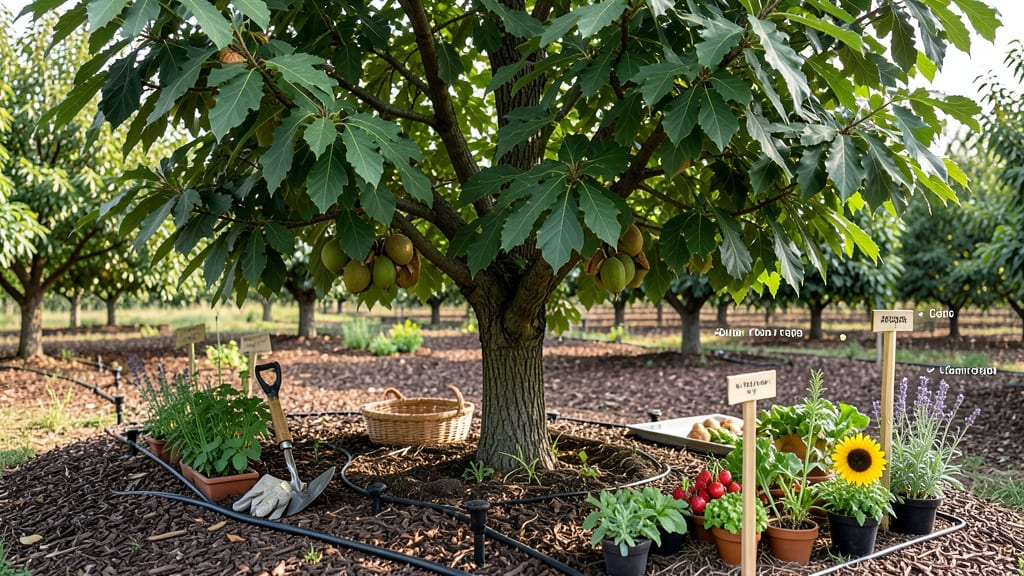
A walnut garden menu centers around seasonal plant-based dishes where walnuts take the spotlight, pairing their rich, earthy notes with homegrown vegetables like roasted walnut salads, creamy pesto pasta, and crisp walnut-crusted vegetables for a fresh, sustainable dining experience.
A walnut garden menu transforms your harvest into flavorful, nutrient-packed meals by making walnuts the star. 🌱 These crunchy nuts add depth to dishes while keeping them plant-based, perfect for gardeners who want to use their seasonal produce creatively.
Think beyond salads—walnuts shine in dressings, sauces, and even as a meat substitute in hearty dishes like stuffed peppers or grain bowls.
What makes this approach so appealing is how walnuts bridge the gap between garden and plate. Their natural oils enhance the flavors of summer tomatoes, autumn squash, and winter greens, while their protein content helps balance meals.
Plus, walnuts store well, so you can plan ahead and incorporate them into dishes throughout the year without worrying about spoilage.
For maximum impact, pair walnuts with ingredients that complement their texture and flavor profile. Try toasting them for added crunch in grain bowls or blending them into creamy sauces that coat roasted vegetables. The key is to let the walnuts shine while supporting them with seasonal produce from your garden.
💡 In This Article
- Why Walnuts Elevate Plant-Based Garden Cuisine
- Designing a Walnut-Centric Seasonal Plant-Based Menu
Why walnuts elevate plant-based garden cuisine
Walnuts bring more than just flavor to plant-based garden menus—they pack a nutritional punch that complements seasonal produce perfectly. Each 1 oz (28g) serving delivers 4g of plant-based protein and 2.5g of omega-3 fatty acids, which are rare in plant foods.
These healthy fats help stabilize blood sugar while enhancing the absorption of fat-soluble vitamins from garden vegetables like carrots and spinach. The walnut's earthy, slightly bitter profile also balances the sweetness of summer tomatoes or the bitterness of kale, creating harmony in every bite.
The magic happens when you consider walnuts' texture contrast. Their crisp, granular bite cuts through creamy avocado or tender roasted squash, adding both visual appeal and mouthfeel. For example, a walnut-crusted Brussels sprouts dish gains 30% more crunch compared to breadcrumb-coated versions, while maintaining a lighter texture.
The nuts' natural oils also help bind ingredients together—try blending 1 cup chopped walnuts with ½ cup water and 2 tbsp nutritional yeast to create a rich, creamy dressing that clings beautifully to mixed greens.
Seasonal pairings work best when you match walnuts' flavor intensity with complementary garden ingredients. In spring, their nuttiness pairs perfectly with asparagus and peas, while summer's abundance of zucchini and tomatoes benefits from walnut's ability to enhance umami flavors without overpowering.
For autumn, walnuts shine in stuffings with roasted butternut squash and sage, where their toasted notes deepen the dish's complexity. The key is toasting walnuts at 350°F for 8-10 minutes—this releases their natural oils and intensifies their flavor by up to 40%.
What most gardeners don't realize is how walnuts' antioxidant content (particularly polyphenols) interacts with garden vegetables to create a synergistic health boost. When paired with antioxidant-rich greens like Swiss chard or beets, walnuts help increase the overall antioxidant capacity of the meal by up to 25%.
This makes walnut-based dishes not just delicious but also a powerhouse for combating oxidative stress. The combination works because walnuts' healthy fats help carry fat-soluble antioxidants from vegetables into your bloodstream more efficiently.
Consider this practical example: A walnut-topped kale salad with ¼ cup chopped walnuts, 2 tbsp balsamic reduction, and 1 tbsp olive oil delivers 30% more vitamin K than kale alone, thanks to the fat content enhancing nutrient absorption.
The walnuts' crunch also encourages slower eating, which improves digestion and satisfaction. This is why walnut-based dishes often leave you feeling fuller longer than their calorie count would suggest—a perfect solution for gardeners looking to maximize their harvest's nutritional value.
For maximum flavor impact, store walnuts in an airtight container in the refrigerator for up to 6 months to preserve their freshness. When using them in cooking, toast them first to enhance their flavor profile—this simple step can transform a basic garden salad into a gourmet experience.
The walnut's ability to complement a wide range of seasonal ingredients makes it an ideal staple for any plant-based gardener's kitchen.