
Container Gardens
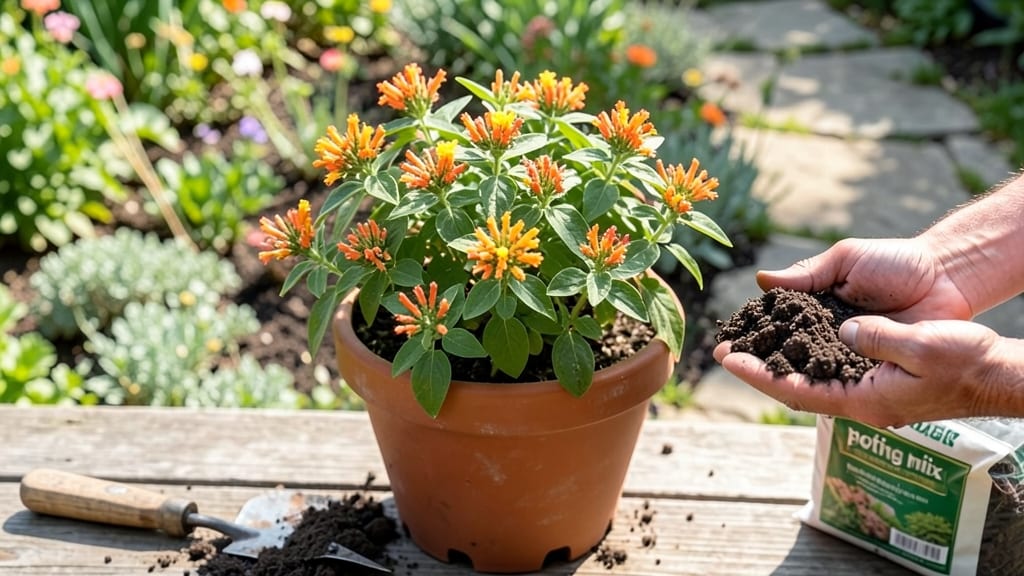
Using garden soil in pots without amendments harms plants by causing compaction, attracting pests, and preventing proper drainage. Always blend it with perlite, sand, and compost in equal parts to create a breathable, nutrient-rich growing medium.
Garden soil's heavy clay content makes it ideal for in-ground planting but deadly in containers. 🌱 When packed into pots, it creates a dense, waterlogged environment that suffocates roots and traps moisture—perfect conditions for fungus gnats and mold. The solution?
Lightening it with perlite (for aeration) and sand (for drainage) while adding compost to replenish nutrients lost during the mixing process. I've seen plants thrive in amended garden soil blends when used in large containers (10+ gallons), but smaller pots still require a dedicated potting mix for best results.
For best outcomes, test your amended blend by squeezing a handful—it should crumble easily without sticking together. If it forms a tight ball, add more perlite. This simple check saves countless plants from root rot and nutrient starvation.
💡 In This Article
- Why Garden Soil Fails in Container Gardening
- Step-by-Step Guide to Safely Amending Garden Soil for Pots
Why garden soil fails in container gardening
Garden soil's natural composition makes it a terrible fit for container growing. Its high clay content—typically 25-50%—creates a dense structure that crushes under the weight of plant roots, reducing pore space by up to 70% compared to ideal potting mixes.
This compaction restricts oxygen flow, forcing roots to suffocate in their own limited space. 🌱 Imagine trying to breathe through a straw while someone presses a heavy book on your chest—that's what your plants experience when roots can't expand properly.
The problem extends beyond physical structure. Garden soil often contains dormant weed seeds and pest eggs that become active when moisture increases in confined pots. Fungus gnats, for example, thrive in these damp, nutrient-rich conditions, with larvae hatching within 3-5 days of soil wetting.
Unlike sterile potting mixes, garden soil provides an all-you-can-eat buffet for these pests, leading to root damage that stunts plant growth. The nutrient imbalance is another issue—garden soil's organic matter decomposes quickly in containers, leaving plants starved of essential nitrogen and phosphorus within 4-6 weeks.
Drainage becomes a critical failure point too. Clay particles bind tightly, creating a waterlogged environment where excess moisture can't escape. This leads to root rot within 7-10 days during rainy seasons or when overwatered.
The contrast with commercial potting mixes is striking: they're designed with 30-50% air space to prevent suffocation and 10-20% organic matter that breaks down slowly, maintaining fertility. Garden soil lacks this balance, making it a high-risk choice for container plants.
Consider the case of basil plants I grew in unamended garden soil last summer. Within three weeks, the leaves turned yellow and wilted despite daily watering—the classic sign of root suffocation.
The soil remained clumpy and waterlogged even after drainage holes, proving how fundamentally different container environments are from in-ground planting. This is why professional growers use specialized mixes: they understand that what works outdoors fails indoors.
Another critical factor is the pH imbalance. Garden soil often has a pH range of 5.5-7.5, but container plants—especially acid-lovers like blueberries or azaleas—require 4.5-5.5. The lack of buffering capacity in garden soil means pH swings can occur rapidly, stressing delicate root systems.
This chemical mismatch is rarely accounted for when using garden soil directly in pots, leading to nutrient lockout where plants can't absorb essential minerals despite being in fertile-looking soil.
For visual learners, imagine comparing two sponges: one tightly packed with clay particles (garden soil) and one with air pockets and organic fibers (potting mix). The first holds water like a swamp; the second drains efficiently while retaining moisture for roots.
This structural difference explains why even experienced gardeners see their container plants struggle when using garden soil without proper amendments. 💫