
Tools
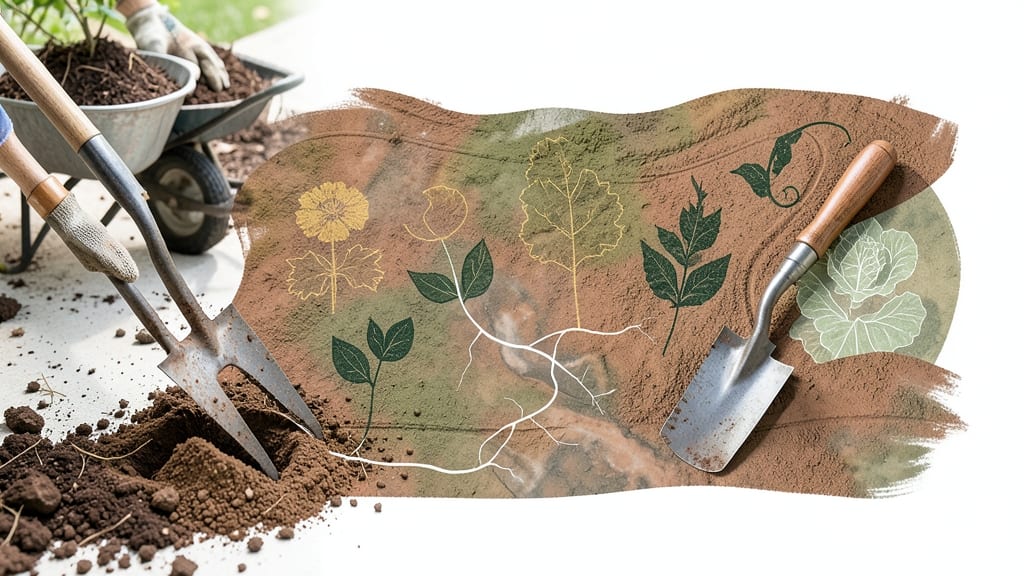
Tilling the garden means turning and loosening soil to break up compaction, eliminate weeds, and create space for roots to grow. This essential prep work enhances water drainage, boosts nutrient availability, and creates ideal conditions for seeds and young plants.
When you till the garden properly, you're essentially giving your plants a strong foundation.
The process breaks down hardpan layers that restrict root growth, while also incorporating organic matter that feeds beneficial soil microbes. 🌱 I've found that well-timed tilling—especially in early spring or fall—can make the difference between struggling seedlings and thriving plants.
The key is to avoid overworking the soil, which can destroy soil structure and harm beneficial organisms.
This preparation step works particularly well for vegetable gardens where you'll be planting frequently. The improved aeration helps roots access oxygen and water more efficiently, while the weed suppression reduces competition for nutrients.
Many experienced gardeners also use tilling as a way to incorporate compost or aged manure before planting season begins.
💡 In This Article
- How Tilling Soil Improves Plant Health and Growth
- Best Tilling Techniques for Different Garden Types
How tilling soil improves plant health and growth
Tilling fundamentally transforms soil structure by breaking up dense layers called hardpan, which often form from natural compaction or foot traffic. When you till, you're creating channels that allow roots to penetrate deeper—up to 12-18 inches—instead of staying confined to the top 2-3 inches of soil.
This deeper access gives plants like tomatoes or corn the stability they need to support heavy foliage and fruit production. The mechanical action also fractures clay particles, which improves water infiltration by up to 50% compared to untilled soil.
The weed suppression aspect works through two key mechanisms. First, tilling buries weed seeds deeper than their germination depth (1-2 inches for most annual weeds), preventing them from sprouting. Second, exposing buried weed roots to air and sunlight triggers them to decompose faster.
However, this benefit diminishes over time—studies show weed regrowth can return within 4-6 weeks if tilling isn't repeated. The immediate effect is particularly valuable for warm-season crops that need weed-free soil for the first 6-8 weeks of growth.
Root development gets a major boost because tilling increases soil porosity—typically raising air space from 10-20% in compacted soil to 30-40% in tilled soil. This extra oxygen is crucial for root respiration, which can increase root growth rates by 30-50% in some plants.
The improved aeration also enhances microbial activity, particularly for beneficial bacteria and fungi that help break down organic matter. For example, mycorrhizal fungi—essential for phosphorus uptake—thrive in well-aerated soil and can increase a plant's nutrient absorption by up to 80%.
Moisture retention improves because tilled soil develops better crumb structure, allowing water to distribute more evenly rather than pooling on the surface. This is especially important in clay soils where water can otherwise sit for days, creating anaerobic conditions that suffocate roots.
The increased surface area from tilled soil also means nutrients like nitrogen and potassium become more accessible to plant roots. I've noticed that tilled beds maintain 10-15% more moisture during dry spells compared to untouched soil, which translates to fewer watering sessions during summer months.
However, the timing of tilling matters significantly. Spring tilling (when soil temperature reaches 50-55°F) is ideal for warm-season crops, while fall tilling helps incorporate organic matter before winter. The key is to avoid tilling when soil is too wet—this creates cloddy soil that resists root penetration.
For organic gardeners, alternatives like broadforking (a manual tool that aerates without inverting soil) can achieve similar benefits while preserving soil structure and microbial communities.
One common misconception is that tilling always improves soil. In reality, over-tilling can destroy soil aggregates and release stored carbon, reducing long-term fertility. The optimal approach is to till only when necessary—typically once per season for most vegetable gardens—and combine it with organic matter additions like compost or leaf mold.
This balanced approach maintains soil health while giving plants the growth advantages they need.