
Pests
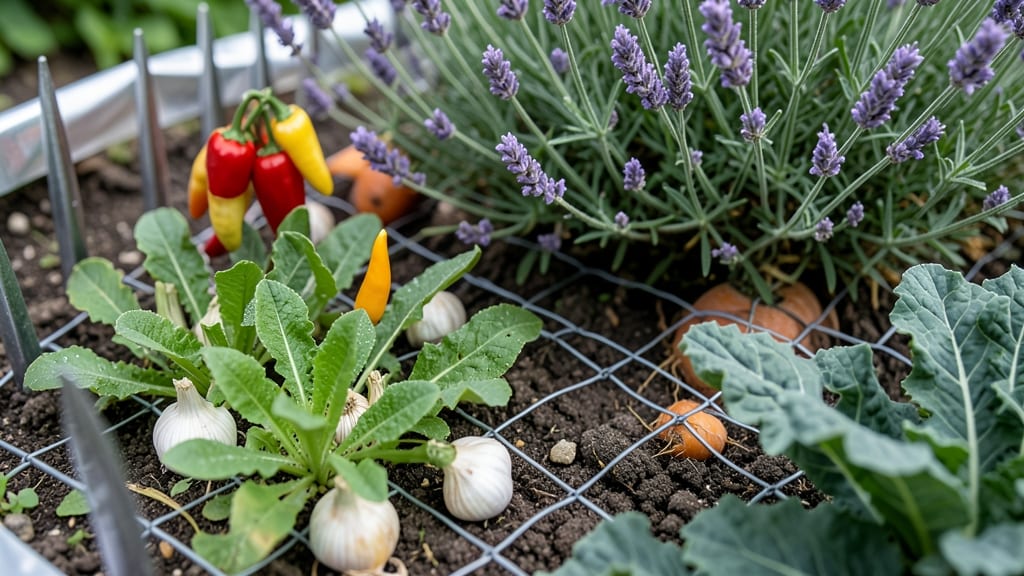
To create a squirrel-proof garden, install sturdy physical barriers like chicken wire mesh (at least 1/4-inch grid), raised beds with deep edges, or commercial squirrel guards to stop digging and climbing. Pair these with repellents for lasting protection.
Squirrels are relentless garden invaders because they dig, climb, and chew with equal enthusiasm. 🌿 A 1/4-inch hardware cloth buried 12 inches deep around plantings stops their digging, while squirrel-proof fencing (at least 6 feet tall) blocks climbing.
I’ve found that raised beds with metal flashing edges work best for bulbs—squirrels can’t reach in, and the soil stays protected. The key is consistency: even one gap can turn your garden into an all-you-can-eat buffet for them.
For vegetables like corn or beans, wire mesh cages (like those for tomatoes) create a fortress. 🌱 Flowers aren’t safe either—squirrels love digging up tulip bulbs, so I wrap individual plants in mesh sleeves before planting.
Commercial solutions like Squirrel Buster guards (plastic cones) work well for tree trunks, but DIY options with PVC pipes and mesh can be just as effective. The secret? Combine barriers with motion-activated sprinklers or predator urine—they’re the ultimate squirrel deterrent duo.
💡 In This Article
- Why Squirrels Target Gardens and How Barriers Work
- Best Long-Term Squirrel-Proof Garden Solutions by Plant Type
Why squirrels target gardens and how barriers work
Squirrels are natural foragers with powerful claws designed for digging and climbing.
Their front paws can exert up to 15 pounds of force per square inch, making them capable of breaking through weak fencing or shallow soil barriers. 🔥 When they spot your garden, their instincts kick in—digging up bulbs (like tulips) for winter food or stripping vegetables (such as corn) for quick energy.
The problem? Their burrowing depth often exceeds 12 inches, which is why shallow trenches or flimsy mesh fail.
Physical barriers work by exploiting squirrel anatomy and behavior. For example, 1/4-inch hardware cloth (not chicken wire—squirrels can chew through it) blocks their ability to reach bulbs or seeds.
When buried 12-18 inches deep and extended 12 inches above ground, it creates a nearly impenetrable shield. 🌱 Fencing must be at least 6 feet tall because squirrels can leap 5-6 feet horizontally and climb vertical surfaces with ease.
Raised beds with metal flashing edges (bent outward) prevent them from digging underneath, while commercial squirrel guards (like plastic cones) disrupt their climbing paths on tree trunks.
Squirrels also rely on scent trails to locate food, so barriers must be continuous—even a 6-inch gap can turn your garden into a buffet. 💫 The most effective systems combine multiple layers: mesh for digging prevention, fencing for climbing, and repellents (like predator urine) to create an unpleasant association.
For instance, wrapping individual tulip bulbs in mesh sleeves before planting adds an extra layer of protection without sacrificing aesthetics.
Another critical factor is material durability.
Squirrels can chew through untreated wood or thin plastic, so opt for galvanized steel mesh or PVC-coated fencing. 🌿 For example, a 1/2-inch mesh buried around a vegetable patch will last years, while a 1/4-inch mesh works for flowers but requires annual checks for wear.
The key is matching the barrier to the plant type—bulbs need deep protection, while climbing vines may only require overhead netting.
What most people overlook is the role of visual and scent cues.
Squirrels avoid areas where they’ve had negative experiences, so combining barriers with motion-activated sprinklers or strong smells (like cayenne pepper spray) reinforces the deterrent effect. 💛 For instance, a 10-second water spray from a motion sensor can train squirrels to avoid your garden within a few weeks.
The combination of physical barriers and behavioral conditioning creates a long-term solution.
Finally, consider the seasonal behavior of squirrels. In fall, they focus on burying food, while spring brings increased climbing activity. Adjust your barriers accordingly—add extra mesh in autumn and reinforce fencing in spring. 🌱 This proactive approach ensures your garden stays protected year-round, regardless of their foraging patterns.