
Tools
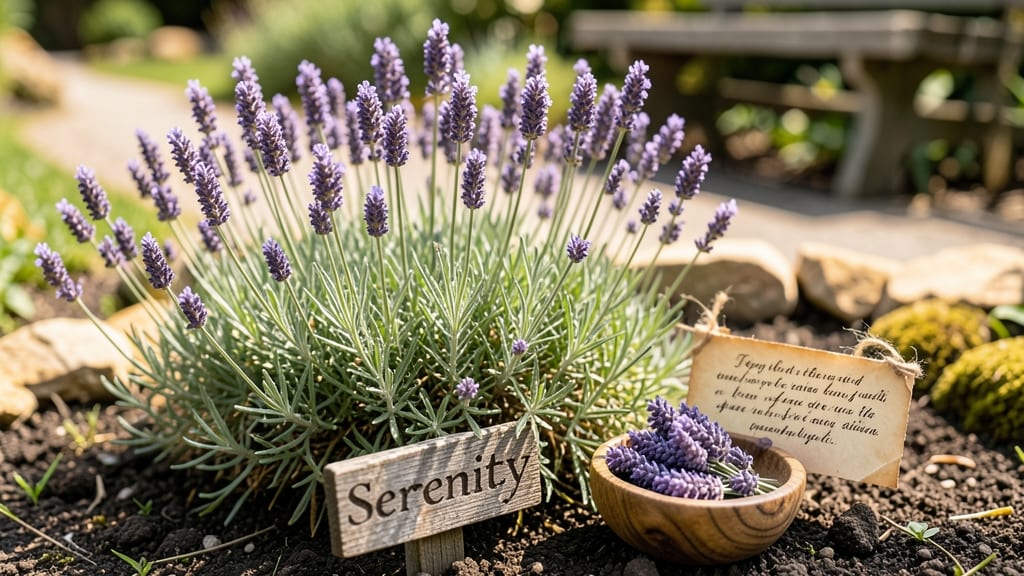
Spiritual gardening quotes create sacred moments in your garden by weaving nature's wisdom into daily rituals, helping you see planting, growing, and harvesting as acts of spiritual nourishment and mindfulness.
These quotes serve as gentle reminders that gardening isn't just about producing food or flowers—it's a metaphor for life. 🌱 Think of them as your garden's spiritual compass, guiding you through seasons of growth, patience, and even surrender.
I've found that writing them on stakes or keeping them in my gardening journal transforms routine tasks into mindful practices, connecting me to the earth's ancient rhythms.
What makes them powerful is their ability to reframe challenges—like weeds or failed crops—as lessons rather than setbacks. Many draw from indigenous wisdom, Buddhist teachings, or even biblical parables about sowing and reaping.
The best ones feel like whispers from the soil itself, urging you to slow down and observe the quiet miracles unfolding in your garden.
💡 In This Article
- How Spiritual Gardening Quotes Reflect Nature’s Sacred Cycles
- Best Spiritual Quotes to Use in Your Garden Journal or Meditation
How spiritual gardening quotes reflect nature’s sacred cycles
Nature operates on ancient cycles that spiritual gardening quotes beautifully mirror—like the 12-month lunar calendar used by many indigenous cultures to determine planting times. These cycles aren't just practical; they're sacred rhythms that teach us about impermanence, renewal, and trust.
For example, a quote about "planting seeds in the dark" reflects how winter's dormancy (when roots grow underground) parallels our own periods of inner work. The parallel isn't accidental—it's a reminder that growth often happens unseen, just like how a single acorn contains an entire oak tree's potential.
What makes these quotes powerful is their connection to death/rebirth cycles. Consider composting—a process where "death" (rotting matter) becomes "life" (nutrient-rich soil). Ancient Greek philosopher Heraclitus famously said, "No man ever steps in the same river twice," which gardeners understand as the constant change in their plots.
Spiritual quotes often reference this: "What dies in the garden is reborn in the soil," echoing how our own endings create space for new beginnings. The science of decomposition mirrors this wisdom—microorganisms break down organic matter in 6-12 months, transforming it into something entirely new.
Interconnectedness is another core theme. A quote from Native American wisdom, "We do not inherit the Earth from our ancestors; we borrow it from our children," reflects how every gardening action ripples outward. When you pull weeds, you're not just clearing space—you're participating in the ecosystem's balance.
The mycorrhizal fungi network in soil (where plants share nutrients through underground threads) literally embodies this interconnectedness. Spiritual quotes often remind us that our gardening choices affect not just our plants but the entire web of life, from bees to future generations.
Mindfulness in cultivation appears in quotes about "watering with intention" or "pruning with love." Neuroscience shows that mindful practices like these can reduce stress by 22% while increasing focus—a direct benefit of connecting with nature's rhythms.
The act of tending plants becomes a meditation when paired with reflective quotes. For instance, Japanese Zen gardens use stones and raked gravel to create visual representations of impermanence, much like how a quote about "letting go of what no longer serves" can guide your pruning decisions.
The physical act of gardening, when paired with spiritual reflection, creates a feedback loop between body, mind, and earth.
Seasonal transitions offer perfect opportunities to reflect. Spring's planting season often pairs with quotes about "new beginnings," while autumn's harvest connects to gratitude. The equinoxes (when day and night are equal) serve as natural bookends for these reflections.
Many gardeners mark these times by writing quotes on plant tags or journaling about their growth journey. This practice turns gardening into a living metaphor for personal evolution, where each season represents a phase of your own spiritual development.
Consider this quote from Thich Nhat Hanh: "Feelings come and go like clouds in a windy sky. Conscious breathing is my anchor." When applied to gardening, it becomes "Pests come and go like weather patterns. Mindful tending is my anchor."
The parallel shows how spiritual wisdom can transform gardening challenges into opportunities for practice. The key is recognizing that both plants and people thrive under the same conditions: patience, consistent care, and trust in natural processes. 🌿