
Planting
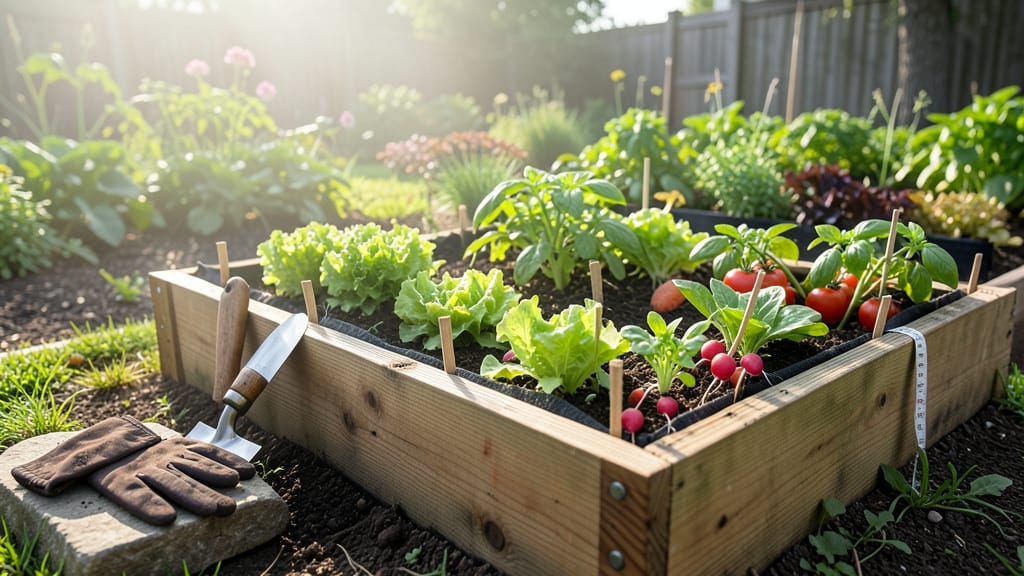
Spacing for garden plants requires careful planning based on mature size, growth patterns, and sunlight exposure—typically 12-36 inches for herbs, 18-24 inches for most vegetables, and 6-10 feet for trees. Always check seed packets or plant tags for precise measurements to avoid overcrowding and reduce disease risks.
Understanding why spacing matters is key to a thriving garden. 🌱 Plants compete for nutrients, water, and sunlight, so proper spacing ensures each gets enough resources to grow strong.
For instance, leafy greens like lettuce need 6-12 inches apart to prevent shading, while sprawling tomatoes require 18-24 inches to support their vines without disease. Even perennials like lavender benefit from wider spacing—24-36 inches—to reduce competition over years.
I always sketch a rough layout before planting, using chalk lines or plant markers to visualize mature sizes.
One common mistake is spacing based on seedlings rather than mature plants. A tiny basil seedling might look cute at 6 inches apart, but it’ll quickly outgrow that space, leading to leggy, weak plants. 🌿 The golden rule?
When in doubt, space wider rather than closer—you can always add fillers later, but you can’t shrink a crowded garden. For container gardens, follow the same principles but adjust for pot size, as roots have limited room to spread.
💡 In This Article
- How Plant Type Affects Spacing Requirements
- Garden Layout Tips for Optimal Plant Spacing
How plant type affects spacing requirements
The science behind spacing starts with root systems and how plants compete for resources. Leafy greens like spinach or kale have shallow, fibrous roots that spread horizontally, which is why they thrive in tight clusters—6-12 inches apart.
These plants prioritize quick growth over height, so they need sunlight at ground level. In contrast, root vegetables like carrots or beets develop deep, vertical roots that require 2-3 inches of soil space to grow straight without deforming. 🌱
Growth habit plays a critical role too. Bushy plants like peppers or eggplants need 18-24 inches of space to prevent overcrowding, as their leaves create dense canopies that block sunlight from lower plants.
Climbing varieties, such as pole beans or cucumbers, benefit from vertical support but still need 12-18 inches of base spacing to avoid tangling. Sprawling plants like zucchini or pumpkins require even more room—3-5 feet—because their vines spread aggressively, competing for nutrients in the soil.
Air circulation is another key factor. Plants with broad leaves, like tomatoes or basil, need at least 12 inches of space to allow airflow, which reduces humidity and prevents fungal diseases like powdery mildew. I’ve noticed that crowded basil plants develop yellow leaves faster because the dense foliage traps moisture.
For trees and shrubs, wider spacing—6-10 feet—is essential to prevent root competition, which can stunt growth or lead to root rot in waterlogged soil.
Sunlight access is often overlooked but critical. Tall plants like sunflowers or corn should be placed in rows with 12-18 inches between plants to ensure sunlight reaches lower-growing companions. In my garden, I’ve seen lettuce bolt prematurely when shaded by taller plants, even when spaced correctly.
The rule of thumb? Place taller plants on the north side of shorter ones (in the Northern Hemisphere) to avoid casting shadows. 🌞
Spacing also impacts yield. Overcrowded tomato plants, for example, produce fewer fruits because they divert energy to leaf growth instead of flowering. Proper spacing ensures each plant has enough energy to develop strong stems, abundant flowers, and heavy fruit loads.
Even herbs like rosemary or thyme, which are often planted too closely, benefit from 24-36 inches of space to prevent woody stems and improve air circulation.
Consider soil type too. Sandy soils drain quickly, so plants may need slightly closer spacing to conserve moisture, while clay soils benefit from wider spacing to prevent waterlogging. For instance, carrots in heavy clay might need 3 inches apart instead of the usual 2 inches to avoid forking.
Always adjust based on your garden’s conditions—observation is key! 💡