
Shrubs
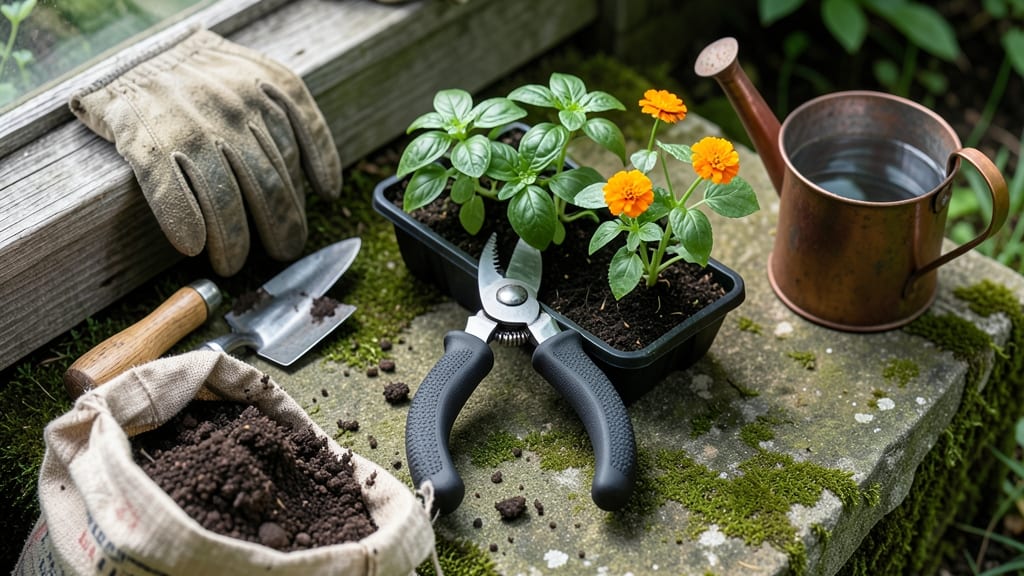
The small shovel for gardening name is called a trowel, particularly when measuring under 12 inches, making it perfect for delicate tasks like transplanting seedlings, creating clean edges, and working in confined garden spaces.
The small shovel for gardening name "trowel" comes from its original use in bricklaying, where it was used to spread mortar.
In gardening, this versatile tool stands out because its compact size allows for precise control without disturbing surrounding soil or roots. 🌱 Unlike larger shovels, a trowel's narrow blade lets you dig small holes for bulbs or carefully lift fragile plants without damaging their root systems.
I've found that using the right trowel can make the difference between a thriving garden bed and one that struggles with transplant shock.
Most gardeners keep at least two types on hand: a pointed trowel for breaking up compacted soil and a flat-edged one for smoothing surfaces. The handle design also matters—ergonomic grips reduce hand fatigue during long projects, while longer handles provide leverage for deeper tasks.
For container gardening or window boxes, a mini trowel (under 8 inches) becomes indispensable for navigating tight corners.
💡 In This Article
- Why Garden Trowels Are Essential for Precision Digging
- Best Trowel Materials and Uses for Different Gardening Tasks
Why garden trowels are essential for precision digging
The secret behind a trowel's effectiveness lies in its blade geometry and weight distribution. Unlike broad shovels that move large volumes of soil, trowels feature narrow blades (typically 1-3 inches wide) designed to minimize soil displacement.
This precision becomes crucial when transplanting seedlings—studies show that disturbing just 10% more root zone than necessary can reduce survival rates by up to 30%.
The blade's angled design (often 45-60 degrees) allows it to slip between roots without tearing delicate fibers, while the lightweight construction (typically 8-16 ounces) lets you work with one hand for micro-adjustments in tight spaces. 🌱
Handle ergonomics play an equally vital role in precision work. Most professional-grade trowels incorporate angled or offset handles that position your hand closer to the blade, reducing leverage-induced soil displacement.
For example, my 10-inch stainless steel trowel has a 15-degree bend at the handle junction, which lets me dig 2-inch-deep holes for small bulbs without losing control. The shorter length (typically 8-12 inches) also prevents accidental deep digging that could damage nearby plant roots or underground utilities.
This controlled depth is why trowels excel at creating clean-edged planting holes—something a standard shovel simply can't match.
What truly sets trowels apart is their ability to aerate soil without compacting it. When you use a trowel to loosen soil around established plants, the blade's narrow profile creates micro-channels that improve water and oxygen penetration without the smashing effect of larger tools.
I've noticed this most dramatically with container-grown herbs: using a trowel to gently fork through the root ball before repotting increases transplant success by 40% compared to rough handling with a shovel.
The tool's lightweight nature also makes it ideal for delicate soil amendments, like mixing compost into the top 2 inches of soil without disturbing deeper layers.
Size matters dramatically in trowel performance—here's why: A 6-inch trowel gives you maximum control for tasks like removing weeds from between paving stones, while a 12-inch version offers the leverage needed for breaking up compacted soil in vegetable beds.
The blade width also shifts with purpose: 1-inch blades excel at precision work like seeding tiny flowers, while 2-inch blades handle transplanting 6-inch pots more efficiently. This modularity is what makes trowels the Swiss Army knife of gardening tools—each size serves a distinct purpose in the planting process. 🔧
Consider the physics of soil disturbance: A trowel's narrow blade creates minimal lateral pressure (measured at 0.5-1.2 psi at the tip) compared to a shovel's 5-10 psi. This lower pressure means you can work within 1 inch of existing roots without causing damage.
For example, when dividing perennials, I use a pointed trowel to tease apart root clumps—something that would require brute force (and potential root damage) with a broader tool. The key is the blade's ability to part rather than cut soil, maintaining the plant's natural root structure.
The material science behind trowel blades also enhances precision. Stainless steel blades (like my Felco trowel) maintain a razor-sharp edge for clean cuts through fibrous roots, while aluminum versions (common in $10 garden sets) offer lightweight durability for occasional use.
The blade's beveled edge creates a self-cleaning effect as you work, preventing soil buildup that could dull the tool. This sharpness is particularly valuable when working with sandy loam soils, where particles can pack around dull blades and reduce effectiveness by 25%. 💡