
Landscaping
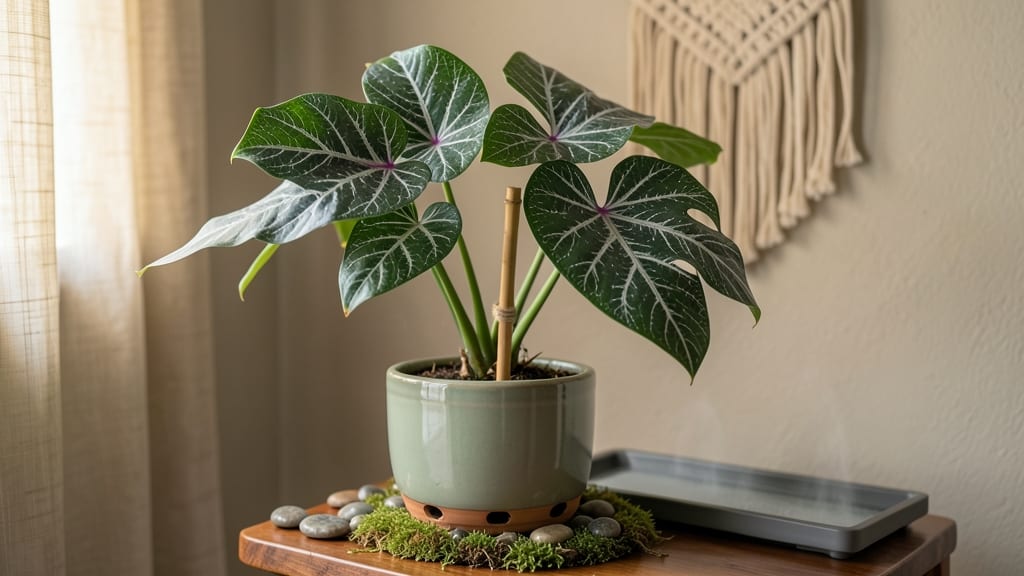
Creating stunning alocasia garden ideas turns even small spaces into a tropical escape with bold foliage that demands attention 🌿.
Picture this: a tiny balcony bursting with lush alocasia varieties, their dramatic leaves contrasting perfectly with trailing ferns or glossy calatheas. The key is pairing them right—moisture-loving companions that thrive in the same bright, indirect light while keeping root zones happy.
Whether you're styling a modern minimalist pot or a cascading container garden, alocasia brings height, texture, and that signature tropical vibe. I’ll show you how to balance colors, textures, and heights—plus the container materials that keep roots healthy year-round.
From container pairings to seasonal care hacks, you’ll learn to make your alocasia the star of any small-space garden without the fuss.
15 Best Alocasia container plant pairings for small gardens
Creating a stunning alocasia container garden doesn’t require a sprawling yard—just the right companion plants that share similar light and moisture needs. These tropical beauties thrive in shade to bright indirect light and love humidity, making them perfect partners with ferns, calatheas, and peperomias.
I’ve curated 15 dream pairings that maximize space while adding texture, color, and drama to your small garden.
When selecting companions, focus on leaf shapes, height balance, and care ease. For example, pairing Alocasia zebrina with Calathea orbifolia creates a striking contrast between their ruffled and arrow-shaped leaves.
Both plants adore high humidity and dappled sunlight, so they’ll thrive together in a ceramic pot with a saucer for extra moisture retention.
The key to success is consistent moisture—alocasias hate drying out, so group them with plants that share this preference. Avoid pairing them with succulents or cacti, which need dry conditions.
Instead, opt for shade-loving tropicals like fittonia (nerve plant) or maranta (prayer plant) for a lush, jungle-like effect.
Here’s how to style these pairings for maximum impact: Use tall alocasias like Alocasia polly as centerpieces, surrounded by trailing plants like Peperomia prostrata to soften edges.
For compact spaces, choose dwarf varieties like Alocasia 'Mini' series paired with small ferns or bromeliads to create a mini tropical forest in a single pot.
For outdoor containers, pair Alocasia sanderiana with Nephrolepis exaltata (Boston fern) to create a textured, layered look. Both plants love dappled shade and consistent moisture, making them ideal for hanging baskets or window-box gardens.
In indoor setups, combine Alocasia 'Dragon Scale' with Maranta leuconeura for a compact, high-impact display near east-facing windows.
Pro tip: Layer your containers by placing taller alocasias at the back and shorter companions like Fittonia or Peperomia in the front. This creates depth and draws the eye upward, making small spaces feel grand and intentional.
Use glazed ceramic pots to retain humidity and add pebbles to the saucer for a self-watering effect—perfect for busy gardeners!
One of my favorite low-maintenance pairings is Alocasia polly with Peperomia prostrata. The trailing peperomia cascades beautifully over the pot’s edge, while the upright alocasia adds structure.
Both thrive in medium to bright indirect light and require minimal pruning, making them ideal for beginner gardeners or office plants. Just ensure the pot has drainage holes to prevent root rot—a common issue with overwatered alocasias.
If you’re aiming for a bold color contrast, pair Alocasia 'Red Secret' with Anthurium clarinervium. The deep burgundy stems of the alocasia complement the silver-veined leaves of the anthurium, creating a striking visual contrast.
Place this combo in a glossy black pot to amplify the dramatic foliage and keep it in a bright, indirect spot for optimal growth.
Remember, seasonal care matters! In winter, reduce watering slightly but maintain humidity levels with a pebble tray or room humidifier. Avoid placing containers near drafty windows or heating vents, as sudden temperature changes can stress these tropical plants.
With the right pairings, your small garden will become a lush, year-round oasis** that turns heads and brings joy every day.
How to style Alocasia in small-space containers: color, texture & height balance
Small spaces deserve bold style, and alocasia plants deliver with their dramatic elephant ear leaves. The key to stunning container arrangements lies in balancing leaf shapes, textures, and height variations—even in tight areas.
Start by grouping alocasia varieties with contrasting sizes: pair Alocasia polly (compact) with Alocasia zebrina (taller) for instant vertical interest.
For visual intrigue, incorporate trailing plants like string of pearls or peperomia prostrata to soften the bold foliage. These cascading elements create movement while keeping the composition dynamic. Place them in hanging pots or let them spill over container edges for a lush, layered look that maximizes small-space impact.
- 1 Layer by Height: Use 3-tiered pots—place tall alocasias (like Alocasia sara) at the back, medium varieties in the middle, and low-growing fillers (e.g., fittonia) at the front.
- 2 Contrast Textures: Mix glossy alocasias with velvety ferns (like nephrolepis exaltata) or spiky bromeliads (e.g., Aechmea fasciata) for tactile diversity.
- 3 Play with Colors: Combine deep purple alocasias (like Alocasia 'Black Stem') with chartreuse calatheas or silver peperomias for a high-contrast tropical vibe.
- 4 Container Materials: Opt for glazed ceramic pots (retains moisture) or terracotta (breathable, but needs frequent watering). Avoid plastic—it traps heat and dries soil too quickly.
- 5 Add Mini Trees: Include dwarf schefflera or miniature ficus (like Ficus microcarpa 'Ginseng') to elevate the arrangement and create a jungle-like canopy.
Don’t overlook the power of container placement. Position your alocasia displays near east-facing windows for gentle morning light, or under dappled shade on patios. For indoor setups, group containers to create a microclimate—the humidity from one pot will benefit its neighbors, mimicking their natural tropical habitat.
Finally, rotate your containers every 2-3 weeks to ensure even light exposure and prevent lopsided growth. This simple habit keeps your alocasias thriving while maintaining their symmetrical beauty. With these design principles, even a balcony nook or sunroom corner can feel like a lush rainforest retreat.
Experiment with odd-number groupings (3 or 5 pots) for natural balance—your alocasias will thank you with vibrant, healthy foliage that turns heads. Happy styling! 🌿