
Tools
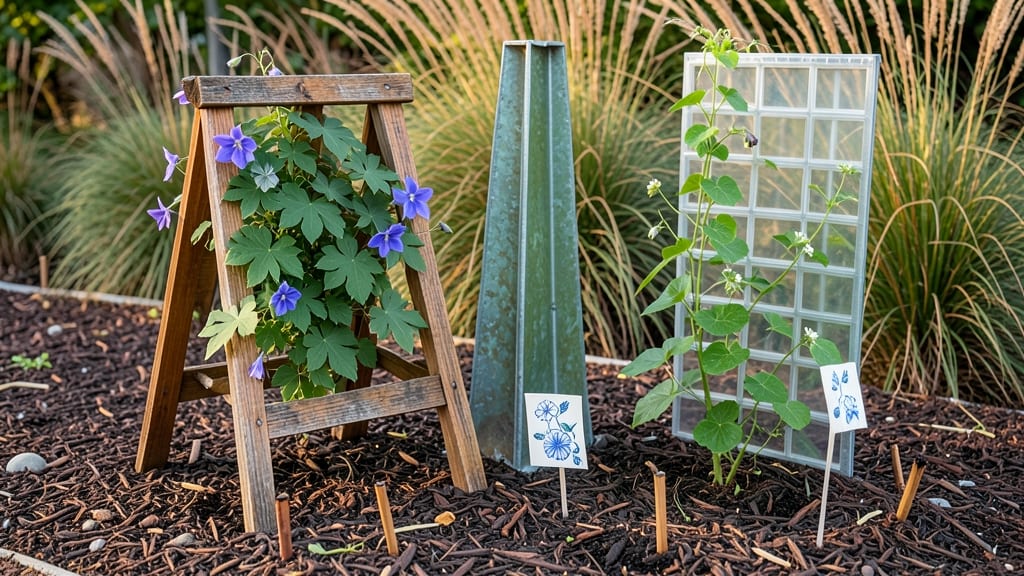
Transforming your garden bed with trellis ideas for climbing plants 🌿 is the fastest way to add height, structure, and drama to your space—without taking up extra square footage.
Picture this: a tall clematis vine spiraling up a decorative lattice, its blooms cascading like a living waterfall, while cucumbers and beans climb neatly beside it. The difference between a cluttered garden and a polished, intentional design often comes down to the right trellis.
Whether you’re working with a small urban plot or a sprawling backyard, the right trellis can optimize sunlight, protect delicate stems, and even extend your growing season by keeping plants off the damp soil.
Below, I’ll walk you through 12 creative designs—from rustic wooden arbors to sleek metal grids—plus the best climbing plants to pair with each, so you can turn your garden into a vertical masterpiece.
12 Space-saving trellis designs for small gardens
Small gardens don’t have to mean small dreams! With the right garden bed trellis ideas, you can train climbing plants like cucumbers, beans, and roses to grow vertically, freeing up precious ground space for more greenery.
These space-saving trellis designs not only maximize your yard’s potential but also add stunning visual interest to your landscape. Whether you prefer DIY projects or pre-made structures, there’s a trellis style perfect for your needs.
From lattice panels that create elegant backdrops to teepee structures that support lightweight vines, each design offers unique benefits. Material choices like wood, metal, or PVC can influence durability, aesthetics, and maintenance.
Let’s explore 12 creative trellis designs tailored to different plants and garden layouts, so you can choose the best fit for your small-space garden.
🌱 Key Considerations: Before selecting a trellis, think about your plant’s growth habit (e.g., heavy climbers like clematis need sturdy supports), your garden’s sunlight exposure, and the available space. Some designs work best in raised beds, while others shine in ground-level plantings. Below, we’ve organized the best options by plant type and material for easy comparison.
| Trellis Type | Best For | Materials | DIY Difficulty | Space-Saving Benefit |
|---|---|---|---|---|
| Lattice Panels | Roses, Clematis, Wisteria | Wood, Metal, PVC | Easy | Creates vertical walls; ideal for small beds |
| Obelisk Trellis | Beans, Peas, Pole Beans | Metal, PVC, Bamboo | Moderate | Compact footprint; supports multiple vines |
| Teepee Trellis | Cucumbers, Squash, Morning Glories | Wood, Rebar, Stakes | Easy | Minimal ground space; lightweight support |
| Spiral Trellis | Grapevines, Kiwi, Heavy Climbers | Metal, Wood | Moderate | Guides vines upward; prevents tangling |
| A-Frame Trellis | Tomatoes, Peppers, Herbs | Wood, PVC | Easy | Sturdy; fits in corners of small gardens |
| Cage Trellis | Cucumbers, Zucchini, Pumpkins | Metal, Wire | Moderate | Encourages bushy growth; saves space |
For small gardens, obelisks and teepees are my top picks because they require minimal ground space while providing excellent support for lightweight climbers like beans and cucumbers.
If you’re growing heavier vines such as clematis or grapevines, a spiral or lattice trellis will offer the stability needed to prevent sagging or breakage. Metal trellises are low-maintenance and weather-resistant, while wooden options add a rustic charm that blends beautifully with cottage-style gardens.
Don’t overlook PVC trellises—they’re lightweight, affordable, and easy to customize. You can paint them to match your garden’s color scheme or leave them natural for a modern look.
For DIY enthusiasts, building a teepee trellis from bamboo stakes or a lattice panel from pallet wood is a rewarding project that costs next to nothing. Pre-made trellises, on the other hand, save time and ensure professional-quality results with minimal effort.
When placing your trellis, consider sunlight exposure. Most climbing plants thrive in full sun, so position your trellis where it will receive at least 6 hours of direct sunlight daily.
If your garden is shady, opt for lightweight climbers like morning glories or sweet peas, which tolerate partial shade better than sun-loving varieties. Raised beds are perfect for trellises because they elevate plants, improve drainage, and make harvesting easier.
Pro tip: Combine trellises with companion planting to make the most of your space. For example, plant bush beans at the base of a cucumber teepee—the beans fix nitrogen in the soil, benefiting the cucumbers.
This symbiotic relationship not only saves space but also boosts plant health. Pair roses with **lattice tre
How to choose the right trellis for your climbing plants
Selecting the perfect trellis for your climbing plants isn’t just about aesthetics—it’s about plant health, structural support, and long-term success. Heavy vines like clematis or wisteria need sturdy, weight-bearing structures, while lightweight plants like morning glories thrive on delicate lattice designs.
Matching your trellis to your plant’s growth habits prevents sagging, breakage, and even root damage from improper support.
Start by assessing your plant’s mature size and growth pattern. Twining vines (e.g., cucumbers, peas) require spiral or teepee trellises to encourage upward growth, while rambling roses benefit from arches or obelisks that distribute weight evenly. Self-clinging plants like ivy can adapt to almost any surface, but heavier varieties still need reinforced frames to avoid collapsing under their own weight.
-
🌿 Lightweight Vines (e.g., Morning Glories, Nasturtiums)
Choose lattice panels, wire mesh, or bamboo stakes—these plants need minimal support and thrive on flexible structures that won’t restrict growth.
-
🌹 Heavy Climbers (e.g., Clematis, Roses, Wisteria)
Opt for metal arches, wooden obelisks, or reinforced PVC frames—these weight-bearing designs prevent sagging and breakage as plants mature.
-
🍅 Fruit & Vegetable Vines (e.g., Cucumbers, Beans, Squash)
Use teepees, A-frames, or spiral trellises—these open structures allow easy harvesting and better airflow, reducing pest and disease risks.
-
🌿 Self-Clinging Plants (e.g., Ivy, Virginia Creeper)
Select rough-textured surfaces (e.g., wood slats, brick, or corrugated metal)—these plants cling naturally but still need stable support to avoid peeling or damage.
Don’t overlook material durability—wood (cedar or redwood) resists rot but may need sealing, while metal (galvanized steel or aluminum) lasts longer but can overheat in direct sun. Bamboo is eco-friendly and lightweight, perfect for seasonal plants, but PVC offers low-maintenance versatility for perennials.
Always check your trellis’s weight limit—a 10-foot clematis can weigh 50+ pounds when in full bloom!
Consider aesthetics and placement too. A wooden arbor adds romantic charm to a flower bed, while a modern metal grid complements contemporary gardens. Position trellises where they’ll maximize sunlight exposure—most climbing plants need 6+ hours of direct sun daily.
For shade-loving vines like bougainvillea, partial shade and humidity-friendly materials (e.g., powder-coated metal) work best.
Finally, think about maintenance. Self-cleaning designs (e.g., angled lattice) reduce leaf buildup, while modular trellises let you expand or relocate as your garden grows. Prune regularly to prevent overcrowding, and inspect trellises annually for wear or rust.
With the right choice, your climbing plants will thrive for years—adding vertical beauty and functionality to your garden bed.