
Tools
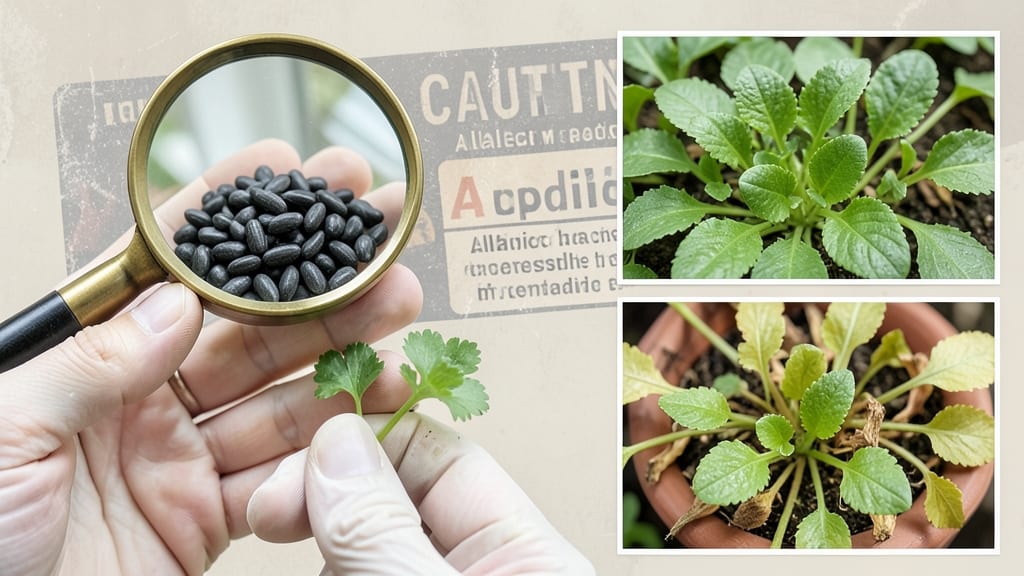
The side effects of garden cress seeds can include mild digestive upset like bloating or gas in some people, and allergic reactions may occur in sensitive individuals due to their sulfur compounds and potential thyroid interference. Pregnant women should avoid them without medical advice.
Garden cress seeds contain natural compounds that can affect digestion differently depending on your body.
The sulfur-rich content, while beneficial in moderation, may cause stomach irritation or gas in sensitive individuals. 🌱 Some people also report skin reactions or respiratory symptoms if they consume too much, especially if they have existing allergies.
The goitrogenic properties—though generally mild—could interact with thyroid medications, so monitoring your intake is wise if you have thyroid conditions.
For most healthy adults, occasional consumption poses minimal risk, but pregnant women should avoid them entirely without professional guidance. Cooking or soaking the seeds can reduce some of these effects by breaking down certain compounds. Always start with small amounts to test your tolerance before increasing your intake.
💡 In This Article
- How Garden Cress Seed Consumption Affects Digestion and Hormones
- Safe Garden Cress Seed Consumption Guidelines for Different Groups
How garden cress seed consumption affects digestion and hormones
Garden cress seeds contain high levels of sulfur compounds—specifically glucosinolates—that break down into isothiocyanates during digestion. These compounds are responsible for the pungent aroma and flavor you notice when chewing the seeds.
For some individuals, this sulfur content can irritate the digestive tract, leading to symptoms like bloating, gas, or even mild stomach cramps. The body processes sulfur compounds through the liver, but excessive intake can overwhelm this system, particularly in people with sensitive digestive systems or underlying conditions like IBS.
The fiber content in garden cress seeds (around 18-22 grams per 100 grams) also plays a role in digestive discomfort. While fiber is essential for gut health, consuming large amounts too quickly can cause fermentation in the intestines, producing gas as a byproduct.
This is why some people experience bloating after eating more than 1 tablespoon (about 10 grams) of raw seeds at once. Soaking or cooking the seeds first can help break down some of these compounds, reducing their irritant effects.
Beyond digestion, garden cress seeds contain goitrogens—natural compounds that can interfere with thyroid function when consumed in large amounts. These goitrogens work by inhibiting iodine uptake in the thyroid gland, which is crucial for producing thyroid hormones.
While the goitrogenic effect is generally mild in garden cress (compared to cruciferous vegetables like kale), individuals with hypothyroidism or on thyroid medications should be cautious. The thyroid's sensitivity varies by person, so monitoring symptoms like fatigue or weight changes is important if you consume garden cress regularly.
Allergic reactions to garden cress seeds are rare but possible, particularly in people with sensitivities to other brassica family plants like mustard or radishes. Symptoms may include skin rashes, itching, or even respiratory issues like sneezing or wheezing.
The sulfur compounds again play a role here, as they can trigger histamine release in sensitive individuals. If you notice any of these symptoms after consuming garden cress, it’s best to avoid it and consult a healthcare provider.
Pregnant women face additional risks due to the potential hormonal effects of garden cress seeds. While the evidence is limited, some studies suggest that excessive consumption of goitrogenic foods could theoretically affect fetal thyroid development.
The American Pregnancy Association recommends avoiding raw cruciferous seeds and sprouts during pregnancy unless thoroughly cooked, which applies to garden cress as well. Always err on the side of caution and consult your doctor before incorporating them into your diet.
For most people, the benefits of garden cress—like its high vitamin C and calcium content—outweigh the risks when consumed in moderation. However, understanding these mechanisms helps you make informed choices. Start with small amounts (like ½ teaspoon per day) and observe how your body responds before increasing your intake.