
Tools
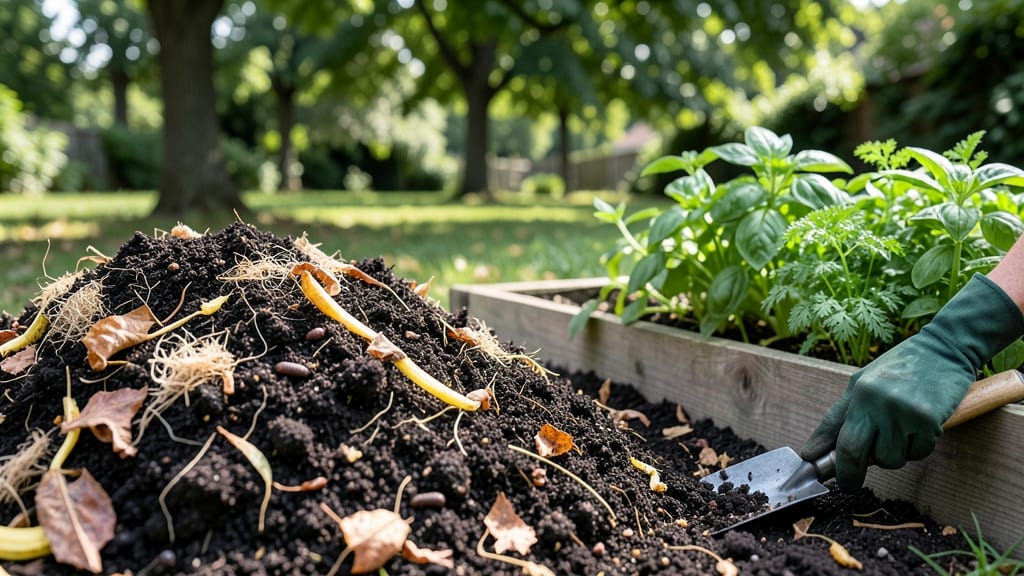
Shredded paper in the garden enriches soil with carbon as it decomposes, suppresses weeds by blocking light, and retains moisture while avoiding plastic waste. Opt for uncoated, non-glossy paper for best results.
This eco-friendly mulch works by creating a protective layer that breaks down slowly, feeding your soil over time. 🌱 Unlike synthetic options, it decomposes naturally without harming plants or soil microbes.
I've found that mixing it with compost creates a nutrient-rich barrier that outsmarts weeds while keeping moisture locked in—perfect for drought-prone areas or busy gardeners who want low-maintenance solutions.
For best results, use only plain, uncoated paper like newspaper or junk mail (no glossy or colored pages). Spread a 2-3 inch layer around plants in early spring or after planting, then refresh as needed. The key is keeping it moist—dry paper won't decompose effectively and may blow away.
💡 In This Article
- How Shredded Paper Enhances Soil Health and Structure
- Best Practices for Applying Shredded Paper as Garden Mulch
How shredded paper enhances soil health and structure
When you bury shredded paper in your garden, it begins a slow transformation that feeds your soil in ways traditional mulches can't. Paper is primarily made from cellulose—a complex carbohydrate that acts as a carbon source for soil microbes.
As these microbes break down the cellulose, they produce humus, a dark, nutrient-rich substance that improves soil structure. This process is most effective when the paper is moist, as dry paper decomposes at a glacial pace—sometimes taking 6-12 months to fully integrate into the soil.
The decomposition process also creates tiny air pockets between paper fibers, which enhances soil aeration—a critical factor for root development. Unlike dense mulches that can compact soil over time, shredded paper maintains a loose, crumbly texture that roots love.
Studies show that carbon-rich mulches like paper increase soil porosity by up to 30% compared to bare soil, allowing water and oxygen to penetrate more efficiently. This makes it especially valuable for clay-heavy soils that tend to become waterlogged.
What makes paper unique is its carbon-to-nitrogen (C:N) ratio, which sits around 150:1—much higher than most garden plants. While this initially slows decomposition, it also provides a long-term energy source for beneficial microbes. Over time, these microbes convert the carbon into stable organic matter, creating a self-sustaining cycle.
Unlike fast-decomposing materials like grass clippings (which have a 20:1 C:N ratio), paper releases nutrients gradually, preventing the soil from becoming nitrogen-deficient.
Visually, you'll notice the soil darkens over time as humus accumulates, giving it a richer, more fertile appearance. The paper's fibrous texture also helps prevent soil erosion by shielding it from heavy rains, while its decomposition byproducts create a sticky, gel-like substance called polysaccharides that binds soil particles together.
This natural binding is what gives well-mulched soil its characteristic crumbly, almost cake-like structure—ideal for seed germination and root growth.
One common misconception is that paper mulch only benefits the top layer of soil. In reality, as it decomposes, it creates vertical channels called macropores that improve drainage and nutrient movement throughout the root zone.
These channels are particularly beneficial for deep-rooted plants like tomatoes or carrots, which need consistent access to both water and oxygen. The result? Healthier plants with stronger resistance to diseases caused by poor soil conditions.
For comparison, traditional mulches like straw or wood chips primarily work by blocking weeds and retaining moisture, but they don't actively improve soil structure in the same way.
Paper, however, combines these benefits with the added advantage of long-term carbon enrichment—a process that continues even after the initial mulch layer has decomposed. This makes it a smarter choice for gardeners looking to build soil fertility over multiple growing seasons.