
Tools
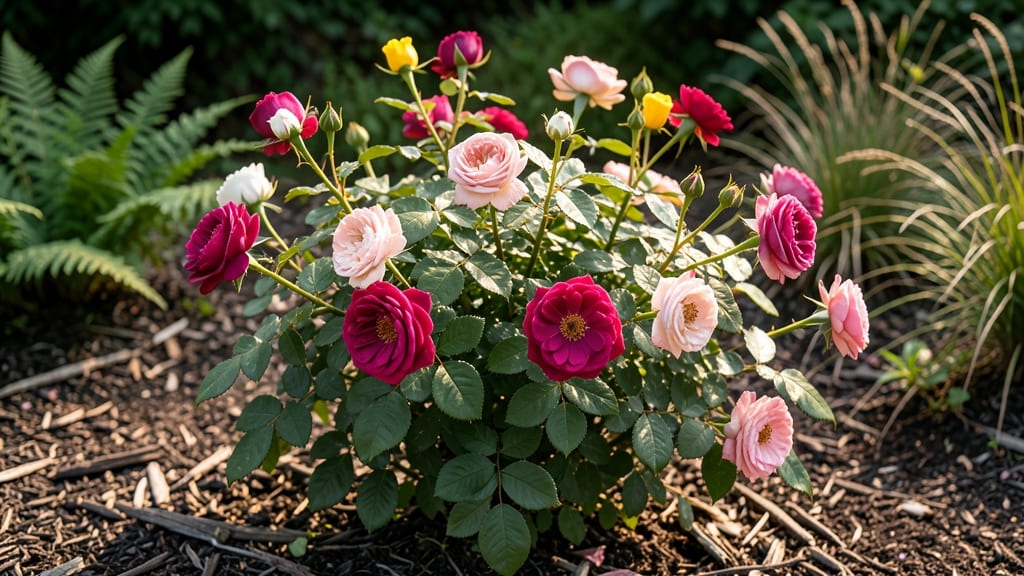
Seattle’s rose gardens are a must-visit, showcasing stunning blooms at iconic spots like the Seattle Rose Garden at Washington Park and Discovery Park’s rose beds, which burst into color from late spring through fall. For home gardeners, disease-resistant varieties like ‘Knock Out’ roses thrive here, while winter mulching becomes essential to shield roots from Seattle’s damp, mild winters and frequent spring rains.
Seattle’s maritime climate—cool summers and wet winters—actually makes it perfect for roses if you choose the right varieties. 🌸 The city’s acidic soil and high humidity favor hardy shrub roses and hybrid teas that resist fungal diseases, like ‘David Austin’ English roses or ‘Dr. Huey’ climbers.
Many Seattle gardens bloom from May through October, with peak fragrance in June and September. The key to success? Pruning in late winter (before buds swell) and using 3-4 inches of mulch to insulate roots during winter’s chill.
What sets Seattle apart is how the rainfall patterns shape care routines—overwatering is a common mistake here. Most roses need 1-1.5 inches of water weekly, but containers dry faster and may need daily checks in summer.
For fungal protection, I swear by copper fungicides applied preventatively in spring, and always clean up fallen petals to reduce black spot risk. The city’s mild winters mean roses stay semi-dormant, so a thick layer of straw or wood chips works better than heavy mulch that could suffocate roots.
💡 In This Article
- Seattle’s Climate and Best Rose Varieties for Local Gardens
- Seasonal Rose Care Checklist for Seattle Gardens
Seattle’s climate and best rose varieties for local gardens
Seattle’s maritime climate creates a unique growing environment where roses thrive due to the city’s cool summers (70-75°F average) and mild winters (35-45°F). The high humidity and frequent rainfall (about 37 inches annually) favor roses that resist fungal diseases like black spot and powdery mildew.
Unlike drier climates where roses need constant watering, Seattle’s moisture means the focus shifts to preventing root rot and ensuring proper drainage—especially in heavy clay soils common in the region.
The acidic soil (pH 5.5-6.5) here suits varieties that naturally prefer such conditions, like ‘Knock Out’ roses (disease-resistant shrub roses) and ‘David Austin’ English roses, which bloom prolifically from May through October.
Hybrid teas, like ‘Double Delight’, also perform well but require sturdier canes to support their weight in windy Seattle gardens. Climbing roses such as ‘New Dawn’ are excellent for trellises, as their vigorous growth helps them withstand the city’s frequent gusts.
What makes Seattle’s rose care different is the extended blooming season—unlike Mediterranean climates where roses bloom once in spring, Seattle’s roses often rebloom in late summer and early fall due to the moderate temperature swings.
This means pruning in late winter (February-March) is critical to remove dead wood and shape the plant before buds swell.
I’ve found that 3-4 inches of mulch (like cedar chips or pine bark) is ideal—it insulates roots in winter while keeping them cool in summer, mimicking the natural forest floor conditions.
For home gardeners, the key is choosing varieties bred for humidity and fungal resistance. Shrub roses like ‘The Fairy’ or ‘Julia Child’ are low-maintenance and produce abundant blooms with minimal care.
Container roses, such as ‘Bonica’, also work well in Seattle’s urban gardens, as they can be moved to sheltered spots during heavy rains. The trade-off? These varieties often bloom less prolifically than hybrid teas but make up for it with easier care and longer vase life.
One common mistake in Seattle gardens is overwatering—roses here actually need less frequent watering than in drier climates because of the consistent rainfall. Instead, focus on well-draining soil (amend with compost or sand if needed) and pruning for airflow to reduce fungal risks.
The city’s mild winters also mean roses stay semi-dormant, so a light layer of mulch (2-3 inches) is sufficient to protect roots without smothering them.
Here’s a quick comparison of top Seattle-friendly roses:
- ‘Knock Out’: Disease-resistant, repeat-blooming shrub (great for borders)
- ‘David Austin’ English: Fragrant, old-fashioned blooms (ideal for cut flowers)
- ‘New Dawn’: Climbing rose with disease resistance (perfect for trellises)
- ‘Bonica’: Compact shrub (excellent for containers and small spaces)
The secret to success in Seattle? Adapt care routines to the rain—water deeply but infrequently, prune aggressively in winter, and always choose varieties bred for humidity.
With the right choices, your roses will reward you with fragrant blooms from May through October, just like the city’s famous rose gardens. 🌸