
Tools
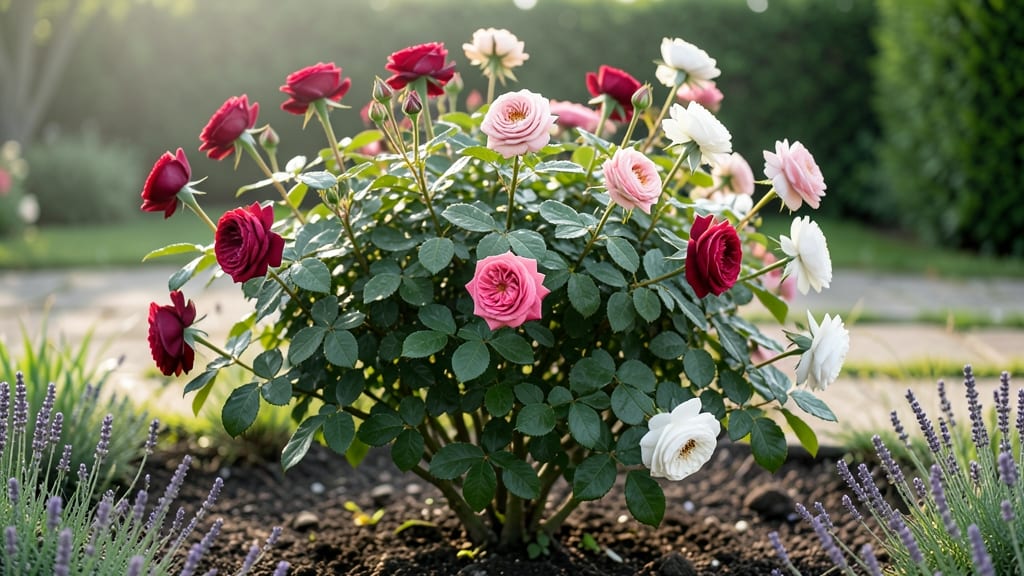
The rose garden Seattle Washington scene highlights must-visit locations, starting with the iconic Seattle Rose Garden at Volunteer Park, home to over 5,500 roses across 20 varieties. This historic garden offers free public access year-round, while nearby spots like the Washington Park Arboretum and Bellevue Botanical Garden provide diverse rose collections and expert horticultural displays.
Seattle’s rose gardens are a year-round celebration of floral beauty, with each location offering unique blooms tailored to the Pacific Northwest’s climate. 🌸 The Volunteer Park garden peaks in late spring and summer, while the arboretum’s collections thrive through early fall.
What sets these gardens apart is their commitment to both classic varieties and modern hybrids, ensuring visitors always discover something new. Whether you're a photography enthusiast or simply love strolling through fragrant paths, Seattle’s rose gardens deliver unforgettable experiences.
For those eager to explore beyond the well-known spots, lesser-visited collections like the University of Washington’s Davidson Hall roses and the Ballard Locks Park’s seasonal displays offer hidden treasures.
These locations often host special events during peak bloom seasons, providing opportunities to learn about rose care and maintenance from local horticulturists. The diversity of Seattle’s rose gardens ensures there’s always a perfect time to visit, regardless of the season.
💡 In This Article
- Best Seasons to Visit Seattle Rose Gardens
- Hidden Gems: Seattle’s Lesser-Known Rose Collections
Best seasons to visit Seattle rose gardens
Seattle’s rose gardens thrive under the city’s mild maritime climate, where cool summers and wet winters create ideal conditions for extended bloom cycles.
The primary bloom season runs from late May through July, when 5,500+ roses at Volunteer Park burst into color, with David Austin English roses and hybrid teas reaching peak fragrance. This timing coincides with Seattle’s driest months, reducing fungal risks that could damage delicate petals. 🌸
The Washington Park Arboretum offers a slightly different experience, with its 12-acre rose collection extending blooms into early September thanks to microclimates near Lake Washington. Here, climbing roses like 'New Dawn' and shrub varieties such as 'Knock Out'® roses maintain vibrant displays longer than traditional garden roses.
The Bellevue Botanical Garden follows a similar pattern, with 300+ cultivars including rare Noisette roses that thrive in the area’s USDA Zone 8 conditions.
Fall brings a dramatic shift as gardens prepare for winter. While most roses go dormant by October-November, the Seattle Rose Garden maintains year-round interest through evergreen ground covers and winter-blooming varieties like 'Winter Song' rose.
The arboretum’s conservation program preserves historic roses that naturally resist Seattle’s 40-50 inches of annual rainfall by developing thicker canes. Visitors in winter can still enjoy structured walks and holiday-themed garden displays.
What most people don’t realize is how temperature fluctuations impact bloom timing. Seattle’s average summer highs of 75-80°F trigger the main flowering period, while cooler mornings (50-55°F) help prevent heat stress in petals.
The Pacific Northwest’s low UV index compared to Southern states means roses develop more anthocyanin pigments (the compounds that create deep reds and purples), resulting in more vibrant colors. This natural advantage lets Seattle gardens maintain 80% of their peak color even in early fall.
For planning your visit, aim for late June to early August when all major gardens reach their maximum bloom. The Seattle Rose Festival (held annually in late June) coincides perfectly with peak season, featuring rose-themed events and expert-led tours.
Even in off-seasons, gardens remain accessible—just expect fewer blooms and more focus on horticultural education programs that run year-round. The Bellevue Botanical Garden’s "Rose School" offers monthly workshops on pruning techniques tailored to Seattle’s climate.
Pro tip: Check the University of Washington’s Rose Research Foundation reports for real-time bloom updates. Their digital phenology calendar tracks when specific varieties reach peak fragrance—critical information for photographers or those planning romantic garden visits.
The arboretum’s "Rose Walk" is particularly photogenic during golden hour (just after 7:30 PM in summer), when light enhances the velvety texture of David Austin roses**.