
Tools
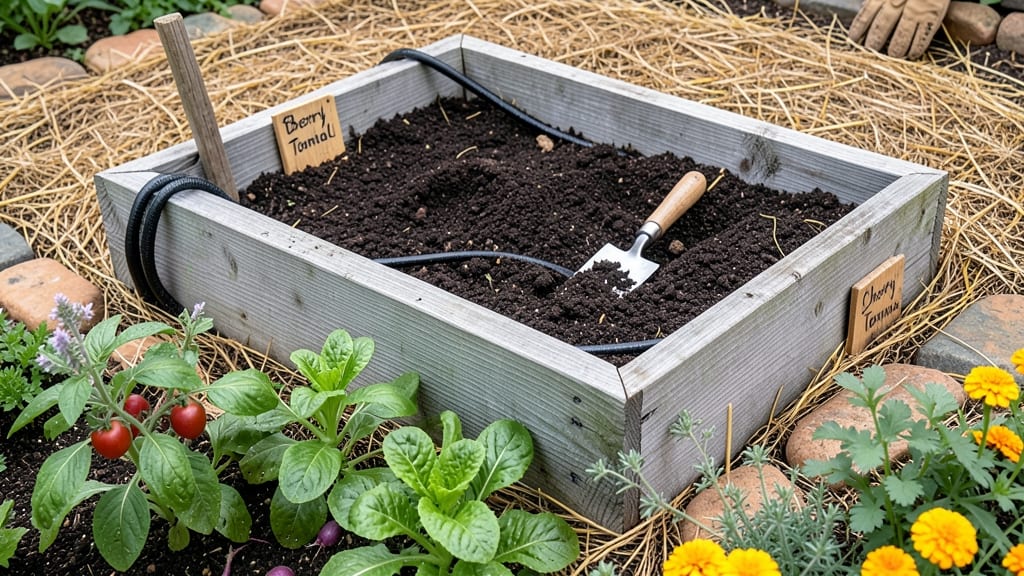
Outdoor raised garden bed ideas can turn even the smallest yard into a lush, productive oasis—no matter how limited your space.
Picture this: a 6-foot-tall vertical planter hugging your fence, or a tiered bed tucked into a corner that yields more tomatoes than you know what to do with. These designs aren’t just practical; they’re game-changers for small-space gardeners who refuse to compromise on greenery.
From weather-resistant cedar to sleek metal frames, the right materials make all the difference in durability and style. Whether you’re going for rustic charm or modern minimalism, there’s a raised bed design that fits your vision—and your yard’s layout.
Below, I’ll walk you through 10 space-saving layouts, the best materials for longevity, and how to pick plants that thrive in tight quarters. No more wasted space—just more homegrown goodness.
10 Space-saving raised garden bed designs for small yards
Small yards don’t mean small gardens! With the right raised bed design, you can grow more in less space while adding beauty to your outdoor area. The key is thinking vertically and using every inch of your yard—corners, walls, and even rooftops.
These creative designs maximize your growing potential without taking over your space.
Whether you have a sunny balcony, a shady corner, or just a few square feet of ground, there’s a raised bed layout that will work for you. From tiered systems to pocket gardens, these ideas help you grow herbs, veggies, and flowers without sacrificing your lawn or patio.
Let’s explore how to fit more greenery into your tiny yard!
| Design Name | Best For | Space Needed | Key Features | DIY Difficulty |
|---|---|---|---|---|
| Corner Hugger | Tight corners | 2' x 2' minimum | Curved edges, fits snugly | Easy |
| Tiered Stack | Vertical growth | 3' x 3' base | 3 levels, 12" apart | Moderate |
| Window Box Planter | Balconies/porches | 1' x 6' minimum | Hanging pockets, herbs | Easy |
| Spiral Garden | Sun/shade variety | 4' diameter | Gradual height change | Moderate |
| Pallet Vertical | Budget-friendly | 2' x 4' footprint | Recycled wood slats | Easy |
| Keyhole Garden | No-dig gardening | 3' x 3' minimum | Central compost hub | Moderate |
| Hanging Pocket | Patio/deck | Wall-mounted | Individual plant pockets | Easy |
| Rooftop Box | Urban apartments | 2' x 2' max | Lightweight materials | Hard |
| Mesa Garden | Dry climates | 4' x 4' base | Elevated center | Moderate |
| Foldable Bed | Seasonal use | 3' x 4' when open | Collapses for storage | Hard |
My favorite design for urban gardeners is the window box planter. It’s perfect for balconies where space is limited but sunlight is abundant. These long, narrow beds
How to choose materials and build your own raised bed
Building your own raised garden bed is a rewarding project that gives you control over soil quality and plant placement. The first step is choosing the right materials—each type offers unique benefits for durability and aesthetics.
I’ve found that cedar wood and composite lumber are top choices because they resist rot and insects, while galvanized metal adds a modern touch but requires extra drainage planning.
Before gathering supplies, measure your space and decide on dimensions. A 4-foot by 8-foot bed is ideal for most gardeners because it allows easy access from all sides.
For small yards, consider 3-foot-wide beds to save space while still accommodating most plants. Pro tip: Avoid beds wider than 4 feet—reaching the center becomes difficult!
🌱 Top Materials for Raised Beds
- Cedar Wood – Naturally rot-resistant and insect-repellent; lasts 10-15 years with proper sealing.
- Composite Lumber – Made from recycled wood fibers and plastic; low-maintenance and weatherproof.
- Galvanized Metal – Durable and modern; requires extra drainage holes to prevent waterlogging.
- Brick or Stone – Aesthetic and long-lasting; heavier and requires professional installation for large beds.
Choose based on your budget, climate, and design preferences!
When assembling your bed, use corner brackets or L-shaped hardware to reinforce joints—this prevents warping over time. Line the bottom with landscape fabric to block weeds and add a 2-inch layer of gravel for drainage.
I always fill mine with a mix of topsoil, compost, and perlite to ensure optimal plant growth.
Avoid common mistakes like using untreated wood or skipping drainage layers. Untreated wood rots quickly, while poor drainage leads to root rot. For longevity, add a waterproof liner if your bed is deeper than 12 inches. This extra step keeps moisture where it belongs—right at the roots!
Finally, consider adding accessible pathways around your bed for easy maintenance. Use gravel, mulch, or stepping stones to define the space and prevent soil compaction. With the right materials and careful planning, your raised bed will thrive for years—just like my herb spiral that’s been productive for five seasons!