
Landscaping
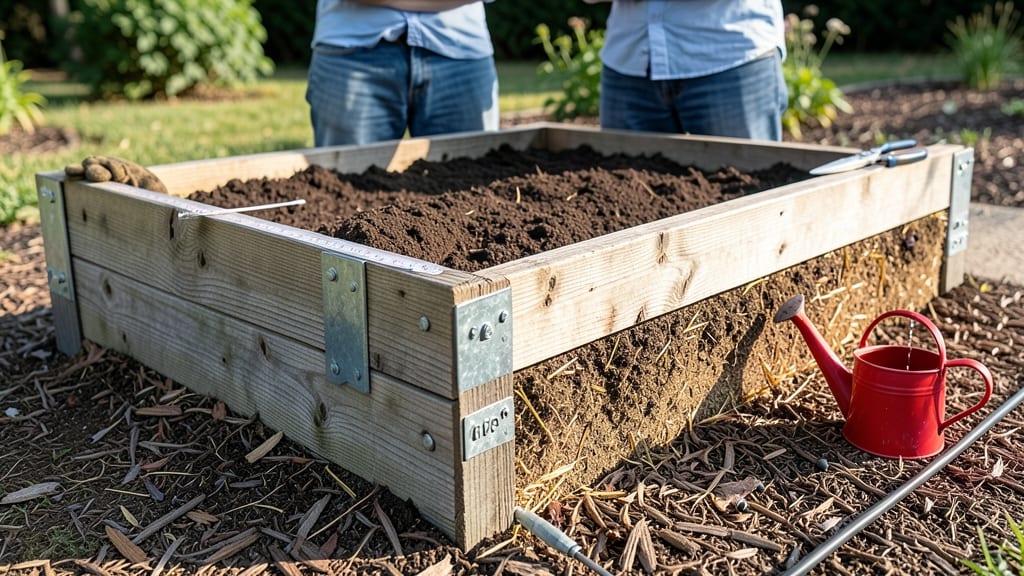
Choosing the right raised garden bed height is the foundation of a thriving 🌱 garden — it determines what grows, how well it drains, and even how easy it is to tend.
Struggling to decide how tall your raised garden bed should be? The right height isn’t just about aesthetics—it directly impacts root growth, drainage, and even what plants thrive in your space.
Too shallow, and you’re fighting for space with carrots and potatoes. Too tall, and you’re wasting materials while making weeding a backache. We’ll break down the ideal ranges for vegetables, herbs, and flowers, plus how to adjust for accessibility or drainage needs.
By the end, you’ll know exactly how deep your bed should be for maximum root space, better drainage, and a garden that works for your body and your plants.

Optimal raised garden bed height for plant roots and drainage
Choosing the right raised garden bed height is one of the most important decisions for your garden’s success. A bed that’s too shallow restricts root growth, while one that’s too deep wastes materials and can create drainage issues.
Most gardeners aim for 6–18 inches of soil depth, but the ideal height depends on what you’re growing and your specific climate conditions.
The minimum recommended depth for a productive raised bed is 6 inches, which works well for shallow-rooted plants like lettuce, herbs, and radishes. However, if you’re growing root crops like carrots or potatoes, you’ll need at least 12 inches of soil to accommodate their deeper roots.
For maximum versatility, 12–18 inches is the sweet spot for most vegetables and herbs.
One of the biggest advantages of a 12–18 inch bed is improved drainage efficiency. Deeper beds allow excess water to drain away from roots more effectively, reducing the risk of root rot and fungal diseases.
This is especially important in clay-heavy soils or regions with heavy rainfall. A gravel layer at the bottom can further enhance drainage in shallower beds.
Height also affects soil temperature. Deeper beds retain moisture and stay cooler in summer, which is ideal for heat-sensitive crops like lettuce. However, shallower beds (6–12 inches) warm up faster in spring, giving a head start to early plantings.
If you’re in a cold climate, a deeper bed can protect roots from frost heave.
For accessibility, taller beds (12–18 inches) reduce bending and are easier on the back. If you have mobility issues, consider wheelchair-accessible beds at 24–36 inches.
Just ensure the sides are sturdy enough to support the extra weight. Material choice also matters—cedar resists rot, while untreated wood may need replacement every 5–7 years.
When building, leave 1–2 inches of space at the top for mulch and watering. Fill the bottom third with compost or aged manure to improve fertility, then layer with native soil.
Avoid filling the entire bed with compost, as it can compact over time and reduce drainage. For container gardens, a minimum 12-inch depth is ideal for most vegetables.
If you’re retrofitting an existing bed, you can add height by stacking wooden frames or using brick or stone edging. Just ensure the new layers are secure and level. For container gardens, choose pots with drainage holes and a minimum 12-inch depth for optimal root development.
Remember, the best raised garden bed height balances your planting needs, drainage requirements, and ergonomic comfort. Start with a 12-inch bed for versatility, then adjust based on what you grow. With the right height, your garden will thrive year after year! 🌱
How raised garden bed height impacts plant selection and soil health
Choosing the right raised garden bed height isn’t just about aesthetics—it determines which plants thrive in your space and how healthy your soil stays. Shallow beds (6–12 inches) work for leafy greens like lettuce or herbs, while deep-rooted crops like carrots or potatoes need 12+ inches.
The height also affects soil fertility and how often you’ll need to replenish compost.
Deeper beds (18+ inches) retain moisture better, reducing watering frequency, but they also require more compost and nutrients to maintain fertility. Shallow beds dry out faster and may need mulching or frequent watering.
Your bed’s height even influences weed control—taller beds suppress weeds more effectively while keeping your back happy.
Plant roots are the biggest factor in bed height. For example, radishes (shallow roots) do fine in 6-inch beds, but asparagus (deep roots) needs at least 12–18 inches. Herbs like basil or thyme adapt to almost any height, but their flavor may suffer in cramped soil. Always match your bed’s depth to your plant’s root system.
| Plant Type | Min. Bed Height | Soil Needs | Height Notes |
|---|---|---|---|
| Leafy Greens (Lettuce, Spinach) | 6–8" | Loose, fertile | Shallow roots; avoid compaction |
| Herbs (Basil, Parsley) | 8–12" | Well-draining | Moderate depth; prune for bushiness |
| Root Crops (Carrots, Potatoes) | 12–18" | Deep, loose soil | Prevents forking; add sand if clay-heavy |
| Tall Plants (Tomatoes, Peppers) | td style="padding: 8px; border: 1px solid #7c86d4; text-align: center;">10–14"Rich, balanced | Stake or cage for support | |
| Perennials (Asparagus, Rhubarb) | 18+" | Long-term fertility | Divide every 3–4 years |
Soil health suffers in beds that are too shallow or too deep. A 6-inch bed may need annual compost top-ups to maintain nutrients, while a 12-inch bed can hold more organic matter, reducing the need for frequent amendments.
Overly deep beds (24+ inches) can become waterlogged, leading to root rot unless amended with perlite or sand for drainage.
For long-term maintenance, taller beds require more compost and mulch to prevent nutrient depletion. I recommend adding a 2–3 inch layer of compost annually to shallow beds and 4–6 inches to deeper ones.
Test your soil’s pH every 2–3 years—most vegetables prefer 6.0–7.0, while blueberries need 4.5–5.5.
If you’re planning a new raised bed, aim for 10–12 inches—it’s versatile for most plants and balances drainage, root space, and ergonomics.
For accessibility, add 2–4 inches of wood chips or pavers around the edges to create a stable working surface. Your plants—and your back—will thank you!