
Tools
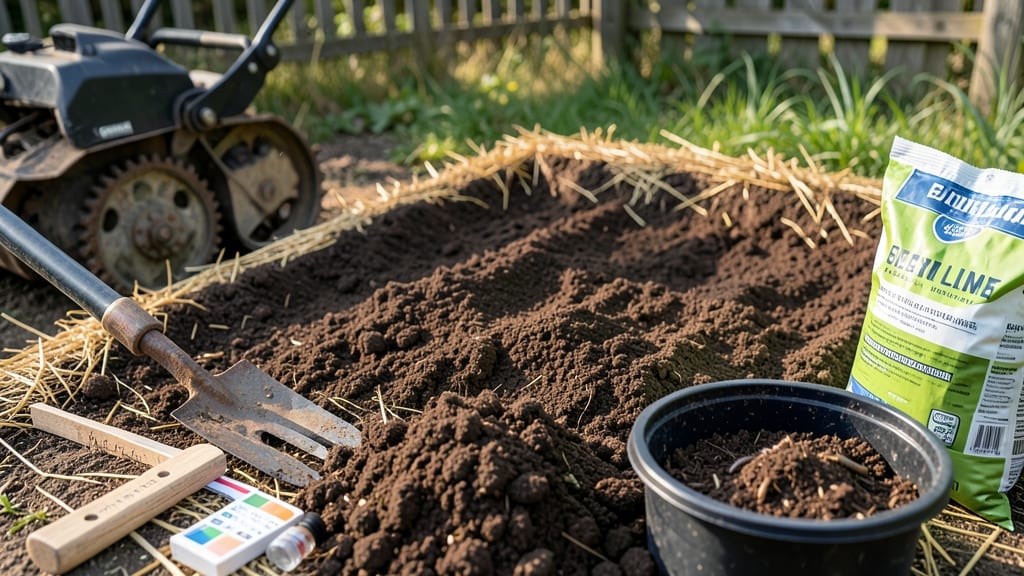
To prepare soil for a flower garden, you'll need to test pH levels, clear weeds, break up compacted earth, and mix in organic matter like compost or aged manure for better drainage and nutrients. Finish by aerating thoroughly and leveling the bed to encourage strong root systems and lush blooms.
Good soil prep isn't just about digging—it's about creating the perfect foundation for your flowers to thrive. 🌸 A well-aerated bed with the right pH (typically between 6.0 and 7.0) ensures nutrients are available when plants need them most.
I've found that adding compost not only feeds roots but also improves water retention, while a light layer of mulch helps lock in moisture and suppress weeds naturally. The key is balancing texture: clay-heavy soil benefits from sand or perlite, while sandy soil needs organic matter to hold moisture.
Timing matters too—spring and fall are ideal for major soil work, giving roots time to establish before extreme temperatures. A garden fork or tiller makes the job easier, but hand-weeding is worth the effort to avoid disturbing future plantings.
The goal is to mimic nature's loose, nutrient-rich topsoil where flowers naturally flourish.
💡 In This Article
- Key Soil Tests and Amendments for Flower Gardens
- Step-by-Step Soil Prep Tools and Techniques
Key soil tests and amendments for flower gardens
Soil pH is the foundation of flower health—most blooms thrive in a slightly acidic to neutral range of 6.0 to 7.0. You can test pH with a simple home test kit (costing around $10) or send a sample to a local extension service for precise results.
The test reveals whether your soil leans too acidic (like 4.5 or below, common in pine forests) or alkaline (above 7.5, often found in arid regions).
For example, azaleas and hydrangeas love acidic soil, while roses and lavender prefer neutral pH. Adjustments are straightforward: add lime to raise pH or sulfur to lower it, but do this 2-3 months before planting to avoid root burn.
Organic matter content transforms soil structure—aim for 5% or higher organic material. A quick field test involves squeezing a handful of moist soil: if it crumbles easily, it's well-amended; if it forms a hard clump, it needs compost.
Peat moss improves drainage in heavy clay, while coconut coir adds moisture retention in sandy soils. For nutrient-dense blooms, mix in 2-3 inches of compost or well-aged manure (like cow or horse) into the top 6-12 inches of soil.
This mimics natural forest litter, which releases nutrients slowly over time. 🌱
Drainage is equally critical—waterlogged roots suffocate, while poorly draining soil traps nutrients beyond plant reach. Test drainage by digging a 12-inch hole, filling it with water, and timing how long it takes to drain.
If it takes longer than 4 hours, amend with sand or perlite (20-30% of the soil volume). For sandy soil that drains too quickly, add composted leaves or peat moss to hold moisture.
The goal is a loamy texture—think of it as nature's Goldilocks: not too dense, not too loose.
Specialty flowers demand tailored amendments. For example, blue hydrangeas need acidic soil (pH 5.0-5.5) with pine bark fines, while calcium-loving dahlias benefit from crushed eggshells or gypsum. Always mix amendments into the top 6-8 inches of soil where most roots grow.
A broadfork (a digging tool with tines) aerates deeply without turning over subsoil, preserving soil structure while improving oxygen flow to roots.
Seasonal timing matters too. Spring prep focuses on removing winter weeds and top-dressing with compost, while fall is ideal for deeper amendments since roots grow actively in cool weather. Mulching with 2-3 inches of wood chips or straw after planting locks in moisture and regulates temperature—critical for delicate seedlings.
The science is simple: healthy soil = happy flowers, and happy flowers = vibrant gardens that attract pollinators year-round. 🌸
Pro tip: Save time by testing soil in multiple spots—your yard may have microclimates with different pH levels. For instance, a south-facing bed might dry out faster than a north-facing one, requiring different moisture-retention strategies.
Always work the soil when it's 60-70% moisture (squeeze a handful—it should hold shape but not be sticky). This balance ensures amendments integrate smoothly without clumping.