
Light Requirements
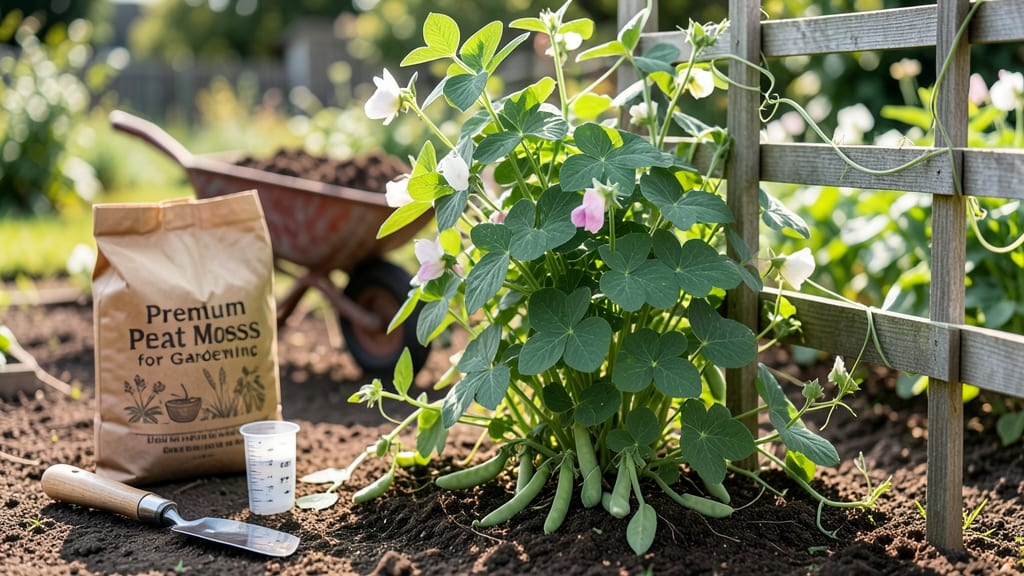
To determine how much peat moss to add to garden soil, start with a 1:3 peat moss to soil ratio for most plants, but use 1:2 for sandy soils and 1:4 for heavy clay to balance drainage and moisture retention. Always adjust based on your specific soil type and the plants you're growing.
Peat moss improves soil structure by adding organic matter and acidity, but the right amount depends on your garden's needs. 🌱 For acid-loving plants like azaleas or blueberries, you'll want to increase the peat moss ratio to 1:1 or even 2:1 to lower soil pH, while vegetables and lawns typically do well with the standard 1:3 or 1:4 mix.
The key is testing your soil first—most garden centers offer pH kits for under $10, and a simple squeeze test can reveal whether your soil is sandy or clay-heavy.
What many gardeners overlook is that peat moss breaks down over time, so it's best to mix it into the top 6-8 inches of soil rather than spreading it on top. This ensures long-term benefits without creating a compacted layer.
For heavy clay soils, I recommend working in 2-3 inches of peat moss per square foot and mixing it thoroughly with a garden fork to prevent waterlogging.
💡 In This Article
- Peat Moss Soil Amendments by Plant Type
- Adjusting Peat Moss Ratios for Sandy vs Clay Soil
Peat moss soil amendments by plant type
Peat moss works as a soil amendment because it lowers pH while adding organic matter that improves water retention and aeration.
Acid-loving plants like blueberries, azaleas, and rhododendrons thrive with 1:1 or 2:1 peat moss to soil ratios—this creates an ideal 4.5-5.5 pH range for these species. 🌿 The reason? Peat moss has a natural pH of around 3.3-4.5, which dramatically shifts alkaline soils toward acidity.
For example, a 1:1 mix in a neutral soil (pH 7) can drop the pH by 1.5-2 points within weeks.
Vegetables and herbs typically prefer slightly acidic to neutral soil (pH 6.0-7.0), so a 1:3 ratio is standard here. Leafy greens like spinach and kale benefit from this balance because it provides enough organic matter without over-acidifying the root zone.
Lawn grasses, which prefer 6.0-7.5 pH, usually only need 1:5 peat moss to soil—just enough to improve drainage without altering pH significantly.
The key is testing your soil first; a simple $10 pH test kit from a garden center reveals whether your plants need more or less peat moss.
What most gardeners miss is that peat moss breaks down 10-20% annually, so its effects diminish over time. For long-term acidity, mix in 2-3 inches of peat moss per square foot and top-dress with 1 inch of compost annually to maintain structure.
The breakdown also releases nutrients gradually, but it won’t replace fertilizer—think of it as a slow-release pH buffer rather than a complete nutrient source.
For container gardens, the ratios shift slightly due to limited space. A 1:2 peat moss to potting mix works well for acid-loving plants in pots, while 1:4 suits vegetables. The difference? Containers dry out faster, so peat moss helps retain moisture while preventing compaction.
Just be sure to use sphagnum peat moss (not reed sedge), as it has finer particles that blend better in small volumes.
One common mistake is over-amending with peat moss, which can create a waterlogged, anaerobic environment. If your soil feels soggy after watering or develops a musty smell, you’ve likely added too much.
In this case, mix in coarse sand or perlite (1:1 with peat moss) to restore drainage. The goal is 40-50% porosity—enough air pockets for roots to breathe while retaining moisture.