
Planting
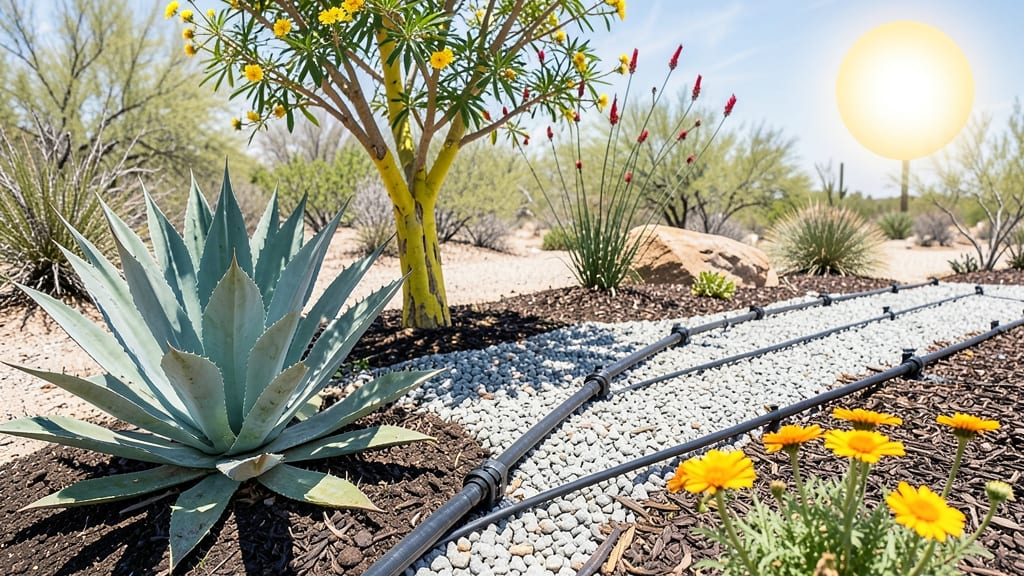
Phoenix gardening thrives in USDA Hardiness Zones 9b-10a, offering frost-free growing seasons that let you plant almost year-round, though summer heat requires careful crop selection. Freezes are rare but possible between December and February, with last frost dates typically around mid-February.
Phoenix's desert climate creates a gardening paradise for heat-loving plants like bougainvillea, citrus, and succulents, but it demands smart planning. 🔥 The extended growing season means you can sow cool-season crops like lettuce in fall and spring, while summer heat limits options to shade-tolerant varieties.
Microclimates near mountains or water features can shift frost dates by weeks, so always check local weather patterns before planting frost-sensitive species.
For vegetables, early spring and fall are ideal windows for planting heat-sensitive crops like tomatoes and peppers, while summer months work best for melons and okra that thrive in the desert's intense sun. The key is matching plant needs to Phoenix's temperature extremes—cool mornings, scorching afternoons, and minimal rainfall.
💡 In This Article
- Phoenix’s Unique Climate and Its Impact on Planting Zones
- Monthly Phoenix Planting Calendar: What to Sow When
Phoenix’s unique climate and its impact on planting zones
Phoenix’s classification as USDA Hardiness Zones 9b-10a stems from its extreme temperature swings—scorching summers where thermometers routinely hit 110°F+ and rare but possible winter frosts dipping to 25°F.
The desert’s low humidity and intense sun create microclimates where urban areas stay warmer than rural zones, shifting frost risk by 1-2 weeks. This means plants in downtown Phoenix may survive 5-10°F colder than those in outlying areas like Gilbert or Mesa.
The real game-changer is the frost-free period, which stretches 280-300 days annually—far longer than most U.S. cities. While official last frost dates hover around mid-February, light freezes can still occur in January or March, catching off-guard gardeners.
Summer heat, however, is the bigger challenge: 100°F+ soil temperatures can cook tender seedlings in minutes, requiring shade cloth or drip irrigation to maintain moisture.
This climate favors drought-tolerant natives like palo verde trees and desert marigolds, which thrive with minimal water. But even heat-lovers need protection—mulching with 2-3 inches of organic material can reduce soil temp by 10-15°F, while drip irrigation at dawn prevents leaf scorch.
The key is matching plant hardiness to Phoenix’s zone 10a’s upper limit (30°F)—anything below risks damage during rare cold snaps.
Microclimates near the White Mountains or along the Salt River can create zone 8a pockets, where frost dates shift by weeks. Urban heat islands (like downtown Phoenix) may push zones to 10b, while higher elevations near Carefree drop into 9a.
Always verify local frost data from sources like the National Weather Service’s Phoenix office—their records show 2023’s last frost occurred March 12, defying the "mid-February" rule.
For gardeners, this means strategic planting: Cool-season crops like broccoli thrive in October-February, while summer squash needs June-August’s heat to ripen. Succulents and cacti, however, can handle year-round exposure, making them Phoenix’s ultimate low-maintenance stars.
The desert’s low humidity (10-20%) also means fungal diseases are rare—just watch for aphids and whiteflies, which flourish in the heat.
Pro tip: Use shade cloth (30-50%) for seedlings in summer and row covers for frost-sensitive plants like citrus in winter. Phoenix’s climate rewards adaptability—once you master these adjustments, your garden can flourish 365 days a year. 🌵