
Pests
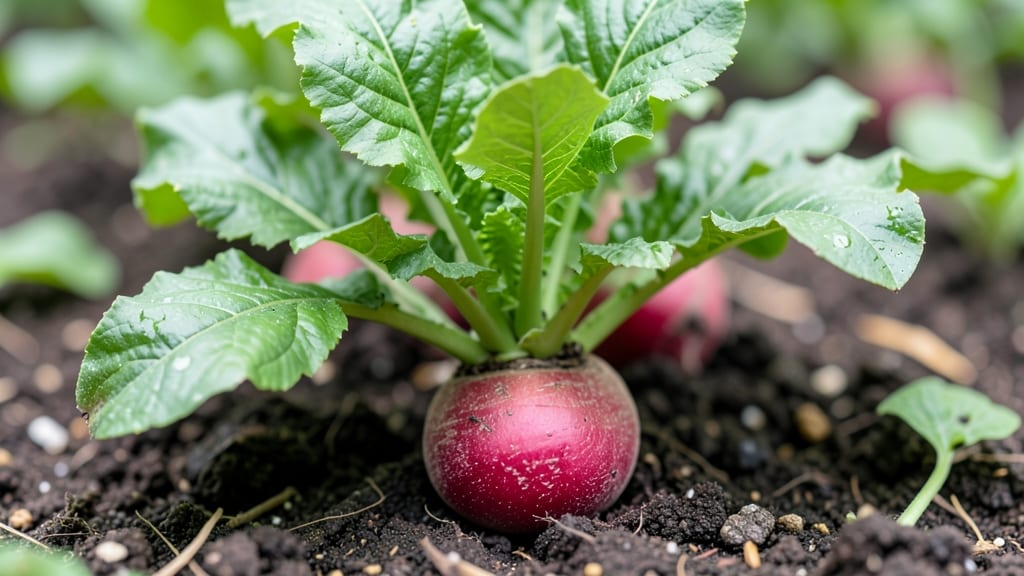
Mr. McGregor's garden in Peter Rabbit serves as a classic example of how unprotected crops attract pests like rabbits, demonstrating why physical barriers, strategic planting, and organic deterrents are essential for garden defense.
Mr. McGregor's garden isn't just a children's story—it's a masterclass in why pests target vulnerable plants. 🌱 Rabbits like Peter exploit tender young shoots and unguarded rows, just as real burrowing animals seek easy access to fresh greens. The tale highlights how timing matters: new growth in spring becomes a feast when no defenses exist. What's fascinating is how modern organic gardeners use the same principles—raised beds mimic Mr. McGregor's elevated crops, while companion planting with strong-smelling herbs acts as nature's repellent. The story's enduring lesson? Prevention through smart design works just as well today as it did in Beatrix Potter's time.
This approach goes beyond scare tactics. 🐇 Physical barriers like chicken wire or fencing create the same protection Mr. McGregor's walls provided, while organic sprays made from hot peppers or garlic replicate the natural deterrents rabbits instinctively avoid.
The key difference? Today's gardeners have science-backed plant varieties that rabbits find less appealing, giving us more tools than ever to keep our gardens safe without chemicals.
💡 In This Article
- How Mr. McGregor’s Garden Reflects Real Pest Control Strategies
- Creating a Rabbit-Resistant Garden Like Mr. McGregor’s
How Mr. McGregor’s garden reflects real pest control strategies
Peter Rabbit's raids on Mr. McGregor's garden reveal critical ecological patterns that still apply today.
Rabbits target tender new growth—typically 2-4 inches tall—because young plants have thinner cell walls and less defensive compounds like tannins. 🌱 This explains why gardeners see the most damage in spring when seedlings emerge.
The story's vivid descriptions of Peter nibbling "just the tops" mirror real-world behavior where rabbits take 1-2 bites per plant before moving on, leaving behind a jagged, uneven damage pattern that's instantly recognizable to gardeners.
Timing is everything in both the tale and real pest control. Mr. McGregor's garden suffers most when crops are vulnerable—right after planting or during rapid growth phases.
Modern organic gardeners use this knowledge by staggering plantings so no single crop reaches peak susceptibility at once. 🐇 For example, planting lettuce in successive batches every 2 weeks ensures some heads mature while others remain too small for rabbits.
The story also highlights how rabbits exploit open garden layouts—Mr. McGregor's unguarded rows make it easy for Peter to access plants from multiple directions, just like how burrowing pests like voles target gardens with loose soil and minimal ground cover.
What makes Mr. McGregor's garden particularly instructive is how it demonstrates the three-layer defense system that works in real organic pest control: physical barriers, plant selection, and natural deterrents.
The garden's walls act like modern chicken wire fencing (installed 12-18 inches deep to prevent digging), while Mr. McGregor's strict planting schedule mirrors today's crop rotation techniques.
Even the story's mention of Peter avoiding certain plants foreshadows modern companion planting—where strong-smelling herbs like rosemary or thyme (which contain 0.5-1.5% essential oils) naturally repel rabbits by masking plant odors that attract them.
The tale's most valuable lesson comes from Mr. McGregor's observational skills—he notices patterns in Peter's behavior (always coming at dusk, avoiding certain areas) that modern gardeners replicate through trail cameras and motion-activated sprinklers.
These tools reveal similar timing preferences: rabbits are most active during dawn and dusk (crepuscular behavior) and avoid areas with predator scents like fox urine or coyote hair. 🌙 The story's enduring relevance lies in how it shows that effective pest control starts with understanding the animal's instincts—something both Mr. McGregor and today's organic gardeners master through careful observation and strategic planning.
One often-overlooked detail from the story is how Mr. McGregor's garden suffers most when he's not actively tending it—a principle that applies to modern gardens too. Regular harvesting (even if just picking a few leaves) prevents plants from reaching the 4-6 inch height that rabbits find most appealing.
This "constant disturbance" technique works because it keeps plants below the optimal browsing height that rabbits instinctively target. The same logic applies to flowers: rabbits rarely eat fully bloomed plants because their stems become too woody, but they'll happily munch on budding roses at 6-8 inches tall.
What most people don't realize is how the story's visual cues translate directly to modern garden design. Mr. McGregor's neatly trimmed rows create clear paths for rabbits to access plants—just like how modern gardeners accidentally create rabbit highways with straight mulch borders.
The solution? Curved planting beds with 3-4 foot radii that force rabbits to expose themselves to predators or deterrents.
This design principle comes from wildlife studies showing that rabbits prefer straight-line movements through gardens because it's their natural foraging pattern in open fields. 🦌 By breaking up straight lines with ornamental grasses or shrubs, gardeners can create natural barriers that rabbits instinctively avoid.